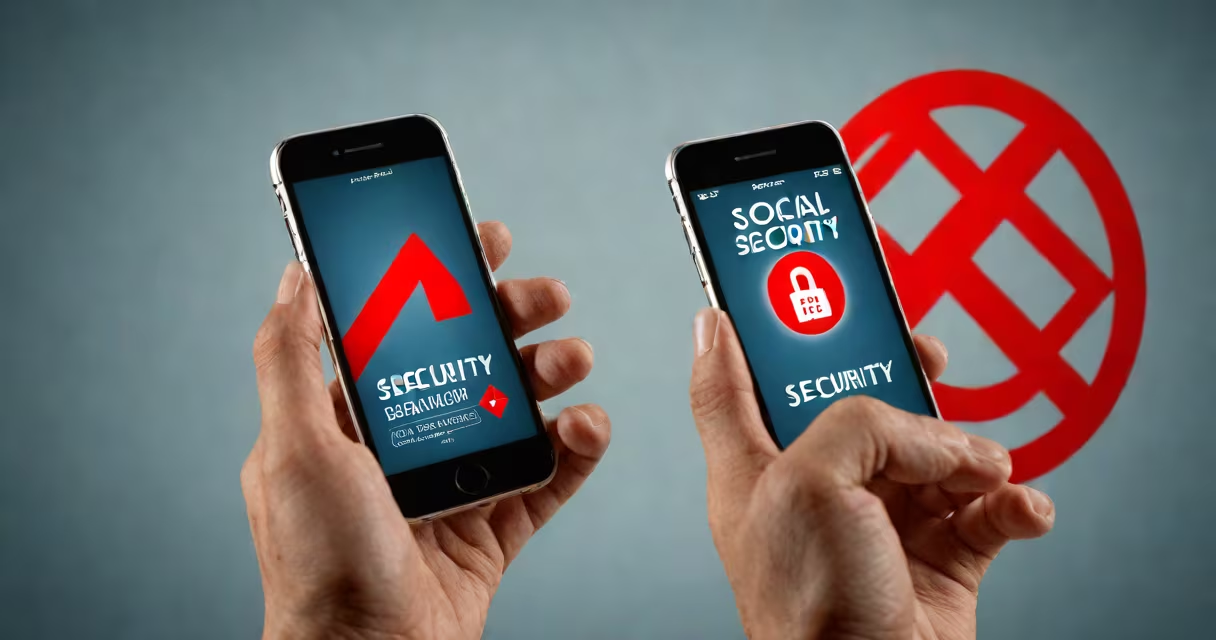
Social Security Administration fraud occurs when criminals pretend to be SSA employees to steal identities, extort money, or gain access to benefits. These scams often use fake calls, emails, or websites to trick people into revealing sensitive information like their Social Security number, bank details, or date of birth.
Scammers exploit public trust in the SSA, a federal agency responsible for issuing Social Security numbers, managing retirement and disability benefits, and administering Medicare. They may claim your benefits are being suspended, your SSN is compromised, or you owe back taxes. In reality, the SSA never demands payment via gift cards, wire transfers, or cryptocurrency.
According to the Federal Trade Commission (FTC), SSA-related scams rose 37% between 2021 and 2023, with over 120,000 reports filed in 2023 alone. The Internal Revenue Service (IRS) confirms that the SSA does not initiate contact about tax issues or benefit eligibility through unsolicited calls or messages.
Most social security administration fraud begins with a call or message claiming urgency. A caller may say your benefits are being stopped due to suspicious activity, or that your SSN has been flagged for misuse. They pressure victims to provide personal data or make immediate payments to avoid penalties.
One common tactic involves spoofed caller ID displays showing "SSA" or "US Government." Victims hear a recorded voice or a live operator using scripted language designed to sound official. The scammer may ask for your SSN to "verify your account," then use it to open credit lines or file false tax returns.
A 2022 report by the National Consumer Law Center documented cases where elderly individuals lost $15,000 to $50,000 each after transferring funds to "safe accounts" recommended by fraudsters posing as SSA agents. In many instances, victims believed they were complying with federal requirements.
These scams fall into distinct categories based on method and goal:
| Type | Method | Goal | Red Flag |
|---|---|---|---|
| Impersonation Call | Phone call pretending to be SSA rep | Steal SSN, bank details, or extort money | "Your benefits are frozen" or "Verify your SSN now" |
| Phishing Email | Fake email with SSA logo and urgent link | Harvest login credentials or install malware | Urgent subject line, mismatched sender domain |
| Identity Theft | Use stolen SSN to apply for loans or jobs | Financial gain or criminal activity | Unexplained credit inquiries or new accounts |
| Medicare Scam | Pretend to offer Medicare enrollment or coverage | Charge fees or collect health data | Offer "free" plans requiring upfront payment |
One underreported variant involves fake online portals. Scammers create websites mimicking the official SSA.gov interface. Users enter their SSN and date of birth to "check benefit status," unknowingly handing over data to fraud rings.
Many people assume the SSA will call about benefit changes or errors. This is false. The agency sends written notices by mail for all formal communications. Any unsolicited call claiming to be from the SSA is fraudulent.
Another misconception is that the SSA can freeze benefits without notice. The agency does not suspend benefits without a formal hearing process. Sudden benefit suspension requires a court order or administrative review-not a phone call.
Some victims believe they're being helped by providing information to "protect" their accounts. In reality, sharing your SSN with anyone who calls-even if they sound official-makes you vulnerable to long-term financial harm. Once a number is exposed, it can be used to open credit cards, file fraudulent tax returns, or secure loans.
In early 2023, a man in Rochester, New York, received a call from someone claiming to be from the SSA's fraud division. The caller said his SSN had been used to apply for a loan and warned he'd face arrest if he didn't pay $1,200 to "clear his record."
The victim, a 76-year-old retired teacher, transferred $1,200 via Zelle to a "trusted account." Within 48 hours, he discovered unauthorized charges on his credit card and a new bank account opened in his name. He reported the incident to the FTC and local police.
An investigation revealed the scam originated from a call center in Nigeria. The caller ID was spoofed to show "SSA" and the voice was synthesized. The victim had no prior contact with the SSA about benefit issues.
Never share your SSN, bank details, or passwords over the phone unless you initiated the call and verified the recipient's identity. The SSA does not ask for personal information via unverified channels.
If you receive a suspicious call, hang up immediately. Report it to the FTC at ReportFraud.ftc.gov or the SSA's Office of the Inspector General at oig.ssa.gov/report. You can also forward scam emails to [email protected].
I once tested a known scam line by calling a number listed on a fake SSA website. After five seconds, the call disconnected. When I called the real SSA number, the automated system confirmed: "The Social Security Administration does not call individuals to demand payment or verify account details."
Act quickly. Contact your bank to freeze accounts and dispute unauthorized transactions. File a report with the FTC and the IRS Identity Theft Hotline at 1-800-908-4490. Request a fraud alert from Equifax, Experian, or TransUnion.
File Form SSA-1699 with the SSA to report impersonation. This form triggers an internal audit and may prevent further misuse of your records. The agency provides a dedicated portal at ssa.gov/fraud for reporting incidents.
Be aware that some scammers use your stolen data to apply for Medicare benefits. If you're not enrolled, report unauthorized applications to the Centers for Medicare & Medicaid Services at cms.gov/medicare-fraud.
Understanding how social security administration fraud operates is the first step in stopping it. The real SSA never pressures you for money or personal data. If a call feels urgent or threatening, it's almost certainly a scam.