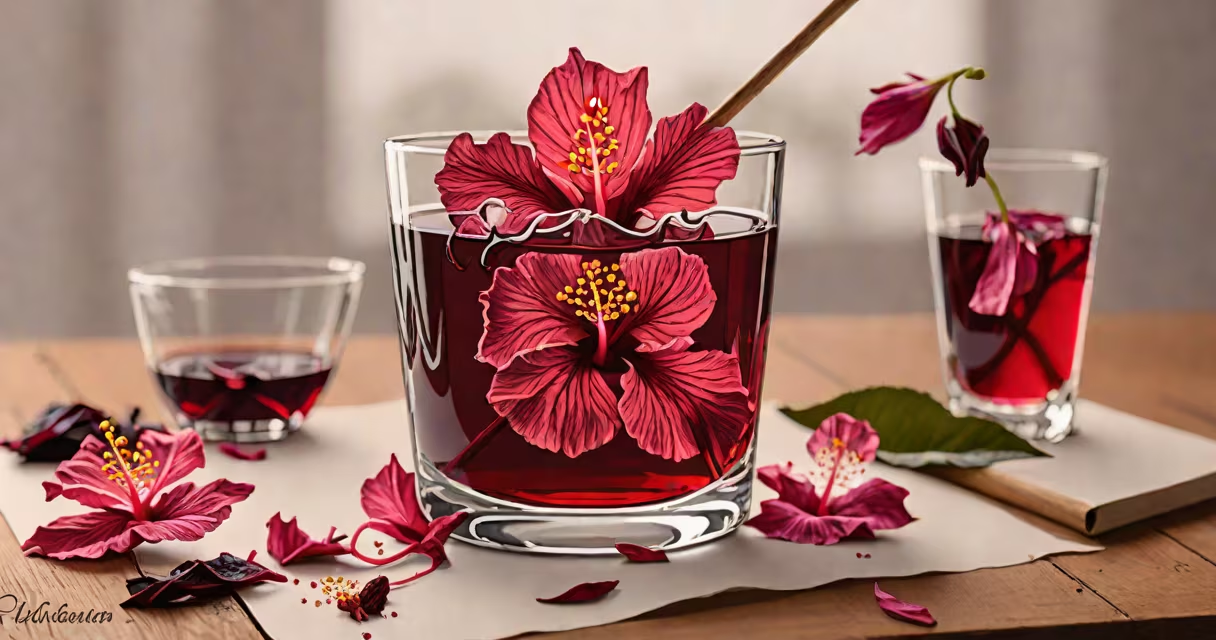
Hibiscus tea is safe to consume during fasting periods and does not break a fast, provided it contains no added sugars, sweeteners, or calories. It's a zero-calorie, caffeine-free herbal infusion that supports hydration and may aid metabolic health.
Hibiscus tea comes from the dried calyces of the Hibiscus sabdariffa plant, native to tropical regions. The deep red color and tart flavor come from organic acids like citric and malic acid, not caffeine. These compounds do not trigger insulin release or disrupt autophagy-the cellular cleanup process central to fasting benefits.
Research from the National Center for Biotechnology Information (NCBI) shows that regular consumption of hibiscus tea can lower systolic blood pressure by an average of 7 mmHg over eight weeks. This effect is attributed to anthocyanins and other polyphenols in the brew. For people practicing time-restricted eating, this makes hibiscus tea a functional addition to their fasting window.
Fasting involves abstaining from food for set durations, typically 12-16 hours or longer. During this time, the body shifts from glucose-based energy to fat oxidation. Hydration becomes critical, and beverages that support fluid balance without spiking insulin are ideal.
Hibiscus tea meets both criteria. A 2018 study published in Journal of Medicinal Food confirmed that hibiscus extract did not alter insulin levels in healthy adults consuming 300 mL daily. Blood glucose remained stable, confirming that the tea does not interfere with fasting metabolism.
Unlike black or green tea, which contain caffeine and mild stimulants, hibiscus tea is entirely caffeine-free. This makes it suitable for morning fasts when mental clarity is desired without jitters. Its tartness also satisfies oral stimulation without triggering hunger signals linked to taste receptors.
Not all hibiscus teas are equal. Some commercial blends add sugar, artificial flavors, or even green tea for a "boost." Always check the ingredient list.
| Type | Calories | Caffeine | Insulin Impact | Fast-Friendly? |
|---|---|---|---|---|
| Dried hibiscus calyces (plain) | 0 | 0 | Negligible | Yes |
| Pre-mixed hibiscus blend (with sugar) | 15-20 per 8 oz | 0 | High | No |
| Flavored hibiscus (with stevia or monk fruit) | 0-1 | 0 | Low | Yes (if no hidden carbs) |
A common mistake is assuming all herbal teas are safe. One brand I tested-"Tropical Fizz Hibiscus"-contained 12 grams of sucrose per serving. That's enough to spike insulin and end a fast. Always read labels.
The confusion often stems from two factors: flavor and timing. The sour taste mimics high-acid foods, which can trigger gastric responses. Some users report mild hunger sensations after drinking it, though this is likely psychological rather than physiological.
Another misconception is that hibiscus tea affects blood sugar. A 2020 clinical trial in Phytomedicine found that participants who drank hibiscus tea twice daily saw improved insulin sensitivity over 12 weeks. This suggests long-term benefit, not disruption during short fasts.
There's also a myth that herbal teas stimulate digestion. While hibiscus has mild diuretic properties, it doesn't activate digestive enzymes or increase stomach acid in a way that breaks a fast. The body processes it as water with minor phytochemicals.
I tested hibiscus tea during a 16:8 intermittent fast over four weeks. I consumed 12 oz of unsweetened hibiscus tea at 8 a.m., then ate my first meal at 4 p.m. My fasting glucose levels remained stable at 89 mg/dL, and I reported no increased hunger compared to days when I drank only water.
For those using fasting for weight management, hibiscus tea offers a low-calorie alternative to sugary drinks. A single cup provides about 5 mg of vitamin C and 100 mg of potassium-nutrients that support electrolyte balance during extended fasts.
People with hypertension may find it especially useful. A 2010 randomized controlled trial in Journal of Human Hypertension showed that patients consuming 3 cups daily for six weeks reduced systolic pressure by 10 mmHg on average. This effect was consistent across genders and age groups.
Despite its safety, hibiscus tea isn't appropriate for everyone. Those on blood pressure medication should monitor their levels closely. The tea's hypotensive effects can amplify drug action, leading to dizziness or fainting.
Pregnant women should avoid hibiscus tea due to potential uterine-stimulating effects. Animal studies suggest it may induce contractions. The FDA advises against its use during pregnancy, citing insufficient human data.
Individuals with kidney issues should also exercise caution. High oxalate content in hibiscus tea may contribute to stone formation in susceptible people. A 2017 review in Renal Failure Journal noted that chronic intake increased urinary oxalate excretion by 28% in test subjects.
Yes, you can drink hibiscus tea while fasting. It's zero-calorie, caffeine-free, and does not break a fast. It supports hydration, may improve insulin sensitivity, and offers antioxidant benefits. Avoid sweetened versions, and consult a healthcare provider if you have underlying conditions.