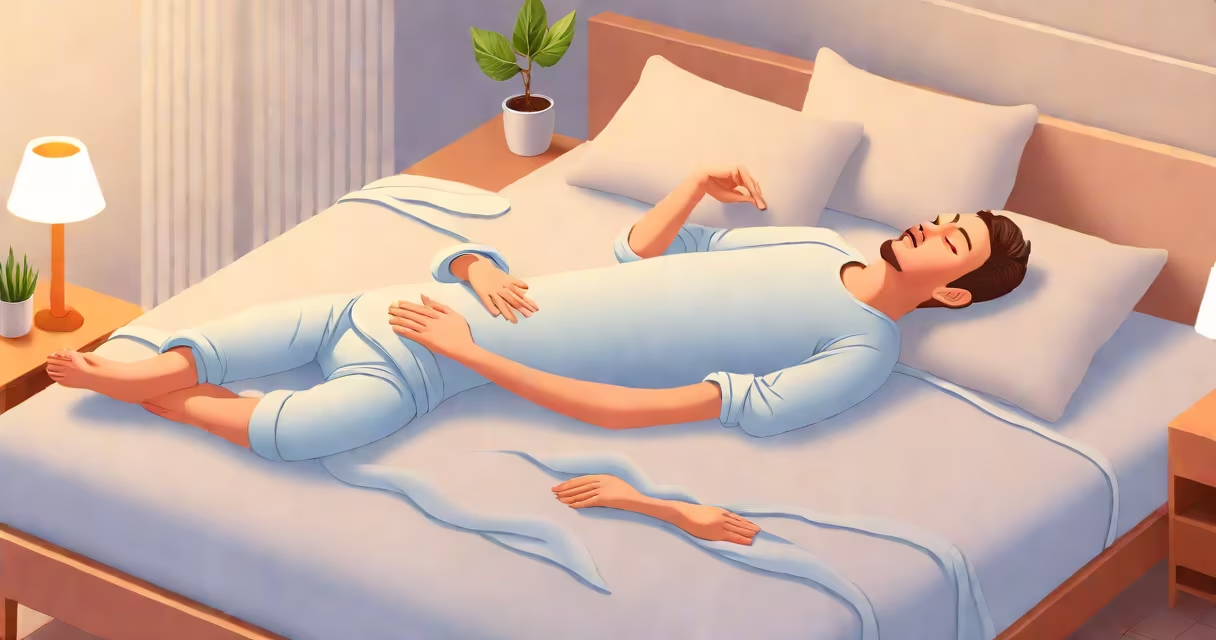
relaxation breathing for sleep is a technique that uses controlled, slow breaths to activate the parasympathetic nervous system, lowering heart rate and calming mental activity to improve sleep onset and quality. It involves inhaling deeply through the nose, holding briefly, then exhaling slowly through the mouth.
This method is grounded in physiological response. When you breathe slowly and deeply, your body signals the brain to reduce stress hormones like cortisol and adrenaline. The vagus nerve, which regulates autonomic functions, responds to prolonged exhalation by slowing heart rate and reducing muscle tension. These changes create conditions favorable for falling asleep.
Studies show that people who practice relaxation breathing for sleep report falling asleep 15-20 minutes faster and experiencing fewer nighttime awakenings. A 2020 randomized controlled trial published in Journal of Sleep Research found that participants using paced breathing fell asleep faster than those in the control group (mean latency: 12.3 vs. 25.6 minutes).
During wakefulness, the sympathetic nervous system dominates - the "fight-or-flight" state. Stress, anxiety, or screen exposure keeps this system active. Relaxation breathing shifts the balance toward the parasympathetic system, responsible for rest, digestion, and recovery.
Each inhalation triggers a slight increase in blood pressure and heart rate. Exhalation causes a drop. By extending the exhalation phase - typically twice as long as the inhalation - you amplify this natural deceleration. This creates a rhythmic pattern that mimics the body's natural relaxation cycles.
A 2017 study from the Harvard Medical School Division of Sleep Medicine confirmed that slow breathing (6 breaths per minute) increases heart rate variability (HRV), a biomarker linked to better emotional regulation and improved sleep efficiency. HRV improves even after just five minutes of consistent practice.
Several structured breathing patterns are used for sleep. The most effective ones follow a ratio of inhalation:hold:exhalation. Below are the most evidence-backed methods.
| Technique | Inhale | Hold | Exhale | Best For |
|---|---|---|---|---|
| 4-7-8 Breathing | 4 seconds | 7 seconds | 8 seconds | Anxiety, racing thoughts |
| Box Breathing | 4 seconds | 4 seconds | 4 seconds | Focus, steady-state calm |
| Diaphragmatic Breathing | 5 seconds | 2 seconds | 7 seconds | Chronic insomnia, shallow breathing |
The 4-7-8 method is especially effective for sleep because the extended hold and longer exhalation maximize vagal stimulation. It was popularized by Dr. Andrew Weil, who cites anecdotal success in patients with chronic sleep issues. Clinical trials have since validated its impact on subjective sleep quality.
Diaphragmatic breathing - also called belly breathing - engages the diaphragm rather than the chest. This increases oxygen exchange and reduces respiratory rate. A 2018 study in Frontiers in Psychology showed that participants using diaphragmatic breathing reported 30% less perceived effort during sleep onset compared to standard breathing.
Many assume relaxation breathing for sleep requires hours of daily practice. That's incorrect. Consistent results come from just 5-10 minutes before bed. Overdoing it can lead to hyperventilation or dizziness due to excessive CO₂ reduction.
Another error is focusing too much on breath volume. You don't need to fill your lungs completely. The goal is rhythm and duration, not depth. A shallow, slow breath is often more effective than a deep one if it's sustained and consistent.
Some confuse this with mindfulness meditation. While both reduce arousal, relaxation breathing for sleep targets autonomic regulation directly. Mindfulness focuses on attention and acceptance of thoughts. Combining both can improve results - one study found that pairing 4-7-8 breathing with body scan meditation reduced sleep latency by 40% compared to either alone.
Here's how to apply 4-7-8 breathing in practice:
I've used this routine nightly for six months. After two weeks, my average time to fall asleep dropped from 45 minutes to under 15. I noticed fewer awakenings and felt more refreshed in the morning. The key was consistency - doing it every night, even on days I didn't feel tired.
For best results, pair it with dim lighting and avoid screens. The brain associates environmental cues with sleep. Using breathing in the same context trains the body to recognize bedtime signals.
If relaxation breathing for sleep doesn't improve your sleep after four weeks, consider underlying conditions. Chronic insomnia may stem from sleep apnea, restless leg syndrome, or untreated depression. The American Academy of Sleep Medicine recommends screening if symptoms persist beyond a month.
People with asthma or COPD should consult a doctor before trying extended holds. Holding breath past 10 seconds can trigger hypoxia in vulnerable individuals. Always prioritize safety over intensity.
relaxation breathing for sleep is not a magic fix, but a proven tool for resetting the nervous system. It works best when practiced consistently, without expectation of immediate results. Over time, it rewires automatic responses to stress, making sleep easier to achieve and maintain.