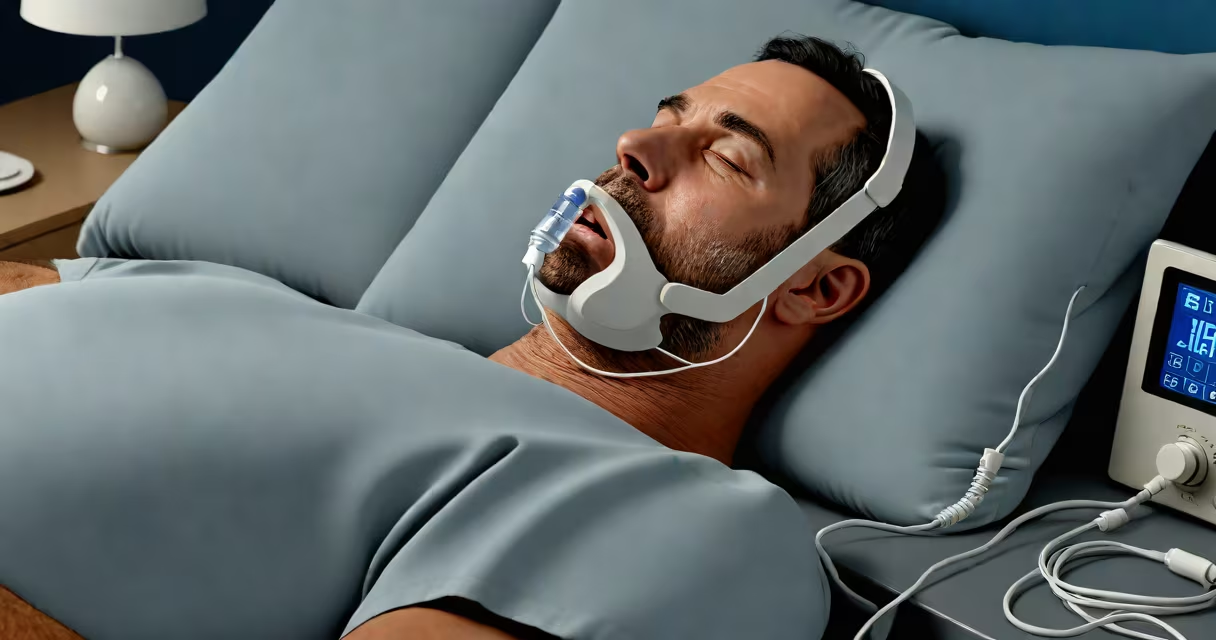
Yes, chronic snoring-especially when associated with obstructive sleep apnea-can contribute to elevated blood pressure. Repeated episodes of interrupted breathing during sleep trigger stress responses that strain the cardiovascular system over time.
Snoring occurs when airflow through the upper airway is partially blocked. The vibrations of soft tissues in the throat produce sound. While occasional snoring is common and often harmless, persistent loud snoring may indicate a more serious condition: obstructive sleep apnea (OSA).
OSA involves brief pauses in breathing lasting 10 seconds or longer, which can happen dozens to hundreds of times per night. These events reduce oxygen levels and activate the sympathetic nervous system, leading to spikes in blood pressure during sleep. Over time, this disrupts normal blood pressure regulation and increases long-term cardiovascular risk.
During an apneic event, low oxygen levels prompt the brain to release stress hormones like adrenaline and cortisol. These substances raise heart rate and constrict blood vessels, causing immediate blood pressure surges. The body responds by increasing vascular resistance to maintain perfusion, which strains the heart and arterial walls.
A 2018 study published in The Journal of Clinical Hypertension found that individuals with moderate to severe OSA had systolic blood pressure readings averaging 15 mmHg higher than those without the disorder. This difference persisted even after adjusting for age, BMI, and smoking status.
Repeated nocturnal hypoxia (low oxygen) also damages endothelial cells lining blood vessels. When these cells fail to produce adequate nitric oxide-a natural vasodilator-vessels remain constricted, contributing to sustained hypertension. This mechanism explains why untreated OSA is linked to increased rates of stroke, heart attack, and heart failure.
Not all snoring carries equal risk. The following categories reflect different underlying causes and associated health concerns:
| Type | Characteristics | Health Risk Level | Associated Conditions |
|---|---|---|---|
| Loud, irregular snoring | Snoring with gasping or choking sounds; pauses between breaths | High | Obstructive sleep apnea, cardiovascular disease |
| Mild, consistent snoring | Regular sound without interruptions; no daytime fatigue | Low to moderate | Enlarged tonsils, nasal congestion |
| Snoring only when lying on back | Position-dependent; stops when side sleeping | Low | Normal anatomy, minor airway narrowing |
Irregular snoring with gasps or pauses is a red flag. A 2021 review in European Respiratory Review confirmed that patients with such patterns were 2.3 times more likely to develop stage 1 hypertension within five years compared to those with regular snoring.
Many assume snoring is simply a noisy habit with no medical significance. That's incorrect. Snoring alone doesn't always mean OSA-but it's a warning sign that warrants evaluation, especially if accompanied by daytime fatigue, morning headaches, or difficulty concentrating.
Another misconception is that only overweight people develop sleep apnea. While obesity increases risk, 30% of OSA cases occur in individuals with normal body mass index (BMI). Factors like narrow airways, enlarged tonsils, or anatomical jaw structure can contribute independently.
One non-obvious fact: treating OSA with continuous positive airway pressure (CPAP) therapy reduces systolic blood pressure by an average of 8-10 mmHg in clinical trials. A 2020 randomized controlled trial in JAMA Internal Medicine showed that patients using CPAP consistently for six months saw greater reductions in blood pressure than those receiving placebo or lifestyle counseling alone.
John, a 48-year-old software engineer, reported chronic snoring and frequent awakenings. His wife noticed he stopped breathing for several seconds multiple times per hour. He also experienced morning headaches and struggled to stay awake during meetings.
After a home sleep test, John was diagnosed with moderate obstructive sleep apnea. His average oxygen saturation dropped to 86% during sleep, and his apnea-hypopnea index (AHI) was 22 events per hour-above the threshold for clinical diagnosis.
He began using a CPAP machine nightly. After three months, his blood pressure dropped from 152/94 mmHg to 138/86 mmHg. His energy levels improved, and his doctor reduced his antihypertensive medication dosage.
If you or a partner notice loud, irregular snoring with pauses, gasping, or choking sounds, consult a sleep specialist. A formal sleep study-either in-lab or at-home-is required for definitive diagnosis.
Screening tools like the STOP-Bang questionnaire can help identify high-risk individuals. Questions include: Do you snore loudly? Are you tired during the day? Is your neck circumference over 15 inches? Have you been told you stop breathing while sleeping?
Answering "yes" to three or more questions indicates a high probability of OSA and warrants further testing.
High blood pressure and sleep apnea share a bidirectional relationship. Untreated hypertension can worsen OSA severity, and untreated OSA raises blood pressure. This creates a cycle that accelerates vascular damage.
For example, a 2019 study in Circulation found that patients with both OSA and hypertension had a 40% higher risk of developing left ventricular hypertrophy-thickening of the heart muscle-compared to those with either condition alone.
Other conditions linked to both snoring and elevated blood pressure include insulin resistance, metabolic syndrome, and chronic inflammation. These factors compound cardiovascular risk and show the importance of addressing root causes rather than symptoms.
Chronic snoring is not just a nuisance-it's a potential indicator of systemic health issues. Identifying and treating the underlying cause, particularly obstructive sleep apnea, can improve blood pressure control and reduce long-term cardiovascular risk.