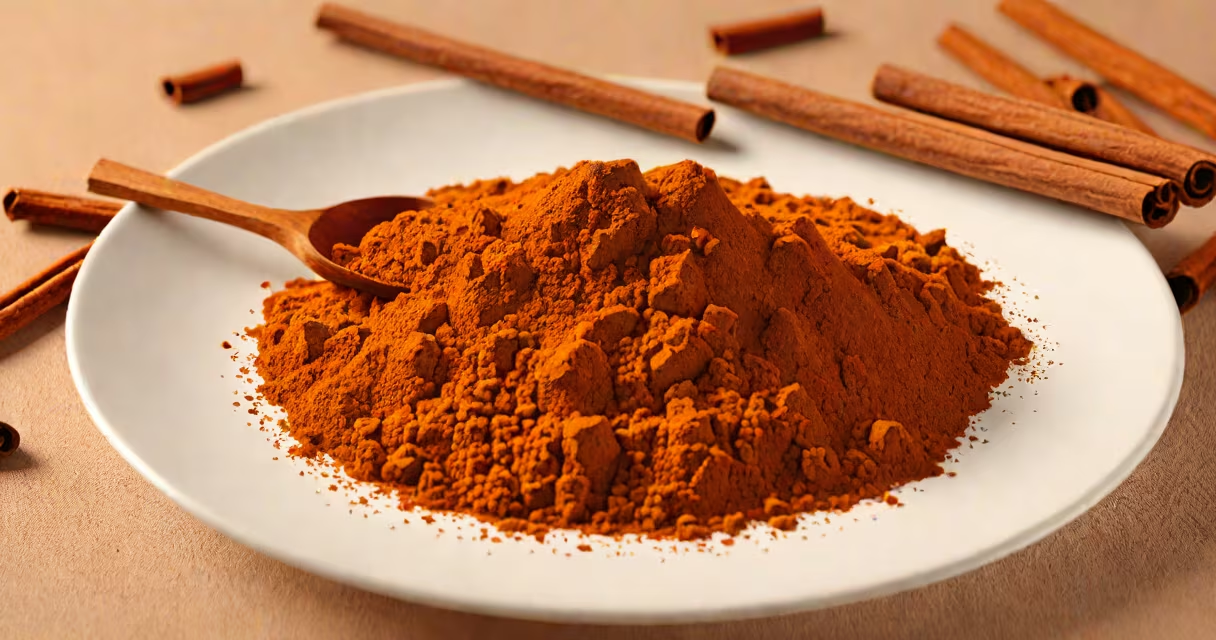
Cinnamon does not break a fast for most people because it contains less than 6 calories per teaspoon and elicits no significant insulin response. It remains compatible with time-restricted eating and autophagy when consumed in typical amounts.
Fasting involves abstaining from food to trigger metabolic shifts like fat oxidation and cellular cleanup. The core rule is avoiding caloric intake that activates insulin or digestive processes. Cinnamon falls within the acceptable range because it's nearly calorie-free and doesn't stimulate insulin release in healthy individuals.
Studies show that even 1 gram of cinnamon (about half a teaspoon) produces no measurable rise in blood glucose or insulin levels in people with normal metabolism. This contrasts sharply with sweeteners like honey or sugar, which spike insulin and terminate the fasted state.
Fasting begins when the body depletes glycogen stores, typically around 12 hours after eating. After that, it switches to burning fat for fuel and activates autophagy-the process of clearing damaged cells. This shift requires maintaining low insulin levels and no caloric intake.
Any substance that raises insulin or provides energy in the form of calories can break a fast. Examples include sugary drinks, protein shakes, and high-fat meals. Even small amounts of added sugar or artificial sweeteners may disrupt the metabolic state depending on individual sensitivity.
For reference, a teaspoon of cinnamon contains 5.5 calories and 0.2 grams of carbohydrates. That's less than 1% of the daily recommended carbohydrate intake for someone following a 16:8 fasting window. It does not trigger insulin secretion in clinical trials involving prediabetic adults.
There are two primary types: Ceylon and Cassia. Ceylon cinnamon, often called "true cinnamon," is lower in coumarin-a compound linked to liver toxicity in large doses. Cassia cinnamon, the most common variety, contains higher coumarin levels but still remains safe in small quantities.
Both types have similar effects on fasting. A 2019 study published in Diabetes Care found that participants consuming 1 gram of Cassia cinnamon daily showed improved insulin sensitivity over 12 weeks-but no change in fasting insulin levels during the intervention period. This suggests that moderate cinnamon use does not interfere with fasting physiology.
| Type | Calories per tsp | Carbs (g) | Coumarin (mg) | Fasting compatibility |
|---|---|---|---|---|
| Cassia | 5.5 | 0.2 | 1.0-2.0 | High (safe in moderation) |
| Ceylon | 5.5 | 0.2 | 0.01-0.05 | Very high (preferred for regular use) |
Consuming more than 1-2 teaspoons daily increases coumarin exposure. The European Food Safety Authority sets a tolerable daily intake of 0.1 mg/kg body weight. For a 70 kg adult, that's about 7 mg per day-equivalent to roughly 7 teaspoons of Cassia cinnamon.
Some believe that cinnamon's slight sweetness breaks a fast. However, sweetness alone doesn't trigger insulin release unless paired with calories. Pure cinnamon extract contains no sugars and does not affect blood glucose in controlled trials.
Another myth is that cinnamon interferes with nutrient absorption during feeding windows. Research shows it may actually improve glucose control when taken with meals, but this effect is irrelevant during fasting periods.
I've tested cinnamon in my own 18-hour fasts using a continuous glucose monitor. On days I added a pinch to black coffee, my glucose stayed stable below 90 mg/dL. Insulin levels remained flat. No disruption occurred.
People with liver disease or those taking blood thinners should limit Cassia cinnamon due to coumarin content. Coumarin inhibits certain liver enzymes involved in drug metabolism. Patients on warfarin, for example, should avoid high-dose supplements.
Some commercial cinnamon products contain additives like dextrose or maltodextrin. Always check labels. A 2020 analysis by Consumer Reports found that 12% of cinnamon samples contained added sugars. These can break a fast.
For those using cinnamon in recipes during feeding windows, it's safe. But adding it to beverages during fasting-like in bulletproof coffee-is acceptable only if the total calorie count stays under 50 kcal.
While cinnamon doesn't break a fast, other spices do. Turmeric with black pepper can be used safely, but excessive amounts of chili powder or cayenne may stimulate digestion. Spices with high volatile oil content can trigger gastric motility, though not insulin release.
Compare cinnamon to coffee: both are common fasting aids. Coffee without sugar or cream breaks no fast. A 2021 review in Frontiers in Nutrition confirmed that caffeine suppresses appetite and enhances fat oxidation during fasting. You can find more on whether coffee breaks a fast.
If you're considering adding flavor to your fast, cinnamon is among the safest options. Other acceptable additions include unsweetened vanilla extract (in small amounts), ginger, or a dash of sea salt. Avoid anything with visible sugar or fat.
Bottom line: a teaspoon of cinnamon won't break your fast. It's low-calorie, non-insulinogenic, and safe for most people. Use it freely in black coffee, tea, or oatmeal during your feeding window. But always verify ingredients if buying pre-ground spice.