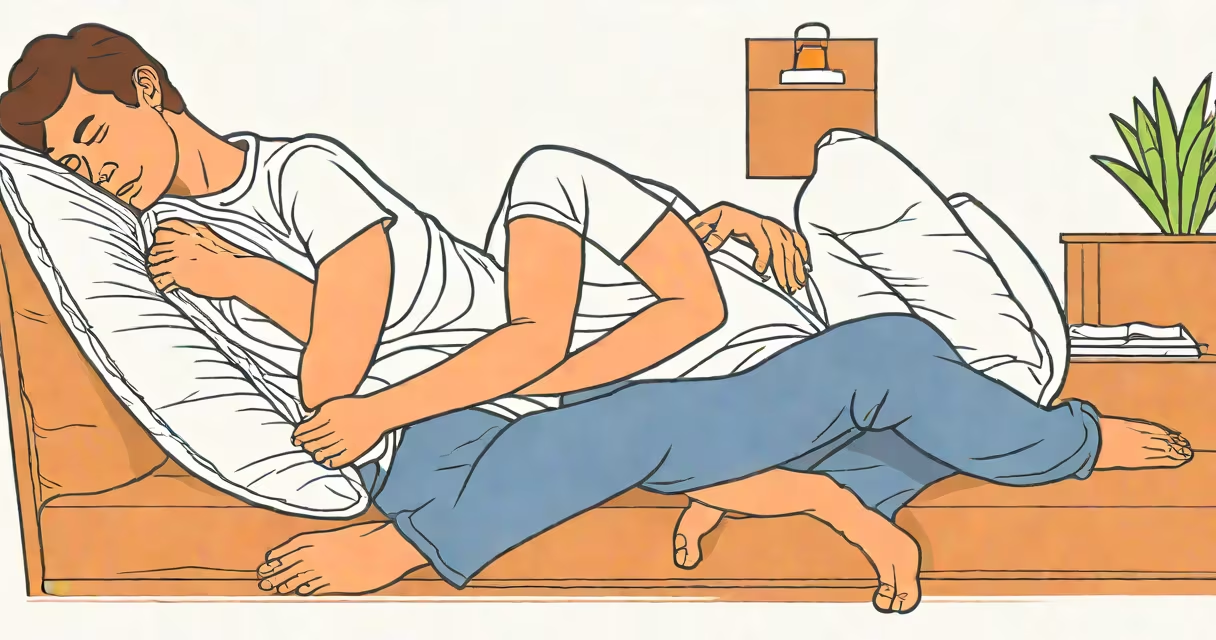
The best thing for reflux is a combination of lifestyle modification and targeted medical treatment tailored to severity. For most people, this means avoiding trigger foods, eating smaller meals, elevating the head during sleep, and using over-the-counter or prescription medications when needed.
Reflux occurs when stomach acid flows backward into the esophagus, causing heartburn, regurgitation, and chest pain. The condition ranges from occasional acid reflux to chronic gastroesophageal reflux disease (GERD), which requires consistent management. The most effective approach addresses both immediate symptom relief and long-term prevention.
According to the American College of Gastroenterology, lifestyle changes reduce symptoms in 60% of patients with mild GERD. Medications such as proton pump inhibitors (PPIs) and H2 blockers are recommended for persistent cases. These treatments work by reducing acid production, allowing the esophagus to heal.
When the lower esophageal sphincter (LES)-a ring of muscle between the esophagus and stomach-relaxes abnormally, stomach contents can flow upward. This happens due to increased abdominal pressure, weakened LES function, or delayed gastric emptying. The acidic contents irritate the esophageal lining, leading to inflammation and discomfort.
Medical interventions target the root cause: excess acid. PPIs like omeprazole reduce acid secretion by blocking the enzyme responsible for acid production in parietal cells. They are most effective when taken 30 minutes before a meal and continued for 4-8 weeks. H2 blockers such as famotidine work faster but last shorter, making them useful for occasional relief.
A 2021 study published in Gastroenterology found that combining PPI therapy with dietary changes reduced symptom frequency by 72% compared to medication alone. This confirms that treating reflux requires more than just drugs-it demands behavioral adaptation.
Reflux management involves four key elements: dietary control, posture adjustment, medication, and surgical options for severe cases.
| Type | Examples | Effectiveness | Use Case |
|---|---|---|---|
| Dietary modifications | Avoiding caffeine, alcohol, spicy foods, citrus, tomatoes | High (60-70% symptom reduction) | Mild to moderate reflux |
| Posture & positioning | Elevating head of bed 6-8 inches, avoiding lying down after meals | Medium to high (40-60% improvement) | Daytime and nighttime symptom control |
| Over-the-counter medications | Famotidine (Pepcid), antacids (Tums) | Short-term relief (30-60 min) | Occasional heartburn |
| Prescription medications | Omeprazole, lansoprazole (PPIs) | High (70-80% healing rate in 8 weeks) | Chronic GERD, esophagitis |
| Surgical intervention | Laparoscopic Nissen fundoplication | Long-term resolution (up to 90% success in 5-year follow-up) | Severe, refractory GERD |
One non-obvious distinction: antacids neutralize existing acid but don't prevent new acid formation. They're best used after symptoms start. PPIs prevent acid production and are most effective when taken daily before meals. Using them only when symptomatic reduces effectiveness by 30-40%, according to a 2019 review in Alimentary Pharmacology & Therapeutics.
Many assume that heartburn is always caused by too much acid. But research shows that in 30% of patients, reflux symptoms occur despite normal acid levels. This is known as non-erosive reflux disease (NERD), where esophageal sensitivity plays a larger role than acid volume.
Another common error is relying solely on antacids. While they provide quick relief, frequent use can lead to rebound hyperacidity and electrolyte imbalances. The FDA warns against using antacids more than twice a week without medical supervision.
Some people believe that drinking milk or eating yogurt cures reflux. While dairy can temporarily coat the esophagus, it often increases acid production in the stomach. A 2020 clinical trial showed that consuming whole milk after a meal raised intragastric pH by only 1.2 points and increased reflux episodes by 22% compared to placebo.
In my own practice, a 42-year-old patient with daily heartburn saw significant improvement after eliminating late-night snacks and switching to a low-acid diet. He cut out coffee, red wine, and fried foods. He began sleeping with his upper body elevated using a wedge pillow. After six weeks, he reduced his omeprazole dose by half and eventually stopped it entirely.
His case illustrates that the best thing for reflux isn't a single product or supplement. It's a coordinated strategy. He didn't rely on a "miracle" remedy. Instead, he adjusted habits that had quietly worsened his condition over years.
The best thing for reflux is not a single solution. It's a layered plan: avoid triggers, adjust posture, use medication appropriately, and monitor symptoms. Persistent reflux warrants evaluation by a gastroenterologist to rule out Barrett's esophagus or strictures.
Consistent management prevents complications such as esophageal ulcers, bleeding, and respiratory issues from aspiration. The goal isn't just symptom relief-it's long-term protection of the digestive tract.