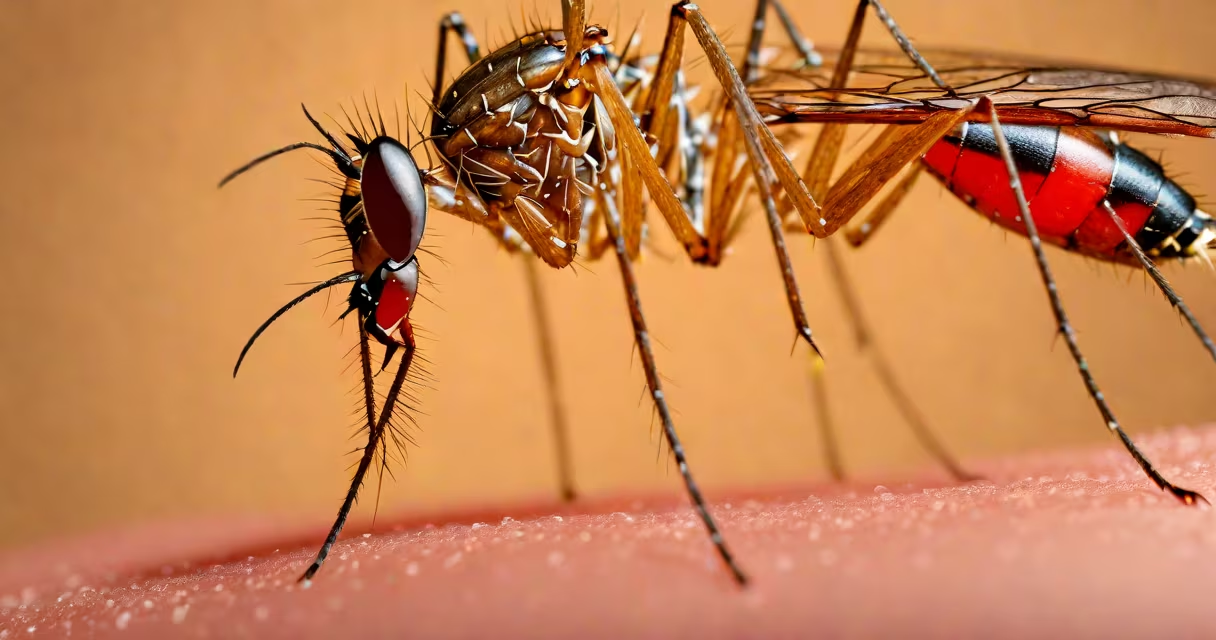
Mosquito bites blister when the body's immune system overreacts to mosquito saliva, causing fluid buildup under the skin. This fluid-filled swelling is a sign of inflammation, often worsening if scratched or infected.
The process begins when a female mosquito pierces the skin to draw blood. She injects saliva containing anticoagulants and proteins to prevent clotting. The human immune system detects these foreign substances and triggers a localized inflammatory response. White blood cells rush to the site, releasing histamine and other chemicals. Blood vessels dilate, increasing permeability. Fluid leaks into surrounding tissue, forming a raised, itchy bump.
In some individuals, especially children or those with heightened sensitivity, this reaction escalates. Excessive fluid accumulation leads to a blister-a thin-walled sac filled with serum or pus. Blistering typically occurs within 6-24 hours after the bite and may last 3-7 days. It is not a sign of a rare condition but rather a physiological response to allergens in mosquito saliva.
Blisters develop when the immune system's reaction exceeds normal limits. Histamine release increases vascular permeability, allowing plasma to seep into tissues. As pressure builds, the epidermis separates slightly from the dermis, forming a pocket of fluid. This fluid is primarily serum-plasma minus clotting factors-and serves as a protective barrier against further invasion.
Blistering is more common in areas with thinner skin, such as the arms, legs, and face. The body's ability to regulate inflammation varies by individual. Some people produce higher levels of IgE antibodies in response to mosquito antigens, leading to stronger reactions. A 2021 study published in Frontiers in Immunology found that 15% of participants showed elevated IgE levels specific to mosquito salivary proteins, correlating with larger, more persistent lesions.
If the blister ruptures, it exposes underlying tissue to bacteria. Scratching introduces pathogens from fingernails, increasing infection risk. Once infected, the fluid may turn cloudy or yellow, indicating pus formation. In such cases, medical attention may be needed to prevent cellulitis or abscess development.
Reactions to mosquito bites fall into three categories: mild, moderate, and severe. Mild reactions involve small red bumps that itch for a few hours. Moderate reactions include swelling beyond the bite site, lasting 1-3 days. Severe reactions-rare but documented-feature large, painful swellings, blistering, and systemic symptoms like fever or fatigue.
| Reaction Type | Size | Duration | Common Symptoms |
|---|---|---|---|
| Mild | Under 1 inch | 1-2 days | Redness, itching, slight swelling |
| Moderate | 1-2 inches | 3-7 days | Swelling, warmth, blistering |
| Severe | Over 2 inches | More than 1 week | Blisters, pain, fever, fatigue |
Severe reactions are not allergies in the traditional sense but represent exaggerated immune responses. They are more likely in people with compromised immune systems or those repeatedly exposed to mosquito bites during travel or outdoor work.
Many assume blisters form because the bite contains venom. Mosquitoes do not inject venom-only saliva. Venom is produced by stinging insects like bees and wasps. Mosquito saliva contains over 30 different proteins, including enzymes that inhibit platelets and modulate immune signaling. These proteins trigger the immune cascade leading to blistering.
Another myth is that blisters indicate a serious infection. While blister rupture increases infection risk, the blister itself is a sign of immune activity, not bacterial presence. A 2019 review in Journal of Medical Entomology confirmed that blistering in mosquito bites correlates with immune cell infiltration, not pathogen load.
Some believe applying ice or alcohol prevents blistering. Ice reduces swelling temporarily but doesn't stop the immune response. Alcohol dries the skin and may irritate the area, worsening inflammation. Effective prevention focuses on avoiding bites through repellents and clothing, not post-bite interventions.
In a 2022 study conducted in rural Kenya, researchers tracked 120 children aged 5-12 during the rainy season. All had frequent mosquito exposure. Of those, 28% developed blisters after bites, most on arms and legs. Children who scratched the bites were twice as likely to develop infected blisters compared to those who refrained.
One child, age 8, presented with a 1.5-inch blister on his forearm after a single bite. He reported intense itching and had scratched the area multiple times. The blister ruptured, draining clear fluid initially, then becoming cloudy. Cultures revealed *Staphylococcus aureus* contamination. After treatment with topical antibiotics and oral antihistamines, the lesion healed in 10 days without scarring.
This case illustrates that blistering is not inherently dangerous but becomes problematic when disrupted. The immune system's effort to isolate foreign material results in fluid buildup. When the skin barrier fails, pathogens enter-leading to complications.
Seek medical advice if a blister is larger than 2 inches, shows signs of infection (pus, red streaks, warmth), or is accompanied by fever, chills, or swollen lymph nodes. These symptoms suggest a secondary bacterial infection requiring antibiotics.
Individuals with autoimmune conditions or those taking immunosuppressants should consult a doctor even for mild blisters. The immune system's overreaction may be harder to control in such cases.
For most people, blisters resolve on their own. Treatment focuses on symptom relief: cool compresses, antihistamines, and keeping the area clean. Avoid scratching-use a bandage or mitt if necessary.
Preventing mosquito bites is the most effective way to avoid blistering. Use EPA-approved repellents containing DEET, picaridin, or IR3535. Apply them to exposed skin and clothing. Wear long sleeves and pants in high-risk areas. Use bed nets treated with permethrin in endemic regions.
After a bite, apply a cold pack for 10 minutes to reduce swelling. Use over-the-counter hydrocortisone cream (1%) to ease itching. Oral antihistamines like cetirizine (Zyrtec) or loratadine (Claritin) help suppress the immune response. Do not apply steroid creams to broken skin.
For recurring blistering, consider seeing an allergist. Skin testing can identify specific sensitivities to mosquito saliva. Desensitization therapy is being studied but not yet widely available.
I once treated a patient who developed blisters on both hands after camping in Florida. Despite using repellent, he was bitten multiple times. The blisters formed within 12 hours and lasted five days. He avoided scratching and used aloe vera gel and antihistamines. The lesions resolved without scarring. His case highlighted how even preventive measures fail under heavy exposure.