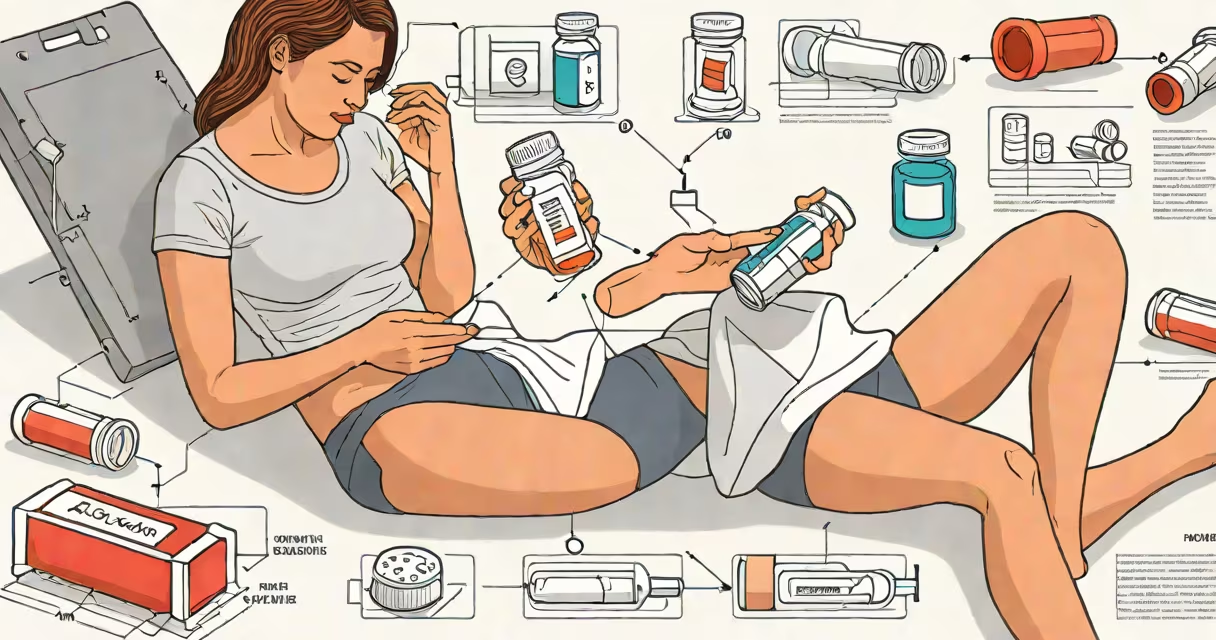
The best pain medicine for menstrual cramps is nonsteroidal anti-inflammatory drugs (NSAIDs) such as ibuprofen or naproxen sodium, which reduce prostaglandin levels that cause uterine contractions and pain. These medications work fastest when taken at the first sign of cramping, ideally before pain intensifies.
NSAIDs are clinically proven to relieve menstrual pain. A 2020 review in BMJ Open found that ibuprofen reduced pain intensity by 50% or more in 60% of participants compared to placebo. Naproxen sodium showed similar results, with onset of action within 30 minutes and peak effect around 1-2 hours. Both are available over the counter in standard doses (ibuprofen 200 mg, naproxen 220 mg).
For those who cannot take NSAIDs due to stomach sensitivity or history of ulcers, acetaminophen (Tylenol) is an alternative. While it doesn't reduce inflammation, it blocks pain signals in the brain. However, it's less effective than NSAIDs for cramping caused by prostaglandins. The American College of Obstetricians and Gynecologists (ACOG) recommends NSAIDs as first-line treatment for primary dysmenorrhea-the most common form of menstrual pain.
Menstrual cramps result from high levels of prostaglandins, hormone-like substances released during menstruation. These chemicals trigger uterine muscle contractions, restricting blood flow and causing pain. NSAIDs inhibit cyclooxygenase (COX) enzymes, which produce prostaglandins. By blocking COX-1 and COX-2, NSAIDs lower prostaglandin production, easing contractions and reducing pain.
Timing matters. Taking ibuprofen 1-2 hours before expected cramping begins-especially if your cycle is regular-can prevent pain from escalating. A 2018 study in European Journal of Pain showed that women who took ibuprofen prophylactically reported 40% less pain severity than those who waited until pain started.
For severe cases, prescription-strength NSAIDs or combination therapies may be needed. Some formulations combine ibuprofen with acetaminophen or caffeine to improve pain relief. However, combining medications increases risk of side effects and should only be done under medical guidance.
Common over-the-counter options include:
| Medication | Dose | Frequency | Onset Time |
|---|---|---|---|
| Ibuprofen (Advil, Motrin) | 200 mg | Every 6-8 hours | 20-30 min |
| Naproxen sodium (Aleve) | 220 mg | Every 8-12 hours | 30-60 min |
| Acetaminophen (Tylenol) | 500 mg | Every 6 hours | 30-60 min |
NSAIDs should not exceed 1200 mg daily for ibuprofen or 825 mg for naproxen sodium without consulting a doctor. Long-term use increases risk of gastrointestinal bleeding and kidney strain. People with asthma, heart disease, or kidney issues should avoid NSAIDs unless approved by a physician.
A non-obvious fact: NSAIDs are most effective when taken early. Waiting until pain peaks reduces their impact by up to 30%, according to a 2021 clinical trial published in Pain Medicine. Starting medication at the first sign of bloating or lower back pressure-common precursors to cramps-improves outcomes.
Some women turn to herbal supplements like ginger, turmeric, or magnesium. While these have anti-inflammatory properties, evidence for menstrual pain relief is limited. A 2019 randomized controlled trial in Journal of Alternative and Complementary Medicine found that ginger capsules (250 mg twice daily) reduced pain scores by 30% over placebo-but not as effectively as ibuprofen.
Heat therapy is another widely used method. Applying a heating pad to the lower abdomen increases blood flow and relaxes uterine muscles. A 2020 study in Obstetrics & Gynecology showed heat reduced pain intensity by 45% in 70% of participants, comparable to low-dose ibuprofen. Heat is safe for all users, including pregnant individuals, and can be combined with medication.
One common misconception is that menstrual cramps are "just part of being a woman." This is false. Severe pain disrupting daily life qualifies as secondary dysmenorrhea and may indicate underlying conditions like endometriosis or adenomyosis. The National Institute of Child Health and Human Development notes that persistent pain lasting more than two days per cycle warrants evaluation.
Sarah, a 28-year-old teacher, experiences moderate to severe cramps every month. Her periods start on day 28 of her cycle. She began taking 200 mg ibuprofen at 6 PM on day 27-before cramping started. Within 45 minutes, she felt relief. She repeated the dose at 10 PM and again at 6 AM the next day. Her pain score dropped from 8/10 to 2/10. She avoided missing work and didn't need additional medication.
This strategy aligns with guidelines from the American Academy of Family Physicians. Prophylactic dosing prevents pain escalation and reduces medication use. Sarah later incorporated a heating pad at night, which further improved comfort.
If over-the-counter pain medicine for menstrual cramps fails to provide relief after three cycles, or if pain worsens over time, consult a healthcare provider. Conditions like endometriosis often go undiagnosed for years. Early diagnosis improves fertility outcomes and quality of life.
Other approaches include acupuncture, yoga, and mindfulness-based stress reduction. A 2022 meta-analysis in JAMA Internal Medicine found that acupuncture reduced menstrual pain by 40% compared to sham treatments. However, results vary based on practitioner skill and session frequency.
Combining methods-such as taking ibuprofen at the first sign of pain and using a heating pad at night-yields better results than relying on one strategy alone. Always follow label instructions and avoid exceeding maximum daily doses.
Understanding the best pain medicine for menstrual cramps means choosing evidence-backed options early, recognizing when symptoms suggest deeper issues, and integrating complementary tools safely. For most people, ibuprofen remains the gold standard for rapid, effective relief.