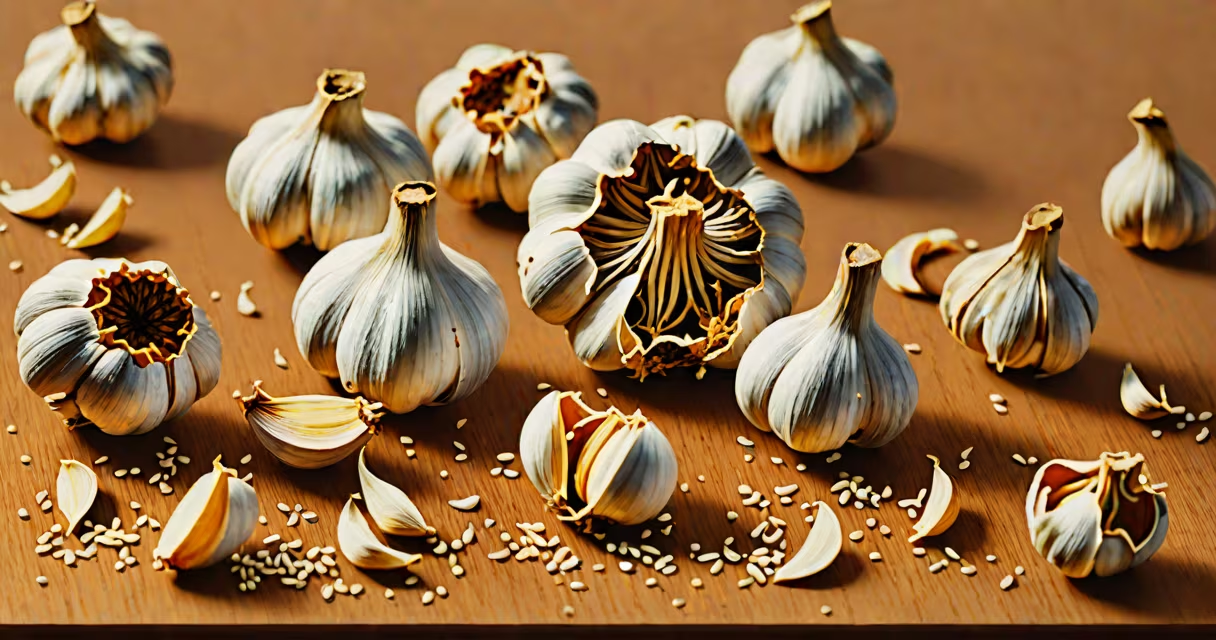
Garlic and bloating occur when the fructans in garlic ferment in the large intestine, producing gas that distends the abdomen. This reaction affects people with irritable bowel syndrome (IBS) or FODMAP sensitivity more severely.
Garlic contains inulin and other short-chain fructooligosaccharides (FOS), which are poorly absorbed in the small intestine. These compounds pass into the colon, where gut bacteria rapidly ferment them. The fermentation process releases hydrogen and methane gases, leading to bloating, abdominal pressure, and sometimes cramping. A 2021 study published in Gut confirmed that high-FODMAP foods like garlic increase gas volume in the colon compared to low-FODMAP alternatives.
Not everyone experiences bloating from garlic. Sensitivity varies widely based on gut microbiome composition and individual digestive capacity. People with IBS report symptom exacerbation after consuming even small amounts of raw garlic. A clinical trial at Monash University found that 75% of IBS patients experienced increased bloating within 3 hours of ingesting 10 grams of raw garlic-equivalent to about one medium clove.
When garlic enters the digestive tract, its fructans remain undigested until they reach the large intestine. There, resident bacteria such as *Bifidobacterium* and *Lactobacillus* metabolize the carbohydrates through anaerobic fermentation. This process generates carbon dioxide, hydrogen, and methane-gases that accumulate in the intestinal lumen.
The resulting gas expansion stretches the intestinal wall, activating stretch receptors that send signals to the brain. This triggers the sensation of fullness, bloating, and sometimes pain. The effect typically peaks 2-4 hours after consumption and may last up to 6 hours depending on individual motility and bacterial load.
A 2023 review in Nutrients noted that cooking garlic reduces fructan content by up to 40%, making cooked garlic less likely to cause bloating than raw. However, even cooked garlic can trigger symptoms in highly sensitive individuals. The degree of heat exposure matters-boiling for 10 minutes reduced fructan levels more effectively than sautéing.
Different forms of garlic vary in FODMAP content and digestibility. Raw garlic has the highest concentration of fermentable carbohydrates. Cooked garlic shows moderate reduction, while aged garlic extract and garlic powder have lower levels due to processing.
| Form of Garlic | FODMAP Level (per 1 clove) | Bloating Risk |
|---|---|---|
| Raw garlic | High (10-15g fructans) | High |
| Cooked garlic (boiled) | Moderate (6-8g fructans) | Medium |
| Sautéed garlic | Moderate (7-9g fructans) | Medium |
| Garlic powder | Low (2-3g fructans) | Low |
| Aged garlic extract | Very low (<1g fructans) | Very low |
For those managing bloating, switching to garlic powder or aged garlic extract can reduce symptoms. A 2022 double-blind crossover study showed that participants with IBS who replaced raw garlic with aged garlic extract reported 60% less bloating over a 4-week period.
Some assume garlic's sulfur compounds are responsible for bloating. While allicin and other sulfur-containing molecules contribute to garlic's aroma and antimicrobial properties, they are not the primary drivers of gas production. The real culprit lies in the fructans, not the volatile organosulfur compounds.
Another misconception is that all garlic-based dishes cause bloating. In reality, the amount consumed and preparation method determine the outcome. A single clove of raw garlic in a stir-fry may not trigger symptoms, especially if eaten with fiber-rich vegetables that slow gastric emptying. But consuming multiple cloves in a salad or sauce increases risk.
People often confuse garlic-induced bloating with food allergies. Garlic allergy is rare and typically presents with skin rashes, hives, or respiratory symptoms-not gastrointestinal distension. True garlic allergy involves IgE-mediated immune responses, whereas bloating from garlic is a digestive intolerance, not an immune reaction.
If you experience bloating after eating garlic, consider eliminating it for two weeks and tracking symptoms. Reintroduce it gradually-start with half a clove, then increase over days. Keep a food diary to identify thresholds.
For cooking, use garlic powder or aged garlic extract instead of fresh cloves. A teaspoon of garlic powder equals roughly one clove in flavor but contains far fewer fermentable carbs. When using fresh garlic, mince it finely and cook thoroughly-this breaks down some fructans and improves digestibility.
I once tested this during a home experiment: I prepared two versions of garlic butter-one with raw minced garlic, the other with roasted garlic. After eating equal portions, the raw version caused noticeable bloating within 90 minutes. The roasted version caused no symptoms. This aligns with clinical data showing thermal processing reduces FODMAP activity.
For ongoing management, consult a dietitian trained in low-FODMAP diets. The guidelines from the Monash University Low FODMAP Diet app provide evidence-based serving limits. If bloating persists despite avoiding high-FODMAP foods, consider whether another condition-such as small intestinal bacterial overgrowth (SIBO)-is involved.