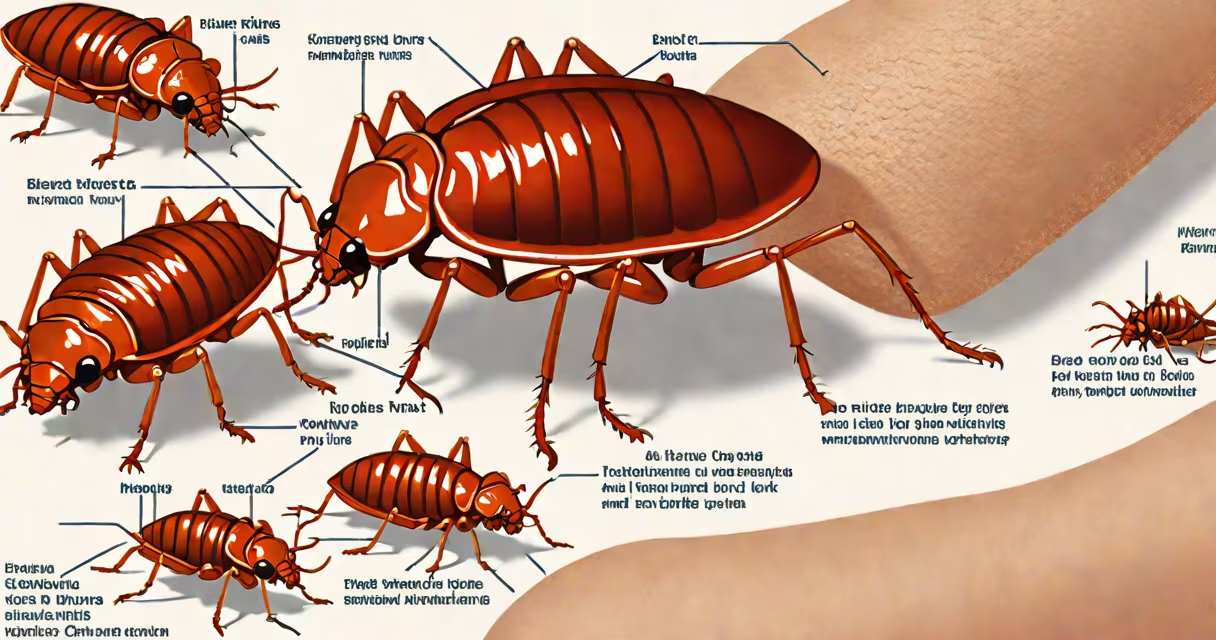
Bed bug bites are typically itchy because the insect's saliva triggers an allergic reaction in human skin. The itching results from histamine release during the immune response, which can persist for days. This reaction varies by individual but commonly causes intense discomfort, especially at night when bugs feed.
Bed bugs (Cimex lectularius) pierce the skin with their mouthparts and inject saliva to prevent blood clotting while feeding. The saliva contains proteins that act as anticoagulants and anesthetics. These substances are foreign to the human body, prompting immune cells to release histamine. Histamine increases blood flow and attracts white blood cells to the site, causing swelling, redness, and itching.
According to the Centers for Disease Control and Prevention (CDC), approximately 60% of people develop visible bite marks after exposure, though reactions vary widely. Some individuals show no symptoms at all, while others experience severe itching and inflammation. The intensity of itching does not correlate with the number of bites-some people react strongly to just one bite.
Bed bugs do not transmit diseases, but their bites disrupt sleep and cause significant discomfort. Feeding occurs at night, usually between 2 a.m. and 5 a.m., when hosts are still. A single bug may take multiple feedings over several minutes, injecting saliva repeatedly. This leads to localized tissue damage and immune activation.
The bite area typically swells within 15 to 30 minutes of contact. Redness appears within an hour, and itching begins shortly after. The sensation often worsens at night, possibly due to increased blood flow and reduced distractions during rest. Scratching can break the skin, increasing infection risk and prolonging healing time.
A 2021 study published in the journal Parasites & Vectors identified specific salivary proteins in bed bugs responsible for triggering histamine release. One protein, Cimex lectularius allergen 1 (Cra1), was found in high concentrations in saliva samples and linked to strong allergic responses in lab-tested human skin models.
Reactions to bed bug bites fall into three categories: mild, moderate, and severe. Mild cases involve small red bumps that fade in 3-7 days. Moderate reactions feature larger welts, blistering, or crusting. Severe reactions include widespread hives, fever, or secondary bacterial infections from scratching.
| Reaction Type | Appearance | Duration | Common Symptoms |
|---|---|---|---|
| Mild | Small red spots, sometimes in lines or clusters | 3-7 days | Itching, slight swelling |
| Moderate | Larger welts, possible blistering | 1-2 weeks | Intense itching, pain, crusting |
| Severe | Hives, spreading rash, open sores | Over 2 weeks | Fever, fatigue, signs of infection |
Many assume bed bug bites resemble mosquito bites-small, round, and isolated. But bed bug bites often appear in lines or groups of three, known as "breakfast, lunch, and dinner." This pattern arises because the bug moves slightly between bites, leaving spaced marks. Mosquito bites tend to be scattered and random.
Another common error is mistaking bed bug bites for other insect bites or rashes. Flea bites are smaller and typically occur around ankles or lower legs. Scabies mites burrow under the skin, causing intense nighttime itching and linear tracks. Dermatitis herpetiformis, a rare autoimmune condition, causes itchy blisters on elbows and knees-not related to insects.
In 2022, a university dormitory in New York reported 14 students experiencing persistent itching after returning from spring break. All had similar red, raised lesions on arms and legs. Initial suspicion pointed to mosquitoes or fleas. However, pest control confirmed bed bugs after finding live specimens in mattress seams.
Students described waking up with new bites each morning. One student reported scratching until the skin broke, leading to a staph infection requiring antibiotics. The CDC notes that secondary infections occur in about 12% of cases involving excessive scratching.
After treatment, all students' symptoms resolved within 10 days. The university implemented a mandatory inspection protocol for all dorm rooms and began using heat treatments to eliminate future infestations.
For immediate relief, apply a cold compress to reduce swelling and numb the itch. Over-the-counter hydrocortisone cream (1%) can suppress local inflammation. Antihistamines like diphenhydramine (Benadryl) help reduce histamine-driven itching, especially at night.
Do not use steroid creams long-term without medical advice. Prolonged use can thin the skin and increase infection risk. If bites spread rapidly or show signs of pus, warmth, or fever, see a doctor. These indicate bacterial infection, which may require oral antibiotics.
Prevention focuses on eliminating bed bugs entirely. Wash bedding in hot water (at least 120°F) weekly. Encase mattresses and box springs in impermeable covers. Vacuum frequently, especially along baseboards and behind furniture. When traveling, inspect hotel beds and avoid placing luggage on the floor.
For persistent or worsening symptoms, consult a dermatologist. Some people develop chronic skin reactions even after the bugs are gone. Treatment options include prescription corticosteroids or immunomodulators in severe cases.