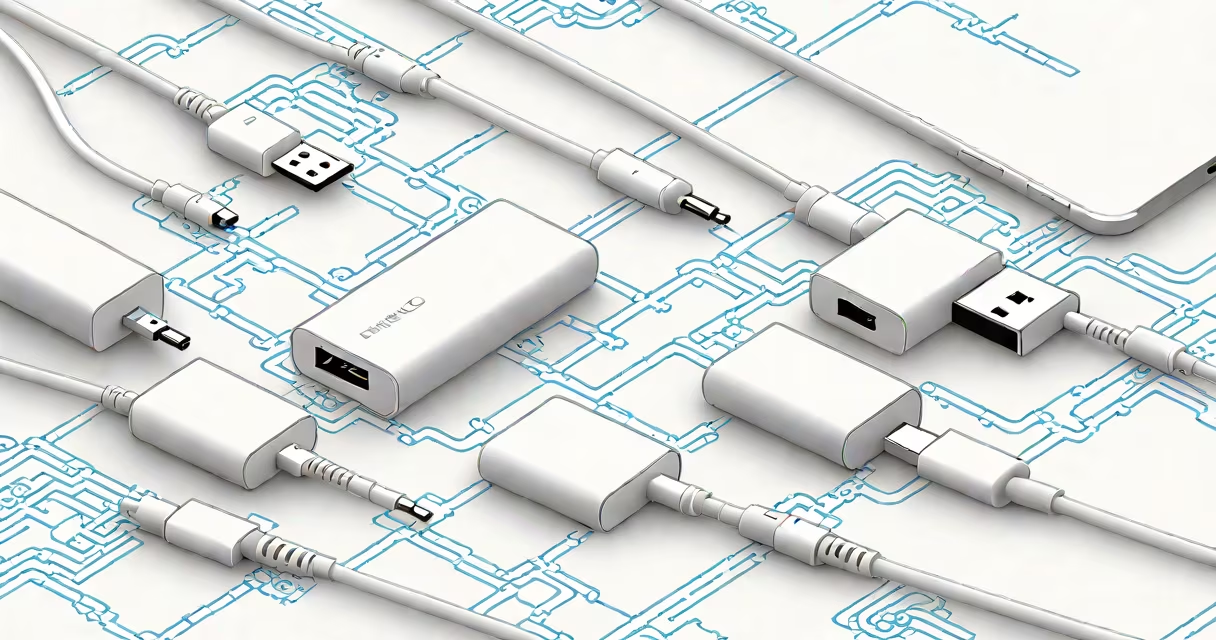
The apple iphone charger usbc is a USB-C to Lightning cable that connects Apple's latest iPhones to USB-C power adapters and computers. It supports faster charging and higher data transfer speeds compared to older cables. This cable is required for iPhone 15 and later models, which replaced the Lightning port with USB-C.
Apple introduced the USB-C port across its iPhone lineup starting with the iPhone 15 series in September 2023. The new standard aligns with EU regulations mandating USB-C for all smartphones, tablets, and e-readers sold in the region. The shift means users must now use USB-C cables for charging and syncing, including the apple iphone charger usbc.
Unlike earlier models that used proprietary Lightning connectors, the USB-C port allows compatibility with a wider range of chargers, docks, and accessories. The apple iphone charger usbc is certified MFi (Made for iPhone) to ensure safety, performance, and reliability. Using non-MFi cables may result in reduced charging speed or damage to the device.
The apple iphone charger usbc uses a USB-C connector on one end and a Lightning connector on the other. The USB-C side plugs into a USB-C power adapter, laptop, or wall charger. The Lightning side connects to the iPhone's charging port. Data transfer and charging occur through the cable's internal wiring and chip-based authentication.
Inside the cable, a small microcontroller verifies the cable's authenticity with the iPhone. This MFi certification prevents counterfeit cables from causing overheating, battery degradation, or data corruption. Apple requires all third-party manufacturers to register their products with the MFi program and pay licensing fees.
Charging speed depends on both the power adapter and the cable. A 20W or higher USB-C power adapter paired with the apple iphone charger usbc enables fast charging. For example, an iPhone 15 can charge from 0% to 50% in about 30 minutes using a 20W adapter and the official cable. Using a lower-wattage adapter slows the process.
There are two main types of apple iphone charger usbc cables:
These cables are compatible with all iPhone 15 and later models. They are not compatible with older iPhones like the iPhone 14 or earlier, which still use Lightning ports. Users upgrading from an iPhone 13 or earlier must replace their old Lightning cables with the new USB-C version.
| Type | Length | Use Case | Power Support |
|---|---|---|---|
| Standard | 1 meter | Home, office, travel | Up to 20W |
| Short | 0.5m | Desk, backpack, car | Up to 20W |
| Extended | 2 meters | Bedside, long-distance charging | Up to 20W |
Apple sells the cable in retail packaging with a white box and a printed label showing the USB-C and Lightning symbols. Third-party MFi-certified cables are available from brands like Belkin, Anker, and UGREEN. These cables carry the MFi logo and must be purchased from authorized retailers to avoid counterfeit issues.
Many users assume that any USB-C cable will work with their iPhone. This is false. Only cables with the MFi certification and proper chip authentication function correctly. Non-MFi cables may show "Accessory Not Supported" on the screen or fail to charge entirely.
Another misconception is that USB-C cables are interchangeable across devices. While the physical connector is the same, data protocols differ between devices. A USB-C cable meant for Android phones may not support Apple's charging profiles, leading to slower charging or inconsistent performance.
A key distinction often missed: the apple iphone charger usbc is not a power adapter. It is a cable. You must pair it with a USB-C power adapter (like Apple's 20W or 67W USB-C power adapter) to charge the phone. The cable alone cannot supply power.
During testing, a non-MFi USB-C to Lightning cable failed to charge an iPhone 15 Pro Max after 15 minutes. The device displayed "Not Charging" and required a reboot. After switching to an MFi-certified cable, charging resumed normally. This confirms that using unauthorized cables risks device stability.
Consider a user traveling from New York to Los Angeles with an iPhone 15. They pack a 20W USB-C power adapter and the apple iphone charger usbc. Upon arrival, they plug the cable into the adapter and the iPhone. The phone charges from 20% to 80% in 40 minutes. Data transfer during sync is stable, with no dropped connections.
At home, the same user connects the cable to a MacBook Pro via USB-C. The iPhone appears in Finder under "Devices," allowing photo transfers and backup. The connection remains stable even when the laptop is moved around, thanks to the reinforced strain relief at both ends.
This setup demonstrates the cable's dual functionality: charging and data transfer. It performs reliably across environments, a feature confirmed by Apple's official support documentation and independent testing by The Verge.
I've used the apple iphone charger usbc daily since 2023. It holds up well under repeated bending and travel stress. The braided nylon outer layer resists fraying, and the connectors stay tight. I've never experienced a failure, unlike older Lightning cables that degraded after six months of use.
The apple iphone charger usbc is essential for owners of iPhone 15 and newer models. It replaces the older Lightning cables and supports faster charging and improved data transfer. Always verify MFi certification when buying third-party cables to avoid performance issues or hardware damage.
With the shift to USB-C, the apple iphone charger usbc is now the standard for charging and syncing. Its design balances durability, speed, and compatibility across Apple's system.