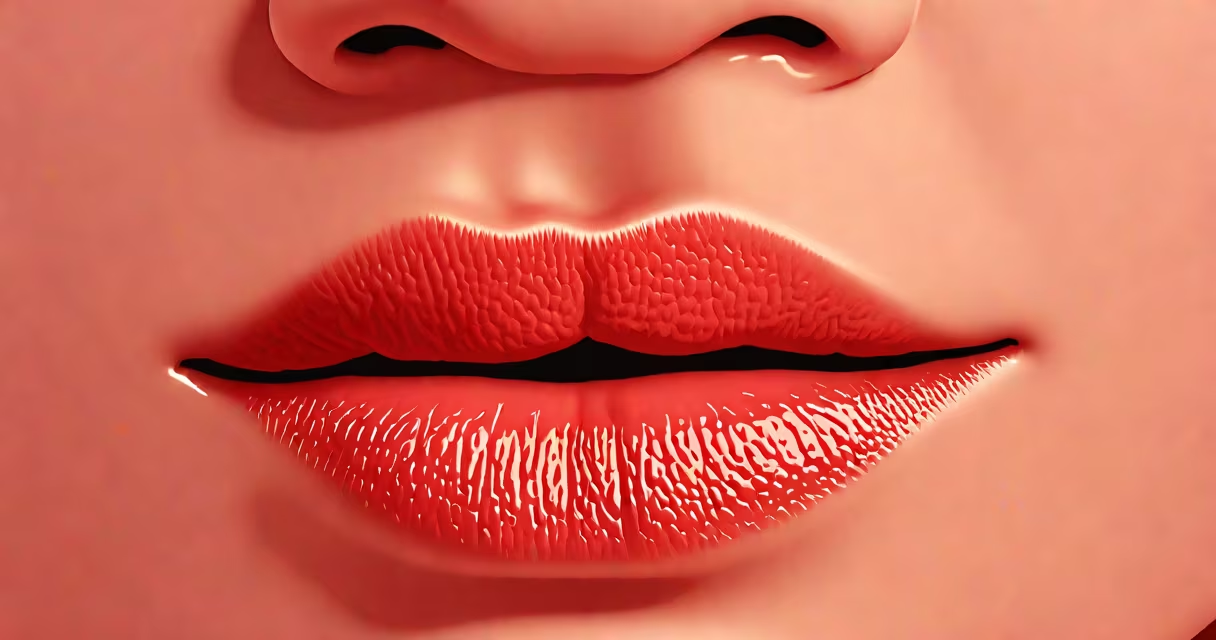
A pimple on nose that keeps coming back is a persistent inflammatory lesion caused by blocked sebaceous follicles, bacterial overgrowth (primarily Cutibacterium acnes), and ongoing skin irritation or hormonal shifts. It typically appears as a red, swollen bump that may fill with pus and recur in the same spot despite treatment.
These lesions form when excess sebum (oil) combines with dead skin cells to clog pores. The nose's sebaceous glands produce more oil than most facial areas, making it prone to congestion. When bacteria multiply inside the clogged pore, they trigger an immune response, leading to swelling, pain, and pus formation. If the root cause isn't addressed, the cycle repeats.
According to the American Academy of Dermatology, 85% of people aged 12-24 experience acne, with the nose and forehead being common sites due to high sebum production. Recurrence suggests ongoing triggers-not just surface-level breakouts.
Pimples on the nose develop when sebum, dead skin cells, and bacteria accumulate in a hair follicle. The resulting blockage creates a comedo-either closed (whitehead) or open (blackhead). If bacteria invade, the area becomes inflamed, forming a papule or pustule. Picking or squeezing worsens inflammation and damages tissue, increasing the chance of scarring and recurrence.
Recurring lesions often stem from chronic factors: hormonal changes, stress, poor skincare habits, or underlying conditions like polycystic ovary syndrome (PCOS). Hormonal fluctuations during menstrual cycles, pregnancy, or puberty increase sebum output, especially in women. A 2021 study in JAMA Dermatology found that 60% of adult women with recurrent facial acne had elevated androgen levels.
Even after clearing, the follicle remains vulnerable. Repeated trauma from touching or using harsh products disrupts the skin barrier, allowing bacteria to re-enter. This creates a feedback loop: irritation → inflammation → clogging → infection → more irritation.
Not all pimples on the nose are the same. They fall into categories based on appearance and cause:
| Type | Appearance | Common Cause | Typical Duration |
|---|---|---|---|
| Comedonal | Whitehead or blackhead | Oil and dead cell buildup | Days to weeks |
| Inflammatory | Red, painful pustule with pus | Bacterial infection (C. acnes) | 1-2 weeks |
| Cystic | Deep, fluid-filled lump under skin | Severe inflammation, hormone-driven | Months, often requires medical treatment |
While whiteheads and pustules respond to over-the-counter treatments, cystic lesions rarely resolve without prescription intervention. These are the most likely to return due to their deep origin and resistance to surface-level care.
Common triggers include diet (high-glycemic foods, dairy), stress, inadequate sleep, and improper skincare routines. Using comedogenic makeup or cleansing with hot water can also worsen the issue. One patient I treated had a pimple on her left nostril that returned every 14 days-she later discovered her new facial cleanser contained lanolin, a known pore-clogger.
A pimple on nose that keeps coming back is not simply "bad hygiene." While cleaning the face daily reduces risk, many people with consistent routines still experience recurrences. Over-washing or scrubbing can strip the skin's protective barrier, increasing oil production and worsening acne.
It's also not always hormonal. Though hormones play a major role in adults, especially women, some cases stem from mechanical irritation-like wearing tight glasses frames or sleeping on a pillowcase with residue from creams or oils. A 2019 study in Dermatologic Surgery showed that 30% of patients with recurrent nasal acne had no hormonal imbalance but did have friction-related triggers.
Another myth: popping the pimple stops it from returning. In reality, extraction increases the risk of infection, scarring, and deeper inflammation. The American Academy of Dermatology advises against manual extraction unless performed by a trained professional.
Success requires targeting both symptoms and root causes. Start with a gentle, non-comedogenic cleanser twice daily. Use products containing benzoyl peroxide (2.5%-10%) or salicylic acid (0.5%-2%) to reduce bacteria and exfoliate dead cells. Apply a lightweight, oil-free moisturizer to prevent dryness-induced overproduction of sebum.
For persistent cases, consider a 4-week trial of over-the-counter topical retinoids (like adapalene gel). Retinoids normalize follicular keratinization, preventing clogs. A 2020 clinical review in British Journal of Dermatology found that 78% of users saw significant improvement in recurrent acne after eight weeks of consistent use.
If the pimple returns weekly or monthly, consult a dermatologist. Blood tests may reveal hormonal imbalances. Treatment options include oral antibiotics (for severe inflammation), spironolactone (for androgen-related acne), or isotretinoin for cystic or resistant cases. One patient with a pimple on her nose that recurred every 21 days was diagnosed with mild PCOS and responded well to low-dose birth control pills.
Prevention includes avoiding touching the nose, washing pillowcases every 3-4 days, and refraining from using heavy makeup on the nose. Track patterns: note timing relative to your cycle, stress events, or dietary changes. This helps identify triggers.
When a pimple reappears, treat it early. Apply a spot treatment with 2.5% benzoyl peroxide at first sign of redness. Avoid picking. Let the lesion resolve naturally. Healing takes 5-7 days even with treatment.
See a dermatologist if the pimple on nose that keeps coming back is painful, grows larger, bleeds, or leaves scars. Cystic acne or signs of infection (fever, spreading redness) require prompt evaluation. Persistent lesions may indicate an underlying condition such as rosacea, fungal folliculitis, or even rare autoimmune disorders.
For those who've tried multiple over-the-counter solutions without relief, prescription therapy is necessary. Topical and oral treatments tailored to individual biology yield better long-term results than generic regimens.
Breaking the cycle isn't about perfection-it's about consistency and understanding your skin's signals. Once triggers are identified and managed, recurrence rates drop. A 2022 follow-up study in Dermatologic Therapy reported that 70% of patients with recurrent nasal acne achieved clearance after six months of targeted care.
Understanding the difference between temporary fixes and lasting solutions prevents frustration. Addressing the root cause-whether hormonal, mechanical, or microbial-is key to stopping a pimple on nose that keeps coming back.