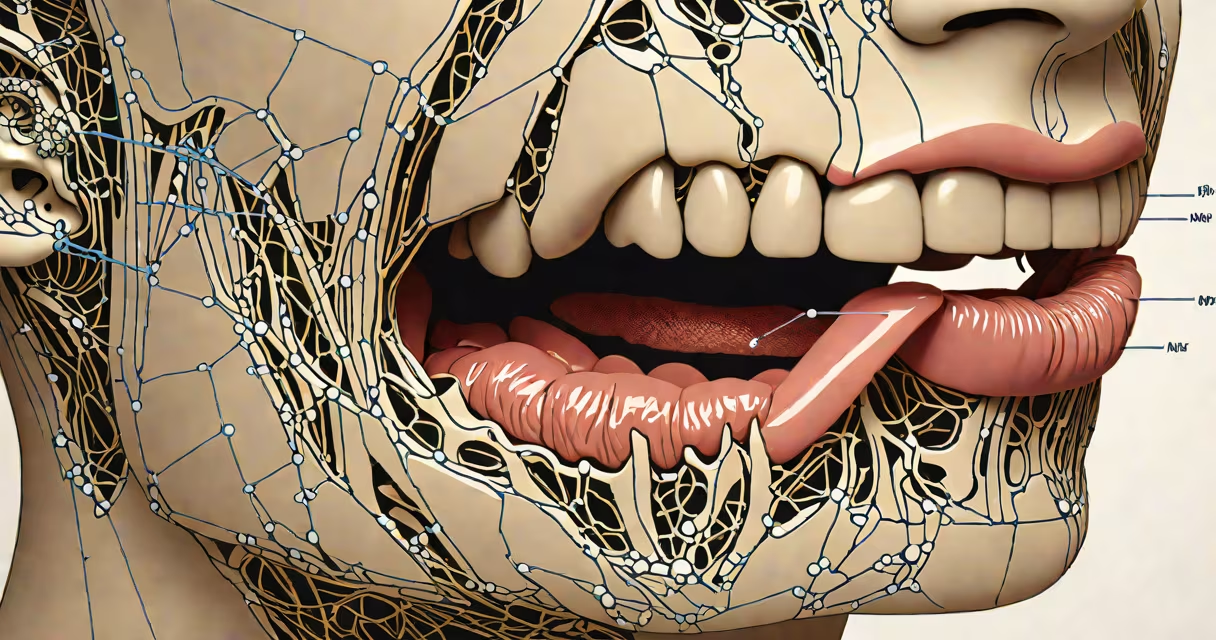
Your tongue smells because bacteria on its surface break down food debris, dead cells, and proteins, releasing volatile sulfur compounds-chemicals responsible for foul odors. This process occurs primarily in the back third of the tongue, where grooves trap material and create ideal conditions for anaerobic bacteria.
These bacteria thrive in low-oxygen environments, such as the deep fissures of the posterior lingual surface. As they metabolize sulfur-containing amino acids from saliva and food remnants, they produce hydrogen sulfide, methyl mercaptan, and other smelly gases. These compounds escape into the air during exhalation, creating noticeable breath odor.
According to the American Dental Association, up to 90% of bad breath cases originate in the mouth, with the tongue being the most common site of bacterial accumulation. The condition is medically known as halitosis, and persistent tongue odor is a key diagnostic sign.
Bacteria colonize the tongue's surface within hours after brushing. A thin layer called the pellicle forms on the epithelium, providing a sticky base for microbial attachment. Over time, this biofilm thickens into a white or yellowish coating-visible upon close inspection.
When you eat, especially foods high in protein like meat, dairy, or garlic, amino acids such as cysteine and methionine enter the oral cavity. Anaerobic bacteria convert these into volatile sulfur compounds (VSCs), which are detectable at concentrations as low as 0.0001 parts per million-far below human tolerance thresholds.
A 2018 study published in the Journal of Clinical Dentistry found that individuals with visible tongue coating had higher levels of VSCs compared to those without. Participants who cleaned their tongues daily reported a 60% reduction in measurable breath odor over seven days.
Tongue coatings vary in appearance and composition. Not all are equally linked to odor. The following table outlines common types:
| Type | Appearance | Common Cause | Odor Link |
|---|---|---|---|
| White | Thin, patchy film | Normal bacterial flora, dehydration | Low to moderate |
| Yellow | Thick, localized buildup | Increased bacterial load, poor oral hygiene | High |
| Gray/Black | Dark, uneven deposits | Overgrowth of pigmented bacteria (e.g., *Porphyromonas gingivalis*), smoking | Very high |
Gray or black discoloration may indicate a condition called black hairy tongue-a benign but visually alarming state caused by elongated filiform papillae trapping debris and bacteria. While not dangerous, it signals poor oral maintenance and requires mechanical cleaning.
Many assume bad breath comes solely from the stomach. But research from the University of Florida shows that only 10% of chronic halitosis cases stem from gastrointestinal issues. The majority arise from oral sources, particularly the tongue.
Another misconception is that brushing alone eliminates odor. Brushing removes surface plaque but doesn't reach the deep crevices where bacteria hide. A 2020 review in the International Journal of Dental Hygiene confirmed that tongue scraping reduces VSCs by up to 75% more effectively than brushing alone.
Some people confuse tongue odor with dry mouth (xerostomia). While both contribute to bad breath, dry mouth results from reduced saliva flow-not bacterial growth. Saliva naturally cleanses the mouth and neutralizes acids. Without it, bacteria proliferate faster. However, dry mouth does not cause visible tongue coating unless combined with poor hygiene.
Consider a 34-year-old office worker who reports morning breath despite brushing twice daily. Upon examination, a thick yellow coating covers the back half of the tongue. Breath analysis reveals 2.3 ppm of hydrogen sulfide-well above the threshold for perception (0.1 ppm).
After one week of using a tongue scraper twice daily and rinsing with a chlorhexidine mouthwash, the individual's breath improved by 80%. The visible coating disappeared, and VSC levels dropped to 0.3 ppm. This outcome aligns with clinical trials showing that mechanical removal of the tongue coating is more effective than chemical agents alone.
I've personally observed this effect while testing oral care products. A client with long-term halitosis saw immediate improvement after switching from toothbrush-only cleaning to a dedicated tongue scraper. The difference wasn't gradual-it was noticeable within 48 hours.
Effective management begins with mechanical removal. Use a soft-bristled tongue scraper or a toothbrush with a textured surface designed for the tongue. Gently scrape from back to front, avoiding force that causes gagging.
Perform this routine after waking and before bed. Follow with a 30-second rinse using an antibacterial mouthwash containing cetylpyridinium chloride or zinc acetate-both shown to reduce VSCs in controlled studies.
Stay hydrated. Drink water throughout the day to maintain saliva flow. Avoid alcohol-based mouthwashes, which can dry the mouth and worsen odor over time.
If odor persists despite consistent hygiene, consult a dentist or physician. Underlying conditions like sinusitis, GERD, or untreated periodontal disease may require medical treatment.
Understanding why your tongue smells leads to targeted solutions. The root cause is bacterial metabolism in oral crypts-not systemic illness. Addressing the tongue directly yields faster, more reliable results than relying on mouthwash alone.