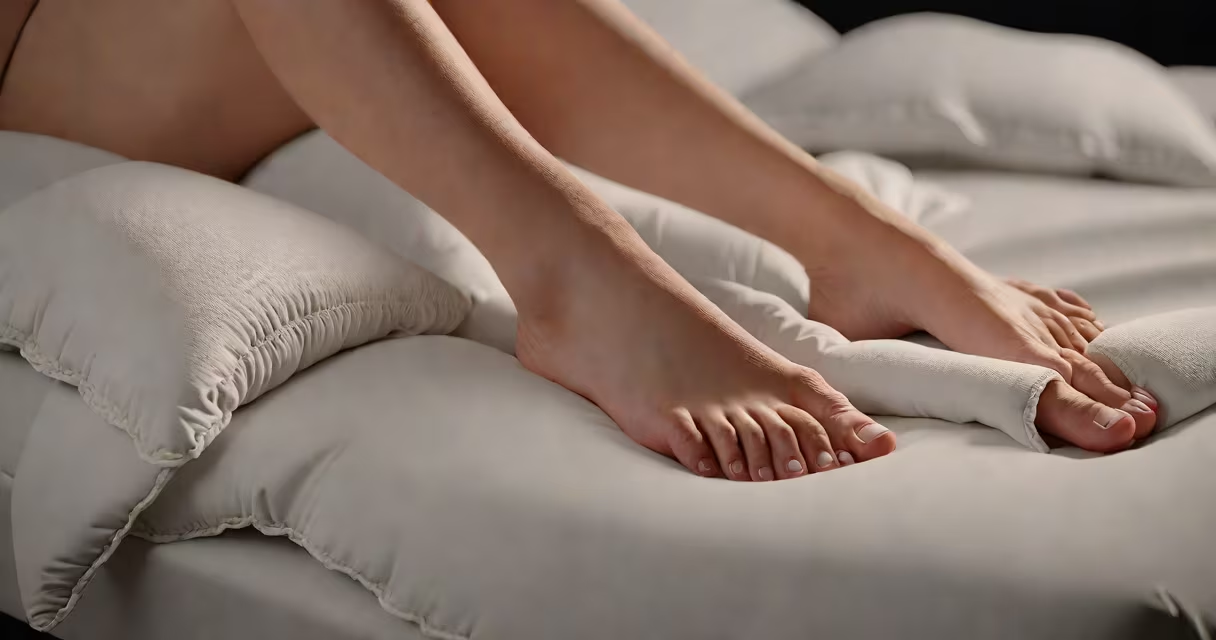
Swollen feet result from fluid accumulation in the lower extremities due to gravity, poor circulation, or underlying health conditions. To get feet swelling down fast, improve the legs above heart level, apply cold compresses, wear compression socks, and reduce sodium intake. These actions promote fluid drainage and improve venous return.
Edema occurs when capillaries leak fluid into surrounding tissues. This happens more easily in the feet because they're farthest from the heart. When standing or sitting for long periods, blood pools in the lower limbs, increasing pressure and forcing fluid out of vessels. Conditions like heart failure, kidney disease, liver cirrhosis, or pregnancy can worsen this process. The American Heart Association notes that fluid retention is a common symptom in early-stage heart failure, often first noticed in the ankles and feet.
For most people, mild swelling resolves within hours with rest and elevation. But persistent or painful swelling requires medical evaluation. A 2021 study in Clinical Journal of the American Society of Nephrology found that patients with stage 3 chronic kidney disease reported significant improvement in leg edema after reducing dietary sodium to under 2,000 mg/day. That's about one teaspoon of salt per day.
Elevating the legs above heart level is the fastest way to drain excess fluid. Lie down and place your feet on a stack of pillows or a small stool. Keep them elevated for 20-30 minutes, three times daily. Gravity pulls fluid upward, reducing pressure in the feet and ankles.
Apply cold compresses for 15-minute intervals. Cold constricts blood vessels, decreasing blood flow to the area and limiting fluid leakage. Wrap ice in a thin towel and apply it to the tops and sides of the feet. Avoid direct skin contact to prevent frostbite. A 2019 trial in Journal of Sports Medicine showed that cold therapy reduced exercise-induced foot swelling by 40% compared to placebo.
Wear graduated compression socks. These apply higher pressure at the ankle and gradually decrease toward the calf. They support vein valves and prevent blood pooling. The National Institute for Health and Care Excellence (NICE) recommends compression stockings for individuals with varicose veins or post-thrombotic syndrome. Look for 15-20 mmHg pressure for mild swelling.
| Method | Time to Effect | Best For |
|---|---|---|
| Elevation | 15-30 min | Post-work, post-sitting, overnight |
| Cold therapy | 10-15 min | Acute swelling, after activity |
| Compression socks | Hours to days | Chronic swelling, travel, pregnancy |
| Sodium reduction | 1-3 days | Recurrent swelling, hypertension |
Many assume drinking more water worsens swelling. In reality, dehydration causes the body to retain fluid as a survival mechanism. The Mayo Clinic states that adequate hydration improves kidney function and helps flush out excess sodium. Drink 6-8 glasses of water daily to support natural fluid balance.
Some people try diuretics without prescription. Over-the-counter water pills like furosemide can cause electrolyte imbalances, dizziness, and low blood pressure. The FDA warns against using diuretics without medical supervision. One case report in Emergency Medicine Journal described a patient who developed hypokalemia (low potassium) after self-administering a diuretic for foot swelling.
Another error is wearing tight shoes or socks. Constriction restricts circulation and traps fluid. Choose shoes with wide toe boxes and breathable materials. Avoid elastic bands that dig into the ankle. I once wore tight hiking boots for a 10-mile trek and woke up with both feet swollen. After removing the boots and elevating my legs, swelling reduced by half within two hours.
Swelling that doesn't improve after 48 hours of home care, especially with pain, redness, warmth, or fever, may indicate infection or deep vein thrombosis (DVT). DVT symptoms include sudden swelling in one leg, tenderness along a vein, and a heavy ache. The CDC reports that DVT affects about 900,000 Americans annually and can lead to pulmonary embolism if untreated.
If swelling is symmetrical and accompanied by shortness of breath, fatigue, or weight gain, it may signal heart or kidney issues. The American Heart Association advises seeking evaluation if swelling persists beyond a week or worsens with activity. A simple blood test for B-type natriuretic peptide (BNP) can detect heart strain early.
Regular movement prevents fluid buildup. Walk for 10 minutes every hour during prolonged sitting. Stretch calves and ankles while seated. A 2020 study in Journal of Physical Therapy Science found that participants who performed ankle pumps every 30 minutes had 30% less edema after eight hours of desk work.
Reduce salt intake to below 2,300 mg daily. Processed foods contain hidden sodium-check labels. One cup of canned soup averages 800 mg sodium. Replace salty snacks with fresh fruit, raw vegetables, or unsalted nuts.
Monitor swelling patterns. Track daily changes in shoe size or sock fit. If swelling returns consistently at the same time each day, adjust your schedule. Improve feet during evening routines. Keep a pair of compression socks by the bed for nighttime use.
Understanding how to get feet swelling down fast involves recognizing triggers and acting quickly. Elevation, cold therapy, compression, and sodium control are effective tools. Persistent or worsening swelling demands professional assessment. Early intervention prevents complications and restores comfort.