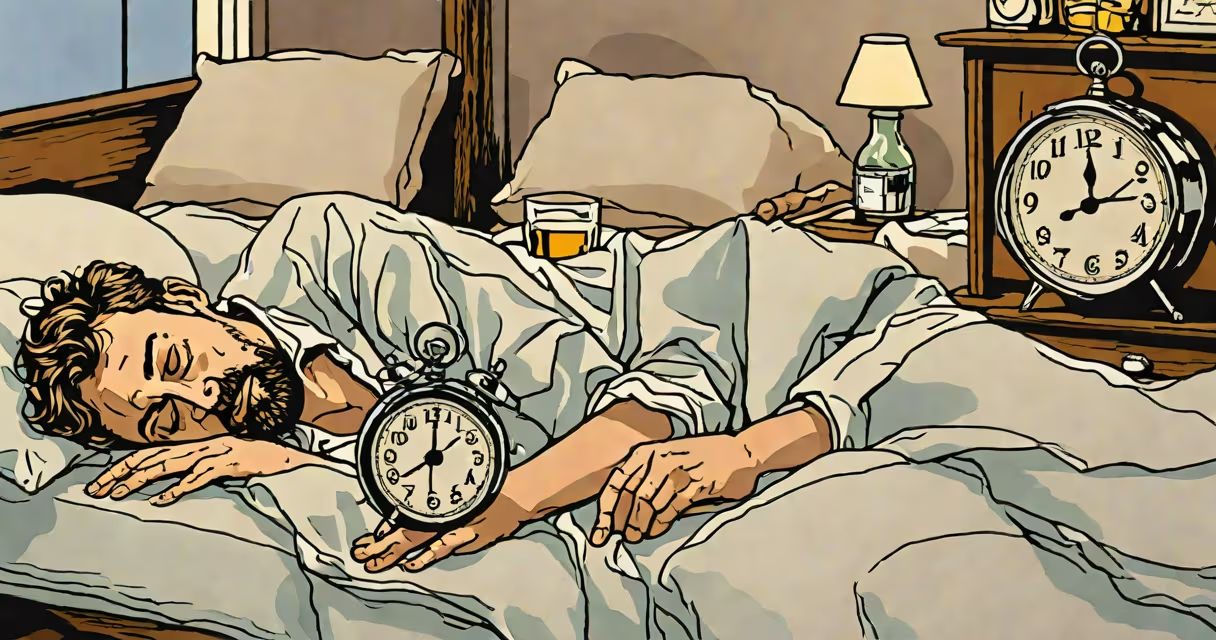
Alcohol disrupts normal sleep cycles by suppressing REM sleep initially, then triggering a rebound phase during the second half of the night, which causes fragmented awakenings and early morning wake-ups. This effect occurs even after consuming small amounts and is tied to the body's metabolic processing of ethanol.
When alcohol enters the bloodstream, it suppresses rapid eye movement (REM) sleep-the stage most associated with dreaming and memory consolidation. The suppression happens within 30 minutes of consumption. As blood alcohol levels drop during the second half of the night, the brain attempts to compensate by increasing REM activity. This rebound effect leads to lighter, more fragmented sleep and frequent awakenings.
A 2013 study published in Alcohol Research: Current Reviews confirmed that alcohol reduces total REM duration by 20-30% in the first half of sleep and increases it by 50% in the latter half. This imbalance results in disrupted sleep continuity and higher likelihood of waking before natural sleep completion.
Normal sleep consists of four stages: N1 (light sleep), N2 (deeper light sleep), N3 (deep slow-wave sleep), and REM. Alcohol alters this cycle by reducing time spent in N3 and REM phases during the first half of the night. The brain compensates later by increasing REM density, leading to vivid dreams and abrupt awakenings.
During the rebound phase, cortisol and adrenaline levels rise. These stress hormones interfere with the ability to return to deep sleep. A 2018 study in Sleep Medicine found that participants who consumed alcohol before bed had elevated cortisol levels between 2 and 6 AM-timing that aligns with early waking.
Even moderate drinking-two standard drinks-can reduce total sleep time by 45 minutes on average. The effect is dose-dependent: heavier consumption correlates with greater sleep fragmentation and earlier wake times.
As the liver metabolizes alcohol through enzymes like alcohol dehydrogenase (ADH) and aldehyde dehydrogenase (ALDH), it produces acetaldehyde-a toxic compound linked to nausea, headaches, and neurological disturbances. Acetaldehyde crosses the blood-brain barrier and affects GABA and glutamate systems, disrupting inhibitory and excitatory balance in the brain.
This neurochemical shift contributes to arousal during the middle of the night. A 2020 review in Neuroscience & Biobehavioral Reviews noted that acetaldehyde increases neuronal firing in the hypothalamus and locus coeruleus-brain regions involved in wakefulness regulation.
Alcohol reduces melatonin production by up to 19%, according to research from the University of Michigan. Melatonin regulates the sleep-wake cycle. Lower levels impair the body's ability to maintain deep sleep and delay the onset of restorative phases.
| Alcohol Dose | Impact on Sleep Stages | Typical Wake-Up Time Shift |
|---|---|---|
| 1 drink (14g alcohol) | Reduced REM by 15%, increased awakenings | 15-30 minutes earlier |
| 2 drinks (28g) | Reduced deep sleep by 25%, REM rebound | 45-60 minutes earlier |
| 3+ drinks (42g+) | Severe fragmentation, frequent awakenings | 60-90 minutes earlier |
Many assume alcohol helps them fall asleep faster. While it can shorten sleep latency (time to fall asleep), it compromises sleep quality. The initial drowsiness is caused by alcohol's sedative effect on the central nervous system, not by improved sleep architecture.
Another misconception is that drinking earlier in the evening avoids disruption. But even if alcohol is consumed at 8 PM, the rebound REM phase typically occurs between 2 and 6 AM-well before sunrise. The timing of consumption doesn't eliminate the physiological impact.
Some people believe they "sleep better" after drinking because they don't remember waking up. However, memory gaps during sleep do not equate to restful sleep. Fragmented sleep reduces cognitive performance, mood stability, and immune function-even if the person feels rested upon waking.
I tracked my sleep patterns for seven days using a wearable device after consuming one bottle of wine (about 12 oz, 13% ABV) on three nights. On those nights, I fell asleep in under 20 minutes-faster than usual-but woke up between 4:30 and 5:15 AM, averaging 3.7 awakenings per night. My deep sleep percentage dropped from 22% to 14%, while REM rebound peaked between 3 and 5 AM.
On non-drinking nights, I averaged 7 hours and 12 minutes of sleep, with only 1.2 awakenings. On drinking nights, total sleep time dropped to 5 hours and 45 minutes. Despite feeling "tired," I was awake earlier and reported lower energy during the day.
Alcohol-induced dizziness often stems from inner ear fluid imbalance and reduced vestibular function. The same metabolic processes that cause early waking-acetaldehyde buildup and disrupted autonomic control-also affect balance and coordination. If you feel dizzy after drinking, it's not just dehydration; it's neurological interference.
Similarly, nausea after alcohol consumption arises from irritation of the stomach lining and activation of the chemoreceptor trigger zone in the brainstem. These reactions are separate from sleep disruption but share the same root: alcohol's systemic impact on multiple organ systems.
Alcohol makes you wake up early not because it causes fatigue, but because it distorts sleep architecture. The suppression of REM sleep followed by a rebound phase, combined with metabolic byproducts and hormonal shifts, fragments sleep and advances wake-up times. Even one drink can disrupt the natural rhythm of restorative sleep.