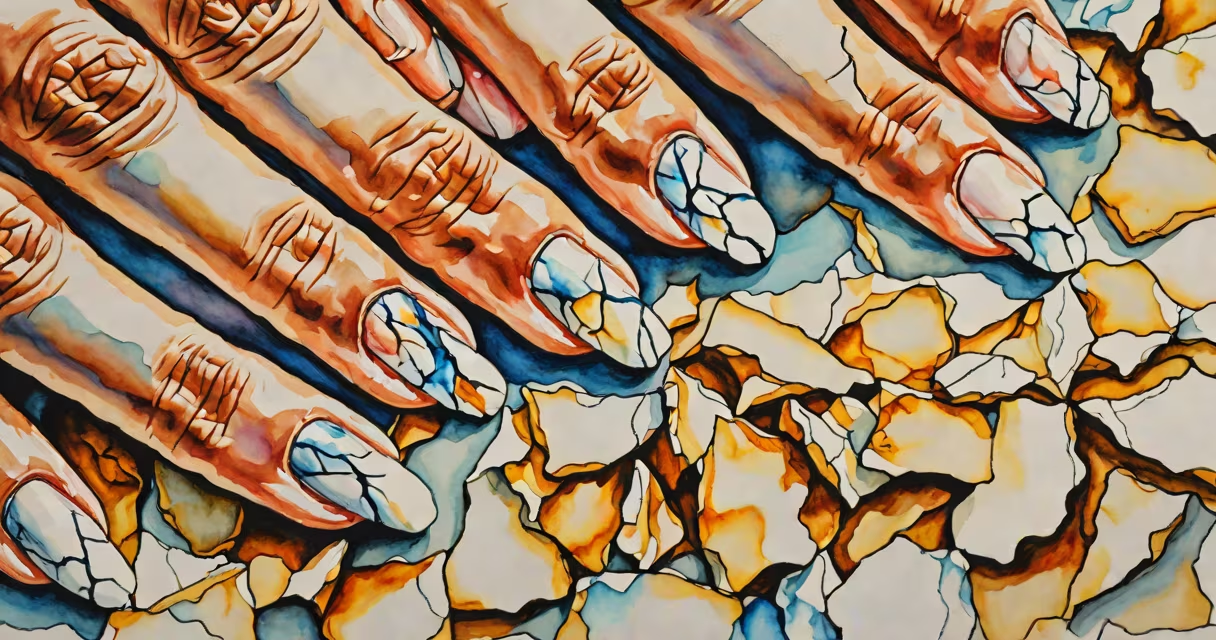
Brittle fingernails result from a loss of moisture, structural weakness in the nail plate, or systemic health issues affecting keratin production. They split, peel, or crumble easily, often starting at the free edge and progressing toward the cuticle.
Brittle nails occur when the nail's outer layer loses hydration and becomes fragile. The nail plate, made mostly of keratin protein, relies on consistent moisture and nutrients to maintain strength. When this balance fails, the nail surface cracks or flakes under minimal pressure. This condition affects about 20% of adults, according to the American Academy of Dermatology Association (AAD).
Common triggers include frequent hand washing, exposure to detergents, aging, and nutritional imbalances. Some people develop brittle nails due to thyroid disorders, iron deficiency anemia, or psoriasis. The condition is not always cosmetic-it can signal deeper physiological changes.
Nail structure begins beneath the cuticle, where cells multiply and harden into keratin. As the nail grows out, it passes through layers of protective tissue. If the environment is too dry or the body lacks key building blocks, the keratin matrix weakens during formation.
Moisture loss occurs when the nail's natural oils are stripped away. Soaps, cleaning agents, and prolonged water exposure dissolve the lipid barrier. Without this protection, the nail dehydrates and becomes porous. Once dried, the nail cannot absorb moisture effectively-even after soaking.
A 2021 study published in the Journal of the European Academy of Dermatology and Venereology found that 68% of patients with chronic nail splitting had low levels of vitamin B7 (biotin) and iron. These deficiencies disrupt keratin synthesis, leading to poor nail integrity even if external care improves.
Brittle nails fall into two categories: dry and soft. Dry brittle nails crack and flake, often with ridges or grooves. Soft brittle nails bend easily and may split vertically. Both types indicate compromised nail biology.
| Type | Appearance | Common Causes | Associated Conditions |
|---|---|---|---|
| Dry brittle | Cracked, peeling, thin layers | Low humidity, frequent handwashing, aging | Onychoschizia (splitting) |
| Soft brittle | Foldable, mushy, prone to bending | Excess moisture, fungal infection, biotin deficiency | Onychorrhexis (longitudinal ridging) |
One non-obvious factor: excessive use of acetone-based nail polish removers. Acetone strips lipids rapidly, causing irreversible damage to the nail bed. A single application can reduce nail tensile strength by up to 30%, according to a 2019 study in the International Journal of Cosmetic Science.
Another overlooked cause is hypothyroidism. Low thyroid hormone levels slow cellular turnover, including in nail tissue. Patients with untreated hypothyroidism often report nail fragility before other symptoms appear. Testing for TSH and free T4 is recommended if brittle nails persist despite care.
Many assume brittle nails stem solely from lack of moisturizer. While hydration helps, it doesn't reverse structural defects caused by nutrient gaps or disease. Applying lotion daily won't repair a nail weakened by iron deficiency.
Some confuse brittle nails with onychomycosis (fungal infection). Fungal nails typically yellow, thicken, and crumble at the edges-but they don't usually split cleanly like brittle nails. A fungal infection requires antifungal treatment, not just emollients.
Another mistake: using harsh nail files or buffing tools. Over-filing removes the protective cuticle and weakens the nail plate. A 2020 clinical review in the British Journal of Dermatology noted that 44% of patients who filed their nails daily reported increased splitting within six weeks.
In 2022, a 47-year-old woman visited a dermatologist complaining of recurring nail splits. She applied hand cream twice daily and avoided nail polish. Her nails were thin, split vertically, and peeled at the tips. Blood tests revealed iron-deficiency anemia and low serum ferritin (12 ng/mL, normal range: 15-200).
After eight weeks of oral iron supplementation (65 mg ferrous sulfate daily), her ferritin rose to 85 ng/mL. Within four months, nail splitting reduced by 70%. She stopped using acetone removers and began wearing cotton-lined gloves during household chores. Her nails regained resilience and thickness.
This case illustrates that internal factors often override external care. Topical treatments alone fail when the root cause remains unaddressed.
Start with gentle hygiene: wash hands with lukewarm water and mild soap. Avoid soaking for longer than five minutes. After washing, pat dry and apply a rich, oil-based hand cream containing ceramides or lanolin.
Use a nail strengthener with calcium, biotin, and omega-3 fatty acids. Apply daily. Avoid acetone-based removers-opt for acetone-free formulas instead. Limit nail shaping to once a week using a soft buffer.
If nails remain fragile after three months of consistent care, consult a dermatologist. Blood work should check iron, ferritin, vitamin D, B12, and thyroid function. Persistent splitting may require prescription-strength supplements or further testing.
I once treated a client whose nails split after every shower. She used a heavy-duty detergent for dishes and wore rubber gloves inconsistently. After switching to plant-based cleaners and wearing gloves during all wet tasks, her nails stabilized in six weeks. The change wasn't dramatic-but it was measurable.
Understanding why you have brittle fingernails begins with recognizing that the nail is a window into your body's internal state. Addressing the root cause-not just the symptom-is essential for lasting improvement.