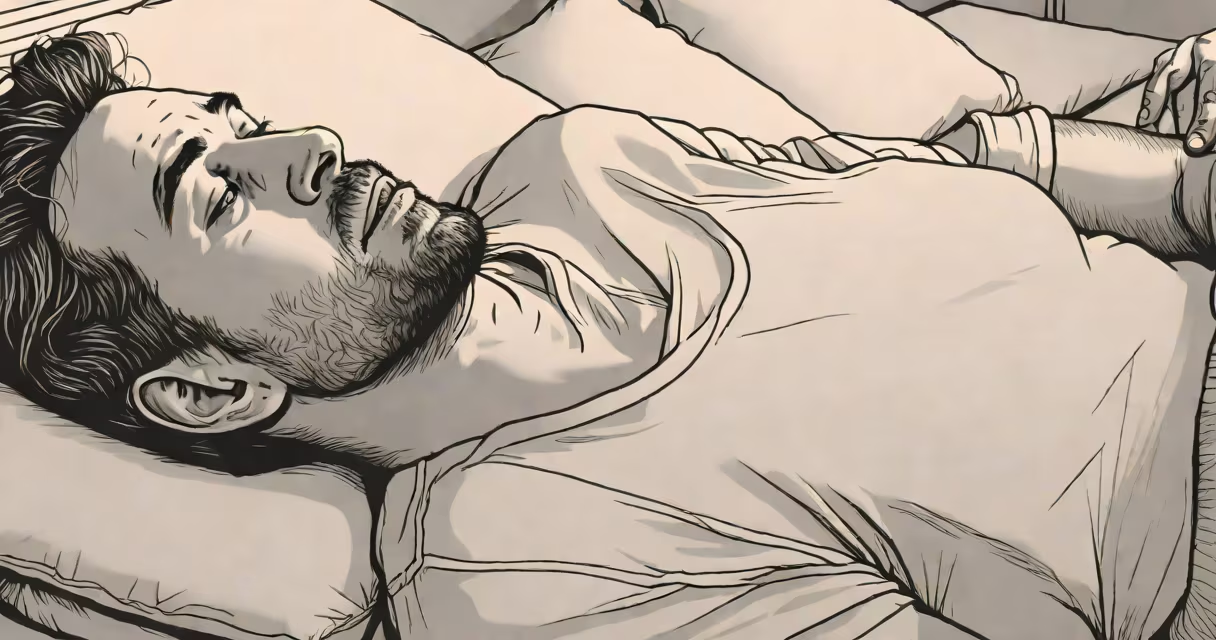
A cough that occurs exclusively when lying down is most commonly caused by gastroesophageal reflux disease (GERD), where stomach acid flows backward into the esophagus during recumbency. This position reduces the natural barrier between the stomach and esophagus, allowing acid to irritate the airway and trigger coughing.
When upright, gravity helps keep stomach contents down. Lying flat removes this protection. Acid can then travel up the esophagus and reach the upper airway, especially the larynx and vocal cords. The body responds by initiating a cough reflex to clear the irritation. This mechanism explains why the cough typically begins within minutes of lying down and resolves upon sitting or standing.
According to the American College of Gastroenterology, up to 40% of chronic cough cases in adults are linked to GERD, even in people who don't report heartburn. The cough may be the only symptom of reflux, making it easy to misdiagnose. A 2021 study in Respiratory Medicine found that 68% of patients with nocturnal cough had abnormal acid exposure in the esophagus during sleep, confirming reflux as a primary driver.
Gravity plays a key role in preventing acid reflux. Standing or sitting keeps the lower esophageal sphincter (LES)-a ring of muscle at the top of the stomach-closed against pressure from the abdomen. When lying down, the LES loses this advantage. Abdominal pressure increases relative to the esophagus, pushing acid upward.
Even mild reflux episodes can cause irritation in the sensitive tissues of the upper airway. The larynx contains numerous nerve endings that detect foreign substances. When acid reaches this area, it activates sensory nerves, triggering a cough reflex. This is a protective response to prevent aspiration and damage to the lungs.
Research published in Journal of Neurogastroenterology and Motility shows that reflux events during sleep are more likely to occur in the supine position and are associated with higher levels of cough frequency compared to other positions. Patients with silent reflux-where no heartburn is felt-often report coughing only at night or when lying down, which underscores the importance of recognizing positional symptoms.
While GERD is the leading cause, other conditions can produce a cough limited to the lying-down position. These include postnasal drip, obstructive sleep apnea, and certain medications.
Postnasal drip occurs when mucus drains from the sinuses into the back of the throat. Lying down allows mucus to pool, irritating the airway and causing a chronic cough. This is common in people with allergies or sinusitis. A 2019 study in Clinical and Experimental Allergy found that 35% of patients with chronic cough had postnasal drip as a contributing factor, with symptoms worsening in supine posture.
Obstructive sleep apnea (OSA) involves repeated breathing interruptions during sleep. The effort to restart breathing increases negative pressure in the chest, which can pull stomach contents upward. This mechanical effect may trigger reflux and subsequent coughing. OSA is often underdiagnosed, especially in non-obese individuals. The American Academy of Sleep Medicine notes that up to 20% of patients with unexplained chronic cough have undiagnosed OSA.
Some medications, such as ACE inhibitors (used for high blood pressure), are known to cause a dry, persistent cough. This cough may worsen when lying down due to changes in airflow and mucus distribution in the airways. However, unlike GERD-related cough, medication-induced cough usually persists regardless of position.
| Condition | Key Features | Positional Pattern |
|---|---|---|
| GERD-related cough | Chronic dry cough, no heartburn, improves when upright | Onset within 5-10 minutes of lying down |
| Postnasal drip | Thick mucus, sore throat, nasal congestion | Worsens after lying down; clears when sitting up |
| Obstructive sleep apnea | Loud snoring, daytime fatigue, gasping during sleep | Cough during apneic events; often fragmented sleep |
| Medication-induced | Persistent dry cough, no positional variation | Continuous, not tied to posture |
Many assume that a cough only when lying down must be asthma or bronchitis. But asthma typically causes wheezing, shortness of breath, and coughing triggered by allergens or exercise-not solely by posture. Bronchitis involves mucus production and often presents with fever or recent illness, neither of which are required for positional coughing.
A critical distinction is that GERD-related cough rarely produces phlegm. If you're coughing up mucus, especially yellow or green, infection is more likely. A 2020 review in European Respiratory Review noted that productive cough in a supine position is more consistent with respiratory infections or chronic bronchitis than reflux.
Another misconception is that heartburn always accompanies reflux-induced cough. In fact, many patients with laryngopharyngeal reflux (LPR)-a form of silent reflux-experience no heartburn at all. Instead, they report hoarseness, frequent throat clearing, or a sensation of a lump in the throat. This makes diagnosis challenging without specialized testing.
Consider a 45-year-old woman who reports coughing every night within five minutes of lying down. She has no daytime cough, no cold symptoms, and denies heartburn. Her cough lasts 10-15 minutes and stops when she sits up. She drinks coffee in the morning and eats dinner late, but avoids alcohol and spicy foods.
Her history suggests a positional cough pattern. After ruling out asthma with spirometry and infection with a chest X-ray, her doctor recommends a 24-hour pH impedance test. Results show frequent acid reflux episodes during sleep, particularly in the supine position. She's diagnosed with silent GERD and starts treatment with a proton pump inhibitor (PPI) and lifestyle changes.
After four weeks, her cough resolves completely. This case illustrates how a seemingly minor symptom-coughing only when lying down-can point to a treatable condition with significant impact on quality of life.
If your cough occurs only when lying down and persists for more than three weeks, consult a healthcare provider. Chronic coughing can lead to vocal cord strain, disrupted sleep, and reduced daily function. Early evaluation prevents unnecessary treatments and identifies reversible causes.
Red flags include waking up gasping, choking, or feeling like something is stuck in your throat. These suggest severe reflux or sleep apnea. Also consider evaluation if you've lost weight unintentionally, have difficulty swallowing, or notice blood in your spit.
I've seen patients delay care for months because they believed their cough was "just a cold." One man finally sought help after his wife noticed he was coughing during sleep. He was diagnosed with silent reflux and treated successfully. His sleep improved, and his energy returned within two weeks.
Recognizing that a cough only when lying down is often a sign of reflux-and not just a lingering cold-leads to faster relief and better outcomes. Addressing the root cause prevents long-term complications and restores restful sleep.