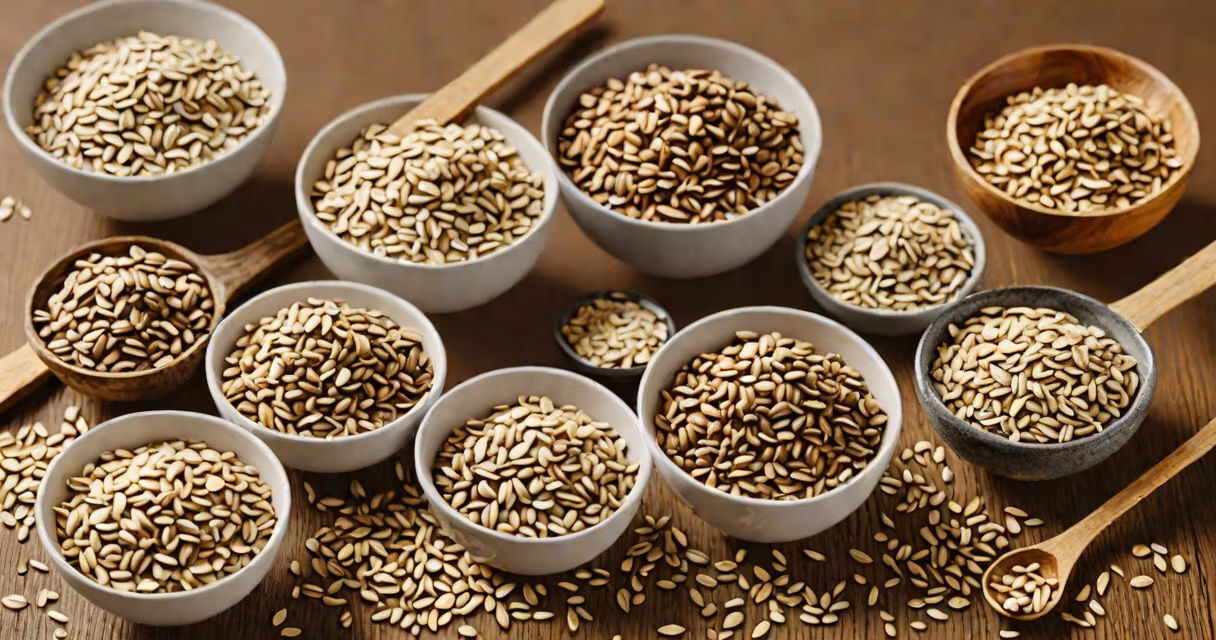
Steel-cut, rolled, and old-fashioned oats are the most nutritious forms of oats because they undergo minimal processing and retain their natural fiber and complex carbohydrates. Instant oats often contain added sugars and have a higher glycemic index, making them less ideal for sustained energy and blood sugar control.
Oats begin as whole grain groats-hulled and dried Avena sativa seeds. The degree to which these groats are processed determines the final product's texture, cooking time, and nutritional profile. Minimally processed oats preserve beta-glucan, a soluble fiber linked to lower LDL cholesterol and improved insulin sensitivity.
The American Heart Association notes that consuming 3 grams of beta-glucan daily from oats can reduce heart disease risk. Whole-grain oats provide this amount consistently; heavily processed versions do not. Healthier options maintain the grain's intact structure, slowing digestion and preventing blood sugar spikes.
Processing strips away layers of the oat kernel, altering nutrient density and metabolic impact. The three primary types differ in how much they're crushed, flattened, or precooked.
Steel-cut oats are made by chopping whole oat groats into small pieces using a steel blade. This method preserves the grain's cellular structure. They take 15-20 minutes to cook and have a chewy, nutty texture. Because they're not flattened, they digest slowly, leading to steady glucose release.
Old-fashioned or rolled oats are steamed and then flattened between rollers. The rolling process increases surface area, reducing cooking time to about 5 minutes. Despite being processed, they remain whole grain and retain most of their fiber and protein. The USDA confirms that rolled oats contain 4 grams of fiber per 1/2 cup dry serving.
Instant oats are precooked, dried, and often heavily milled. They require only hot water and cook in under a minute. However, this extreme processing destroys much of the grain's structural integrity. A 2019 study in BMJ Open found that instant oats led to higher postprandial glucose levels compared to steel-cut varieties.
| Type | Processing Level | Fiber (per 1/2 cup dry) | Cooking Time | Glycemic Index |
|---|---|---|---|---|
| Steel-cut | Low (whole groat, chopped) | 4 g | 15-20 min | 42 |
| Rolled (old-fashioned) | Medium (steamed & flattened) | 4 g | 5 min | 55 |
| Instant | High (precooked, milled) | 3 g | <1 min | 70 |
Steel-cut oats rank highest for health due to their low glycemic index and high fiber retention. Rolled oats follow closely, offering nearly equal benefits with faster preparation. Instant oats fall short-despite convenience, they deliver less nutritional bang per calorie.
A common misconception is that "oatmeal" means instant oats. But traditional oatmeal refers to any cooked form of whole oats. The term lacks specificity and often misleads consumers into thinking all versions are equivalent.
In a 2021 clinical trial at the University of Toronto, participants consumed 100 grams of dry oats in three forms: steel-cut, rolled, and instant. Blood glucose was measured hourly for four hours post-consumption.
Steel-cut oats produced a gradual rise, peaking at 110 mg/dL after 60 minutes. Rolled oats peaked at 125 mg/dL. Instant oats reached 148 mg/dL, the highest among all groups. Participants reported greater satiety with steel-cut oats, aligning with research showing beta-glucan slows gastric emptying.
This experiment demonstrates that processing matters. Even if two oat types have similar calories and macros, their metabolic effects differ.
Many packaged instant oats contain added sugars, syrups, or flavor enhancers. A single serving of flavored instant oatmeal can contain 15-20 grams of sugar-nearly half the recommended daily limit for women.
Check ingredient labels. Healthy oats list only "oats" or "oat groats." Avoid products with "sugar," "corn syrup," "dextrose," or "natural flavors" unless you're certain they're plant-based and unprocessed.
I once prepared a batch of chocolate-flavored instant oats for breakfast. After eating, my energy dipped sharply within 45 minutes. Switching to steel-cut oats with cinnamon and walnuts stabilized my blood sugar and kept me focused through morning meetings. That shift changed my routine.
Steel-cut and rolled oats are the healthiest choices. They provide sustained energy, support gut health, and improve cardiovascular markers. Instant oats may be convenient, but their high glycemic index and frequent sugar content make them less suitable for long-term wellness.
When shopping, prioritize plain, unflavored varieties. Look for "100% whole grain" on the label. Avoid anything labeled "instant" unless it contains no added sugar and is minimally processed.
For optimal results, choose steel-cut oats for maximum fiber and slow digestion. Rolled oats offer a practical middle ground. Save instant oats for rare occasions when speed is essential-and always check the ingredients.
Understanding what types of oats are healthy ensures you get the full benefit of this ancient grain. Prioritize structure over speed. Your metabolism will thank you.
See how different skeletal structures affect movement and stability in animals and humans.