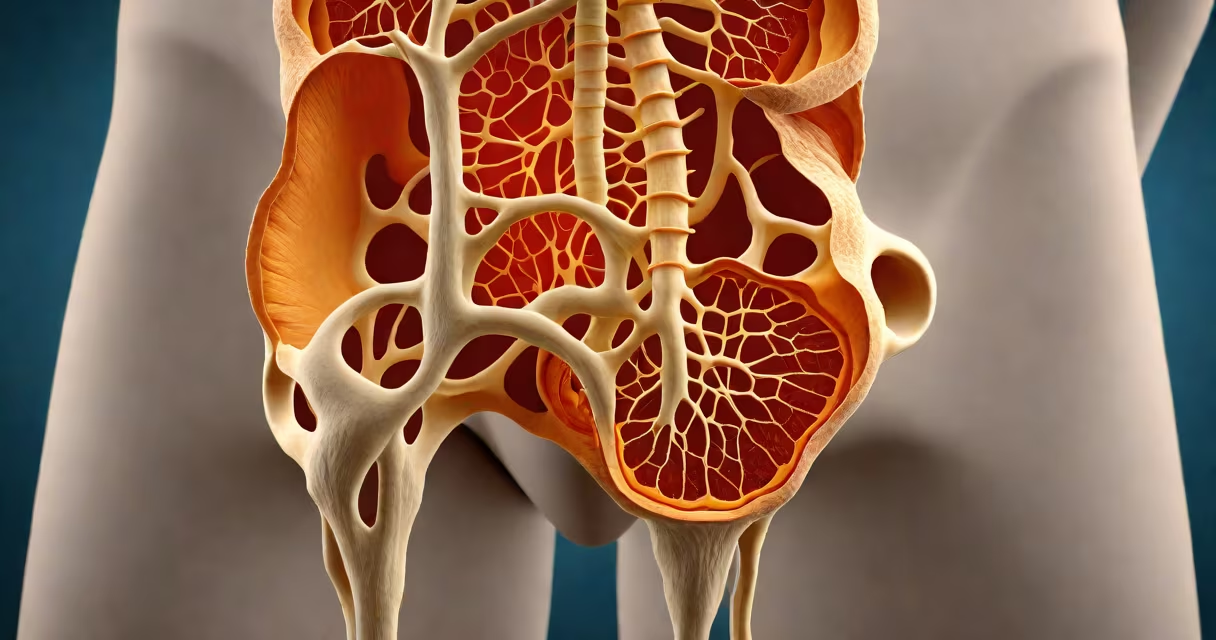
Inflamed prostate, medically known as prostatitis, results from infection, immune system reactions, or nerve-related irritation. It's not a single condition but a group of disorders affecting the prostate gland, causing pain, urinary changes, and discomfort. Symptoms often mimic other urological issues, making accurate diagnosis essential.
Prostatitis accounts for about 10% of urology visits in men under 50, according to the American Urological Association (AUA). The condition falls into four categories: acute bacterial, chronic bacterial, chronic pelvic pain syndrome (CP/CPPS), and asymptomatic inflammatory prostatitis. Only the first two involve confirmed bacterial infection. The others stem from non-infectious triggers, including immune dysregulation and nerve hypersensitivity.
Common signs include pelvic pressure, frequent urination, burning during urination, and pain in the lower back or perineum. These symptoms can persist for weeks or months, especially in CP/CPPS, which affects up to 10% of men at some point in life. Misdiagnosis is common-many patients receive antibiotics despite no bacterial presence.
The prostate is a walnut-sized gland located below the bladder and surrounding the urethra. Its primary role is to secrete fluid that nourishes sperm. When inflamed, this tissue swells, compressing the urethra and disrupting urine flow. Swelling also irritates nearby nerves, leading to persistent pelvic pain.
Bacterial prostatitis occurs when bacteria enter the prostate via the urethra, often during urinary tract infections or sexual activity. Common culprits include *Escherichia coli*, *Klebsiella*, and *Proteus*. In rare cases, bacteria spread through the bloodstream from distant infections. Acute bacterial prostatitis presents suddenly with fever, chills, and severe pelvic pain. Without treatment, it can lead to abscess formation.
Non-bacterial forms arise from immune system misfires. In CP/CPPS, the body attacks prostate tissue as if it were foreign, even without infection. Nerve pathways in the pelvis become oversensitive, amplifying pain signals. Stress and psychological factors may worsen symptoms, though they don't initiate the condition.
Understanding the type of prostatitis determines treatment. The AUA classifies them based on symptoms, lab findings, and response to therapy.
| Type | Key Cause | Duration | Diagnosis Criteria |
|---|---|---|---|
| Acute Bacterial | Bacteria entering urethra | Less than 3 months | Fever, positive urine culture, elevated CRP |
| Chronic Bacterial | Recurrent UTIs, biofilm formation | More than 3 months | Positive semen or expressed prostatic secretions culture |
| Chronic Pelvic Pain Syndrome (CP/CPPS) | Immune reaction, nerve sensitivity | Over 3 months | No bacteria found; pain persists despite antibiotics |
| Asymptomatic Inflammatory | Unknown; detected incidentally | Variable | Elevated white blood cells in prostatic fluid, no symptoms |
CP/CPPS is the most common form, affecting roughly 90% of non-bacterial cases. It's often mislabeled as "chronic prostatitis" in patient forums and older medical texts. This confusion leads to inappropriate antibiotic use, which harms gut microbiota and increases resistance risk.
A key insight: nerve irritation can persist long after the initial trigger resolves. A 2021 study in *The Journal of Urology* found that 60% of men with CP/CPPS had normal prostate cultures but showed abnormal sensory nerve activity in pelvic MRI scans. This suggests neurological sensitization, not infection, drives ongoing pain.
Many assume all prostate inflammation stems from infection. That's false. Antibiotics help only in bacterial cases. Using them for CP/CPPS wastes resources and risks side effects like diarrhea and fungal overgrowth.
Another myth: prostatitis causes prostate cancer. There's no evidence linking the two. The American Cancer Society confirms that prostatitis does not increase cancer risk. However, both conditions can coexist, complicating symptom interpretation.
A 38-year-old software engineer reported six weeks of pelvic burning, urgency, and nighttime awakenings. He'd had a recent urinary tract infection treated with ciprofloxacin. After completing antibiotics, symptoms continued. Urinalysis was negative for nitrites and leukocyte esterase. Prostate-specific antigen (PSA) levels were normal.
He underwent a post-prostatic massage test. Fluid analysis revealed no bacteria but high white blood cell counts. Diagnosis: chronic pelvic pain syndrome. He was prescribed alpha-blockers (tamsulosin) and low-dose nortriptyline for nerve modulation. Within eight weeks, his pain score dropped from 8/10 to 2/10. He resumed running and returned to work without medication.
This case illustrates that inflammation doesn't require infection. The brain interpreted pelvic signals as pain even after the original insult resolved. Treatment focused on nervous system regulation, not antimicrobials.
Seek care if you have fever, chills, or sudden urinary retention. These indicate acute bacterial prostatitis requiring urgent antibiotics. Delayed treatment raises the risk of abscesses or sepsis.
For persistent pelvic pain lasting over three months, see a urologist. A detailed history, physical exam, and urine culture are standard. In complex cases, transrectal ultrasound or cystoscopy may be needed.
Self-treatment with herbal supplements like saw palmetto is widespread but unsupported by strong evidence. A 2020 Cochrane review found no significant benefit over placebo in reducing prostatitis symptoms. Avoid unregulated products that claim to "shrink the prostate" or "clear infection."
What can cause inflamed prostate? Infection, immune dysfunction, nerve hypersensitivity, and lifestyle stressors. Accurate diagnosis separates treatable causes from chronic pain syndromes. Early intervention prevents long-term disability. Don't ignore persistent pelvic discomfort-get tested.