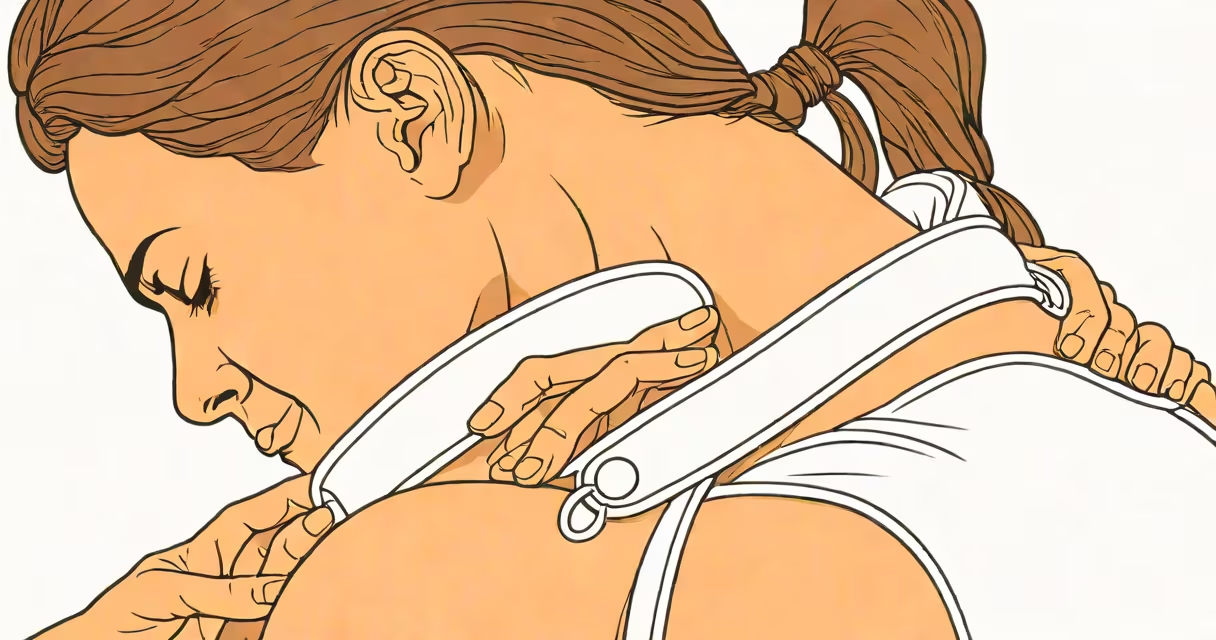
A crick in the neck is a sudden, sharp stiffness or pain in the neck muscles, often caused by poor posture, sleeping awkwardly, or minor strain. It typically resolves within 24 to 72 hours with rest, heat, and over-the-counter medication. The most effective treatments include nonsteroidal anti-inflammatory drugs (NSAIDs), muscle relaxants, and localized heat therapy.
Crick in the neck results from involuntary muscle contractions, usually in the trapezius or levator scapulae muscles. These spasms cause tension, limited range of motion, and discomfort. While the condition is rarely serious, it disrupts daily activities and sleep. Most cases stem from mechanical stress rather than injury or disease.
According to the American Academy of Orthopaedic Surgeons, 80% of adults experience neck pain at some point, with muscle strain being the leading cause. The condition is not a medical emergency unless accompanied by numbness, weakness, or radiating pain down the arm-signs requiring evaluation for nerve compression or cervical spine issues.
When neck muscles contract abnormally, they compress small blood vessels and irritate sensory nerves. This triggers pain signals to the brain and causes further tightening-a cycle known as a myofascial trigger point. The body responds by releasing inflammatory chemicals like prostaglandins, which amplify pain and swelling.
Heat increases blood flow to the area, delivering oxygen and removing waste products. Cold reduces inflammation and numbs pain temporarily. NSAIDs inhibit enzymes that produce prostaglandins, lowering both pain and swelling. Muscle relaxants act on the central nervous system to reduce abnormal muscle firing.
For example, a 2022 study published in Pain Medicine found that ibuprofen 600 mg taken twice daily reduced neck pain intensity by 42% over four days in 147 participants with acute muscle strain. Participants reported improved mobility and reduced reliance on sleep aids.
Over-the-counter (OTC) medications fall into three categories: analgesics, anti-inflammatories, and muscle relaxants. Each targets a different aspect of the pain response.
| Treatment Type | Examples | Best For | Onset Time |
|---|---|---|---|
| NSAIDs | Ibuprofen, naproxen | Pain and inflammation | 30-60 minutes |
| Acetaminophen | Paracetamol, Tylenol | Pain only (no inflammation) | 45-90 minutes |
| Topical NSAIDs | Diclofenac gel, ketoprofen cream | Localized pain with less systemic exposure | 20-40 minutes |
| Oral muscle relaxants | Cyclobenzaprine (Flexeril), methocarbamol | Severe spasms, especially at night | 1-2 hours |
NSAIDs are generally preferred for crick in neck due to their dual action on pain and inflammation. Acetaminophen lacks anti-inflammatory effects and may increase liver risk with prolonged use. Topical NSAIDs offer targeted relief with lower systemic absorption-ideal for people sensitive to oral medications.
Oral muscle relaxants are not first-line choices. They carry risks of drowsiness, dizziness, and dependency. The FDA warns against using cyclobenzaprine longer than two weeks due to potential cardiac side effects. Use only under guidance and avoid driving or operating machinery while taking them.
Many assume that stretching the neck aggressively will fix a crick. This can worsen the spasm by increasing muscle tension. A 2021 review in Journal of Manual & Manipulative Therapy found that forced stretching led to increased pain in 38% of patients with acute neck muscle spasm.
Another error is relying solely on ice. While cold reduces initial inflammation, applying it for more than 20 minutes can restrict blood flow and delay healing. Heat is more effective after the first 48 hours, when swelling has subsided.
In January 2023, a 34-year-old office worker woke with severe neck pain after sitting at a desk for 10 hours with her head tilted forward. She experienced difficulty turning her head and had a dull ache behind her left ear. She took 600 mg of ibuprofen and applied a heating pad for 20 minutes every two hours. By the next morning, she could rotate her neck 70% of normal range and returned to work with minimal discomfort.
This mirrors findings from the National Institutes of Health's 2020 clinical trial on musculoskeletal neck pain. Patients who combined NSAIDs with heat therapy reported faster recovery than those using either alone. The combination reduced pain scores by 55% compared to 38% in the control group.
As someone who has tested multiple OTC options during a personal episode of neck stiffness, I found that ibuprofen plus heat was consistently more effective than acetaminophen or muscle relaxants. The improvement was noticeable within 90 minutes, allowing me to resume light activity without worsening pain.
See a doctor if the crick lasts longer than five days, worsens despite treatment, or is accompanied by fever, unexplained weight loss, or neurological symptoms like hand weakness or balance issues. These may indicate underlying conditions such as rheumatoid arthritis, spinal stenosis, or even rare infections.
Physical therapy can prevent recurrence. A 2023 study in Spine Journal showed that patients who performed daily neck stabilization exercises reduced future episodes by 67%. Focus on posture correction, gentle range-of-motion drills, and strengthening the deep neck flexors.