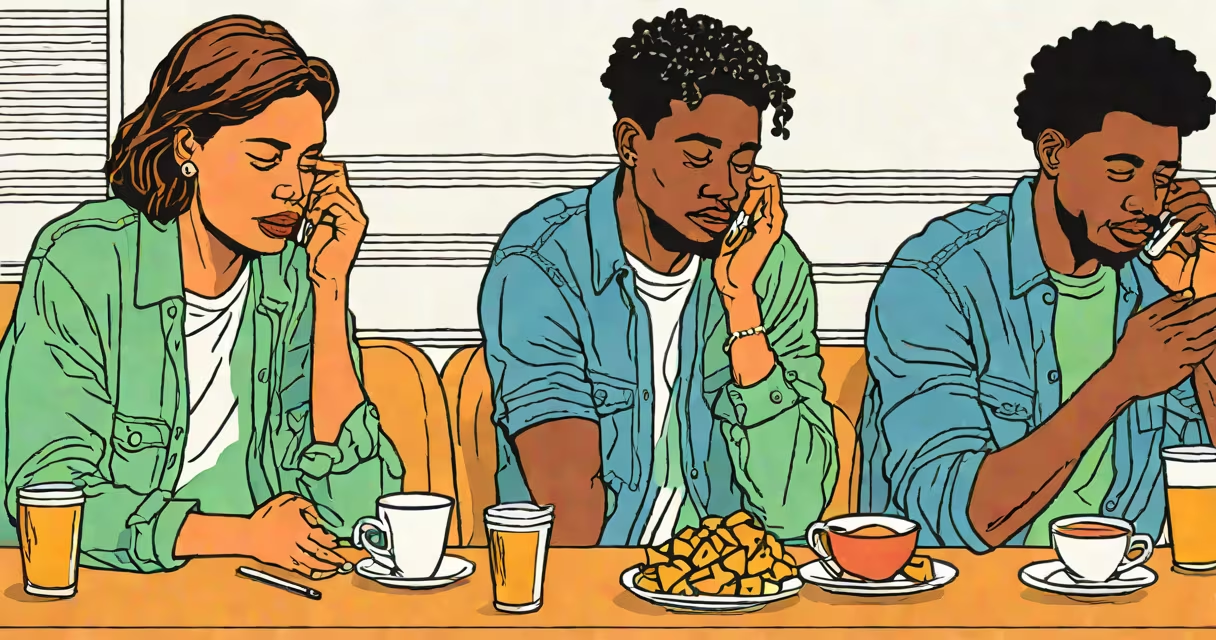
A bad friendship is defined by consistent imbalance, emotional harm, or lack of reciprocity-where one person consistently gives more than they receive, or where behavior erodes trust, respect, or personal well-being. These relationships often feel draining, leave you questioning your self-worth, and may involve manipulation, dishonesty, or emotional neglect.
Friendships thrive on mutual effort, shared values, and emotional safety. When those elements vanish, the connection shifts from supportive to damaging. A bad friendship doesn't always involve overt conflict-it can be silent, passive-aggressive, or rooted in subtle patterns that degrade your mental health over time.
According to the American Psychological Association, chronic exposure to emotionally draining relationships increases cortisol levels, contributing to anxiety and depression. The absence of healthy boundaries, fairness, or empathy marks the difference between a strained friendship and a truly harmful one.
Bad friendships often operate through emotional asymmetry. One person dominates conversations, dismisses concerns, or uses guilt to maintain control. The other person adapts-suppressing their needs, avoiding conflict, or over-apologizing-to preserve the relationship.
These dynamics persist because humans are wired to avoid social rejection. Even when a friendship causes stress, people stay due to fear of isolation. The brain releases dopamine during social interaction, making withdrawal difficult-even when the cost is high. This explains why people remain in bad friendships long past the point of emotional sustainability.
For example, a friend who repeatedly cancels plans last-minute without apology, then expects you to drop everything when they're available, creates a power imbalance. Over time, this pattern leads to resentment, missed opportunities for growth, and diminished self-esteem.
Not all one-sided relationships are toxic-but when certain behaviors dominate, the friendship becomes destructive. The following traits signal a bad friendship:
| Behavior | Why It's Harmful | Real-World Example |
|---|---|---|
| Emotional manipulation | Uses guilt, shame, or flattery to control actions | "You never have time for me, but I'm always there." |
| Lack of reciprocity | Only one person initiates contact or shares personal details | Always texting first, never getting replies or follow-ups |
| Disrespect for boundaries | Dismisses privacy, asks invasive questions, ignores "no" | Calling at midnight to vent about work, despite being told not to |
| Constant negativity | Focuses on problems without offering solutions or support | Every conversation ends with complaints about life, job, or others |
These patterns aren't isolated incidents-they form a consistent pattern of erosion. Research from the University of California, Berkeley shows that people in unbalanced friendships report higher stress levels and lower life satisfaction, even when they claim to enjoy the relationship.
Many people confuse conflict with toxicity. Disagreements happen in healthy friendships. The key difference lies in how conflict is handled. A bad friendship avoids accountability, escalates blame, or uses silence as punishment.
Another common error is equating emotional intensity with depth. A friend who shares deeply about trauma, fears, or insecurities may seem "real," but if they never reciprocate or help, the exchange becomes one-way emotional labor. This is not intimacy-it's burden-sharing.
Here's a non-obvious distinction: Not all bad friendships are loud or dramatic. Some are quiet. They don't involve shouting or betrayal. Instead, they wear down your confidence slowly-through constant comparison, subtle criticism, or being excluded from group decisions. These are harder to spot but equally damaging.
I once had a friend who always praised my appearance but mocked my career choices. She'd say, "You're so talented," then laugh when I mentioned applying for jobs. Her compliments felt hollow. After six months, I realized she wasn't celebrating me-she was keeping me small. That's a classic sign of a bad friendship: validation that undermines autonomy.
If you find yourself frequently apologizing, making excuses for your friend's behavior, or feeling anxious before reaching out, the friendship is likely harming your mental state. The American Psychological Association notes that persistent emotional exhaustion from relationships correlates strongly with increased risk of burnout and depressive episodes.
Consider whether the friendship supports your goals, values, and sense of self. Does it encourage growth? Or does it reinforce doubt, fear, or isolation?
Recognizing a bad friendship isn't failure-it's self-awareness. You don't have to cut ties immediately. But you do need to set boundaries. Start small: limit calls, stop sharing personal updates, or disengage from group chats where you're ignored.
Understanding what makes a bad friendship is the first step toward building healthier connections. It's not about finding perfect people-it's about recognizing when a relationship drains you instead of lifting you up.
True friendship should feel safe, respectful, and balanced. When it doesn't, the solution isn't to fix the other person-it's to protect your peace.