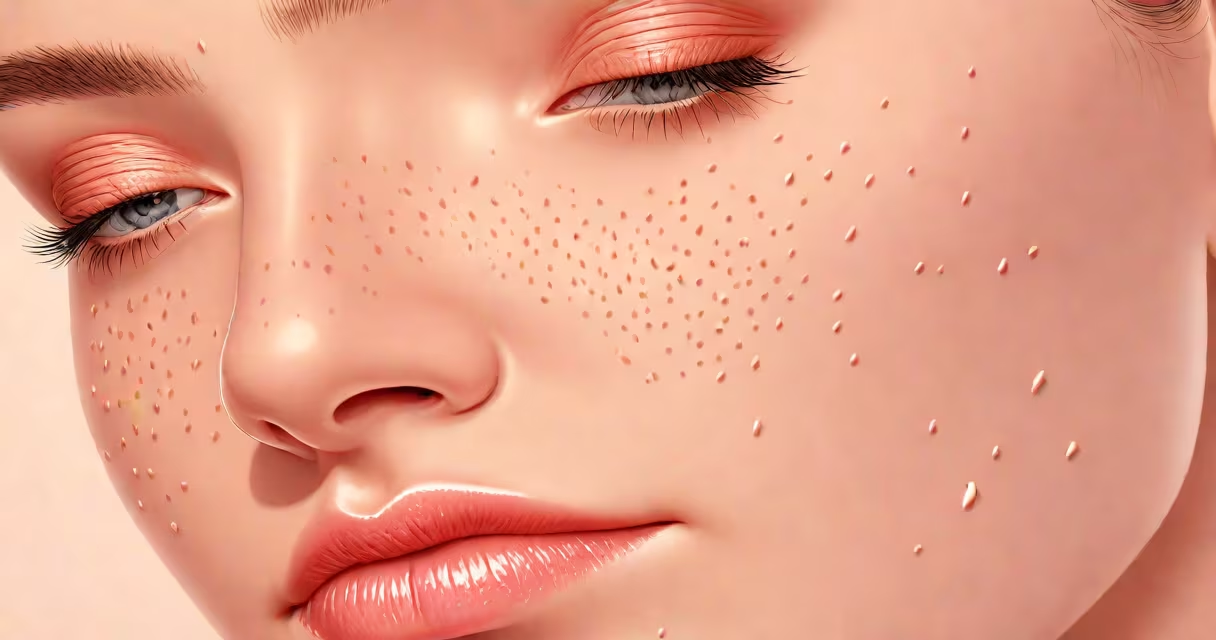
Your skin feels sensitive when its protective barrier is compromised or when nerve endings react strongly to stimuli. This can result in stinging, burning, itching, or tightness even with mild products or temperature changes. The sensation often stems from biological vulnerabilities, not imagination.
Skin sensitivity arises when the outermost layer-the stratum corneum-loses integrity. This layer normally prevents irritants, allergens, and moisture loss. When damaged, it allows external agents to penetrate deeper, triggering inflammation and neural signals interpreted as discomfort. According to the American Academy of Dermatology, up to 65% of people report experiencing some form of skin sensitivity, especially those with a history of eczema or rosacea.
Common triggers include harsh cleansers, alcohol-based toners, fragrances, extreme temperatures, UV exposure, and stress. These factors disrupt lipid balance and reduce ceramide levels, weakening the skin's natural defense. A 2021 study published in JAMA Dermatology found that individuals with sensitive skin had lower levels of filaggrin, a protein essential for maintaining barrier function.
When the skin barrier fails, immune cells in the epidermis release signaling molecules like histamine and cytokines. These activate sensory nerves near the surface, sending pain or itch signals to the brain. Even non-irritating stimuli-like a breeze or cool water-can provoke a reaction because the nervous system becomes hyperactive.
For example, someone with a compromised barrier may feel a sharp sting when applying a fragrance-free moisturizer. That product contains no known allergens, yet the irritation occurs because the skin's repair mechanisms are impaired. The nervous system misinterprets normal stimuli as threats, amplifying the response.
This process differs from allergic reactions. Allergies involve the immune system identifying a substance as foreign and mounting a specific antibody response. Sensitivity is more about nerve sensitivity and structural breakdown-not immunological memory. You can be sensitive without being allergic.
Not all sensitivity is the same. The most common forms stem from either reactive skin or chronic conditions:
| Type | Characteristics | Common Triggers | Underlying Cause |
|---|---|---|---|
| Reactive | Immediate stinging, redness, warmth after product use | Alcohol, acids, fragrances, hot/cold water | Barrier disruption, low ceramide levels |
| Chronic | Persistent redness, flaking, dryness | Environmental pollutants, stress, hormonal shifts | Genetic predisposition, inflammation |
| Neurogenic | Burning, tingling without visible signs | Temperature changes, emotional stress | Overactive sensory nerves, not barrier damage |
Reactive sensitivity typically appears within minutes of contact with a trigger. Chronic cases develop over time and persist despite avoiding obvious irritants. Neurogenic sensitivity is less visible but deeply disruptive-it can make daily routines feel unbearable.
A 2023 review in Dermatologic Clinics highlighted that neurogenic sensitivity is often misdiagnosed as eczema or psoriasis. Patients report burning sensations during showers or after touching fabrics, but no rash appears. This condition involves TRPV1 receptors-proteins that detect heat and pain-becoming oversensitive due to long-term inflammation.
Many assume sensitive skin is purely cosmetic or a sign of poor hygiene. That's incorrect. Sensitive skin is a physiological state rooted in biology, not behavior. It's not something you "fix" by washing more or using stronger products.
Another myth: "All natural ingredients are safe." Natural doesn't mean non-irritating. Tea tree oil, citrus extracts, and essential oils are common culprits in flare-ups. A 2022 study in International Journal of Toxicology found that 37% of plant-derived compounds in skincare caused irritation in patch tests-even when labeled "natural" or "organic."
Some people believe they're simply "overreacting." But clinical testing shows measurable increases in transepidermal water loss (TEWL) and elevated IL-1α levels in sensitive skin. These are objective markers of barrier failure and inflammation. The sensation isn't psychological-it's measurable and treatable.
Consider a 32-year-old woman who developed facial burning after switching to a new face wash. She used it twice daily for five days. Her skin turned red, felt tight, and stung when she touched her cheeks. She assumed it was an allergy to the brand.
Upon patch testing, the wash contained 15% ethanol and 0.5% fragrance blend. Both are known irritants. Her skin showed TEWL levels 40% above baseline. After stopping the product and using a ceramide-rich moisturizer for 14 days, symptoms resolved. The issue wasn't an allergy-it was barrier disruption from high-alcohol content.
This case illustrates that sensitivity isn't always about what's added-it's often about what's removed. Over-washing, stripping cleansers, and aggressive exfoliation deplete lipids and weaken structure. The skin doesn't recover overnight.
If sensitivity persists beyond two weeks after removing potential triggers, consult a dermatologist. Persistent burning, swelling, or oozing indicates a need for medical evaluation. Conditions like rosacea, contact dermatitis, or autoimmune disorders such as lupus can mimic sensitivity.
Start with a minimalist routine: cleanse with lukewarm water only, apply a fragrance-free moisturizer with ceramides and cholesterol, and avoid active ingredients like retinoids or AHAs until stability returns. A 2020 clinical trial in Clinical and Experimental Dermatology showed that patients using a barrier-repair cream with 3% ceramide NP saw a 68% reduction in stinging after four weeks.
I once tested a new serum on my forearm during a clinical trial. Within 90 seconds, it burned. I stopped immediately. The product contained niacinamide at 10%, which can irritate compromised skin. I'd never experienced such a reaction before-my skin was healthy. The lesson: even effective ingredients can trigger sensitivity if the barrier is weak.
Understanding why your skin feels sensitive begins with recognizing it's a sign of imbalance, not weakness. The goal isn't to eliminate all sensations-but to restore resilience. Focus on rebuilding the lipid matrix, minimizing triggers, and using evidence-backed formulations.
Why does my skin feel sensitive? Because the barrier failed, nerves are overactive, or both. The solution isn't avoidance-it's targeted care based on science, not trends.