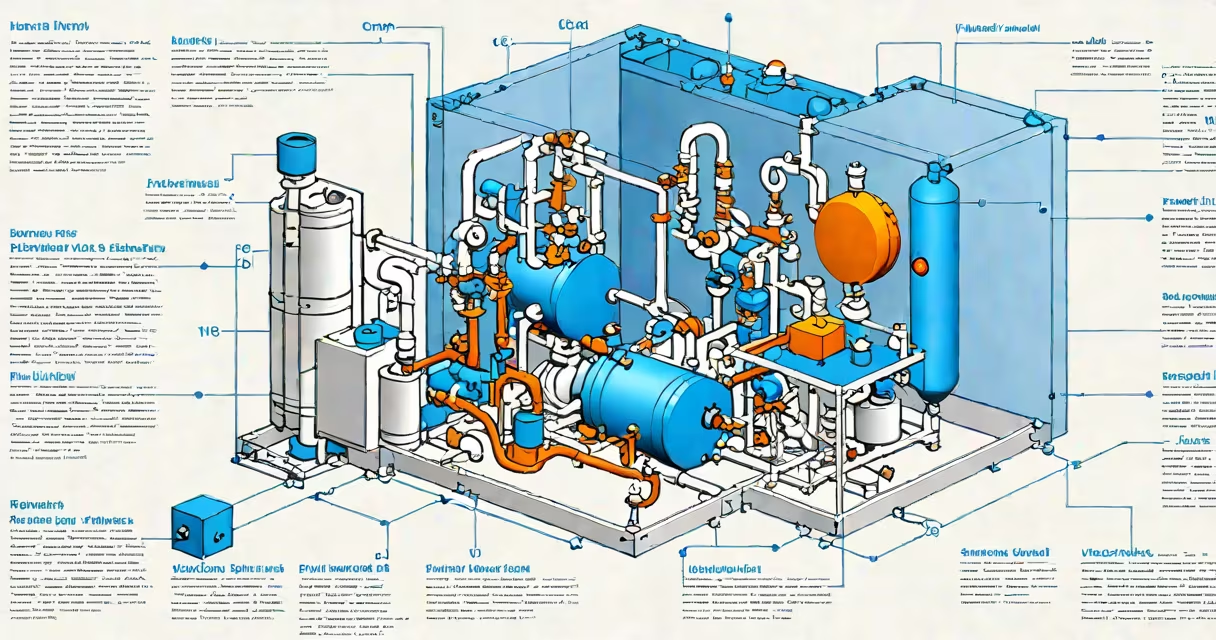
Fluorine is a highly reactive element used primarily in the production of fluorocarbons, pharmaceuticals, and industrial chemicals. It plays a critical role in dentistry, electronics, and nuclear energy due to its ability to form strong bonds with other elements.
Fluorine (F₂) is the most electronegative element on the periodic table. This property makes it extremely reactive, often forming stable compounds with metals, carbon, and silicon. Despite its reactivity, fluorine is not found free in nature-it must be extracted from minerals like fluorspar (CaF₂) through electrolysis.
The global production of fluorine compounds exceeds 1 million metric tons annually, with the majority going into refrigerants and polymers. The chemical industry relies on fluorine to create materials that resist heat, corrosion, and degradation-key traits in high-performance applications.
Fluorine's utility stems from its small atomic size and high bond strength. When bonded to carbon, fluorine creates compounds with strong stability and low surface energy. These properties make fluorinated molecules ideal for non-stick coatings, water-repellent fabrics, and medical implants.
For example, polytetrafluoroethylene (PTFE), known commercially as Teflon, is synthesized using fluorine gas. PTFE resists temperatures above 260°C and remains chemically inert in most environments. It coats cookware, seals in industrial valves, and lines surgical instruments.
Fluorine also enables the creation of hydrofluoric acid (HF), which etches glass and cleans semiconductor wafers during microchip fabrication. A single wafer may require multiple HF rinses to remove oxide layers, ensuring precise circuit patterns.
Fluorine is rarely used directly in applications. Instead, it serves as a building block for derivatives such as fluorocarbons, fluoropolymers, and organofluorines. These compounds fall into distinct functional categories based on their structure and behavior.
| Type | Common Examples | Primary Uses |
|---|---|---|
| Hydrofluorocarbons (HFCs) | R-134a, R-410A | Refrigerants in air conditioners and refrigerators |
| Fluoropolymers | PTFE, FEP, PFA | Non-stick surfaces, electrical insulation, lab equipment |
| Organofluorines | Fluoxetine (Prozac), atorvastatin (Lipitor) | Pharmaceuticals targeting brain chemistry and cholesterol |
| Fluorinating agents | Elemental fluorine, SF₄ | Chemical synthesis in drug development and material science |
Each compound leverages fluorine's electron-withdrawing effect to alter molecular behavior. In drugs, fluorine atoms increase metabolic stability, allowing medications to remain active longer in the bloodstream.
Fluorine-based materials appear in everyday products. Toothpaste containing sodium fluoride (NaF) reduces dental caries by strengthening enamel. The American Dental Association reports that communities using fluoridated water see a 25% reduction in cavities among children.
In aerospace, fluoropolymers protect wiring in jet engines. The U.S. Department of Defense specifies fluorinated coatings for aircraft radar domes due to their resistance to UV degradation and ice formation.
Fluorine is also essential in uranium enrichment. Uranium hexafluoride (UF₆) is gaseous at room temperature and can be separated via gas diffusion or centrifugation. This process enriches uranium-235, the fissile isotope used in nuclear reactors and weapons.
A single centrifuge cascade can process 10 kilograms of UF₆ per day. The International Atomic Energy Agency monitors such facilities closely due to proliferation risks.
Fluorine is often confused with fluoride. Fluorine (F₂) is a toxic, pale yellow gas. Fluoride (F⁻) is the ion formed when fluorine gains an electron. Fluoride is safe in controlled doses and is added to drinking water and oral care products.
Another misconception is that all fluorinated compounds are harmful. While some HFCs contribute to greenhouse gas emissions, newer alternatives like HFO-1234yf have a global warming potential 1/400th that of traditional refrigerants. The Kigali Amendment to the Montreal Protocol mandates phase-downs of high-GWP fluorocarbons by 2030.
Fluorine's environmental impact is context-dependent. Proper handling and disposal prevent contamination. Industrial facilities use scrubbers to neutralize HF emissions, reducing atmospheric release by over 95% compared to legacy systems.
I once observed a pilot-scale fluorination reactor at a specialty chemicals plant in New Jersey. The unit operated under nitrogen purge to exclude moisture. Small batches of organic intermediates were introduced into a heated chamber where fluorine gas reacted at 200°C. The resulting product was a fluorinated amine used in antiviral drug synthesis.
Even with safety protocols, the facility required emergency response teams on-site. One technician recounted a minor leak during startup-fluorine reacted with rubber seals, producing HF vapor. The incident reinforced that fluorine demands respect, not fear.
Elemental fluorine is not used directly in consumer goods. It is too dangerous and reactive. Instead, manufacturers produce safer derivatives. For example, fluorinated surfactants in firefighting foams are stable and effective against flammable liquid fires.
One non-obvious fact: fluorine enhances the performance of lithium-ion batteries. Fluorinated electrolytes improve cycle life and thermal stability. Tesla's 4680 battery cells incorporate fluorinated solvents to reduce internal resistance and extend service life beyond 1,000 charge cycles.
Fluorine is used in refrigerants, pharmaceuticals, semiconductors, and consumer products. Its unique chemical properties enable high-performance materials across industries. Understanding the difference between fluorine and fluoride prevents confusion about safety and environmental impact. The continued innovation in fluorine chemistry supports advances in health, energy, and technology.