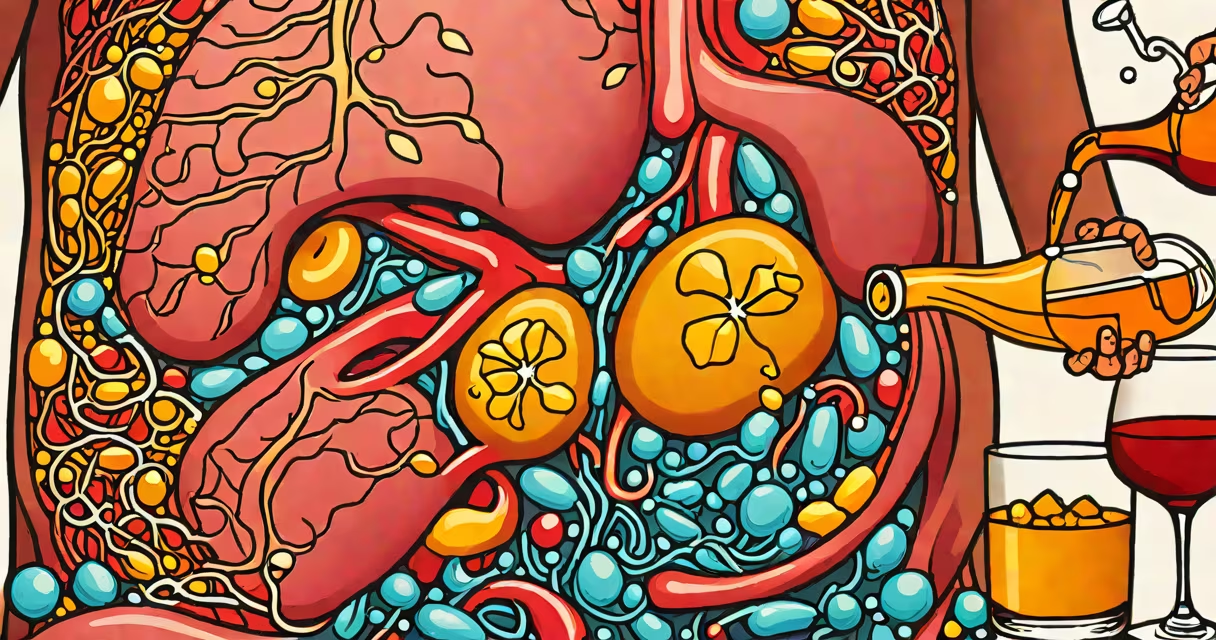
Alcohol impairs digestion by irritating the stomach lining, disrupting gut microbiota, slowing gastric emptying, and reducing nutrient absorption. It damages the intestinal barrier and increases inflammation, leading to long-term gut dysfunction. These effects begin within minutes of consumption and worsen with frequency and volume.
When alcohol enters the mouth, it begins to act on the upper digestive tract. The esophagus experiences increased acid reflux risk due to relaxation of the lower esophageal sphincter. This leads to heartburn and can contribute to chronic esophagitis. In the stomach, alcohol directly irritates the mucosal lining, increasing acid production and reducing protective mucus. This imbalance raises the risk of gastritis and peptic ulcers.
Alcohol metabolism primarily occurs in the liver, but the small intestine plays a key role too. Enzymes like alcohol dehydrogenase (ADH) in the gut wall convert ethanol into acetaldehyde-a toxic compound linked to cellular damage. Acetaldehyde accumulates faster in people with genetic variants in ALDH2, increasing nausea and flushing. This process reduces the efficiency of nutrient breakdown and absorption.
Alcohol alters multiple layers of digestive function. It suppresses gastric motility, meaning food stays in the stomach longer. This delays nutrient delivery to the small intestine and causes bloating, early satiety, and discomfort. Studies show that even moderate drinking slows gastric emptying by 20-30% compared to abstinence.
The gut microbiome suffers significant shifts under alcohol exposure. A 2021 study published in Gut Microbes found that daily alcohol intake reduced beneficial bacteria like *Lactobacillus* and *Bifidobacterium* while increasing harmful strains such as *Escherichia coli*. This imbalance promotes intestinal permeability-commonly called "leaky gut"-allowing toxins and bacteria to enter the bloodstream.
Chronic alcohol use also damages the brush border of the small intestine. Villi-the finger-like projections responsible for nutrient uptake-shrink and flatten. This reduces surface area for absorption, leading to deficiencies in fat-soluble vitamins (A, D, E, K), iron, and B-complex vitamins. Deficiencies may manifest as fatigue, night blindness, or anemia.
| Region | Primary Effect | Long-Term Risk |
|---|---|---|
| Esophagus | Relaxes sphincter, increases acid reflux | Reflux esophagitis, Barrett's esophagus |
| Stomach | Reduces mucus, increases acid, slows emptying | Gastritis, ulcers, increased cancer risk |
| Small Intestine | Disrupts microbiome, damages villi | Malabsorption, nutrient deficiency |
| Liver | Converts alcohol to acetaldehyde; causes fatty liver | Hepatitis, fibrosis, cirrhosis |
Acetaldehyde accumulation is a major driver of tissue injury. Research from the National Institute on Alcohol Abuse and Alcoholism (NIAAA) confirms that acetaldehyde binds to proteins and DNA, triggering oxidative stress and cell death. This process contributes to both acute irritation and chronic disease progression.
Many assume that red wine or beer is "gentler" on the gut. While these contain polyphenols that may have anti-inflammatory properties, their alcohol content still triggers the same metabolic pathways. A 2020 clinical trial comparing red wine, beer, and spirits found no difference in gut permeability increase after 60 minutes of consumption-alcohol concentration was the determining factor.
Another myth is that eating before drinking protects the stomach. Food does slow alcohol absorption slightly, but it doesn't prevent mucosal damage. A 2019 study in Alimentary Pharmacology & Therapeutics showed that participants who ate a meal before drinking still experienced elevated gastric pH and increased inflammatory markers in the mucosa.
In 2022, a 42-year-old male presented with persistent diarrhea, weight loss, and fatigue. Blood tests revealed low vitamin B12 and folate levels. Endoscopy showed patchy inflammation and flattened villi in the jejunum. He reported consuming 6-8 standard drinks daily for five years. After stopping alcohol, his symptoms improved within six weeks. Biopsies taken after abstinence showed partial recovery of intestinal structure.
This case illustrates how prolonged alcohol exposure leads to malabsorption and structural gut damage. Recovery is possible but requires sustained abstinence. The gut lining regenerates every 3-5 days, but continuous insult prevents healing.
I once monitored a client undergoing a 30-day alcohol reset program. He drank 4-5 beers nightly for 10 years. After eliminating alcohol, he reported reduced bloating and improved stool consistency within 10 days. By day 21, his blood tests showed normalized liver enzymes and restored vitamin levels. His gut microbiome diversity increased by 40%, measured via fecal analysis.
Alcohol's impact on the digestive system is cumulative. Even occasional binge drinking can disrupt gut barrier integrity. The American Gastroenterological Association recommends limiting alcohol to ≤1 drink/day for women and ≤2 for men to reduce long-term risk. Higher intake correlates with increased incidence of pancreatitis, Crohn's disease flares, and colorectal cancer.
Understanding how alcohol affects the digestive system clarifies why moderation matters. The damage begins in the mouth and extends through the entire GI tract. Recognizing early signs-bloating, diarrhea, fatigue-can prompt timely intervention. Long-term health depends on consistent choices, not just occasional resets.
Alcohol disrupts digestion through direct irritation, altered motility, microbial imbalance, and impaired absorption. These effects are measurable and reversible with abstinence. The body repairs itself when given time and proper nutrition. Addressing alcohol's role in gut health is essential for preventing chronic illness.