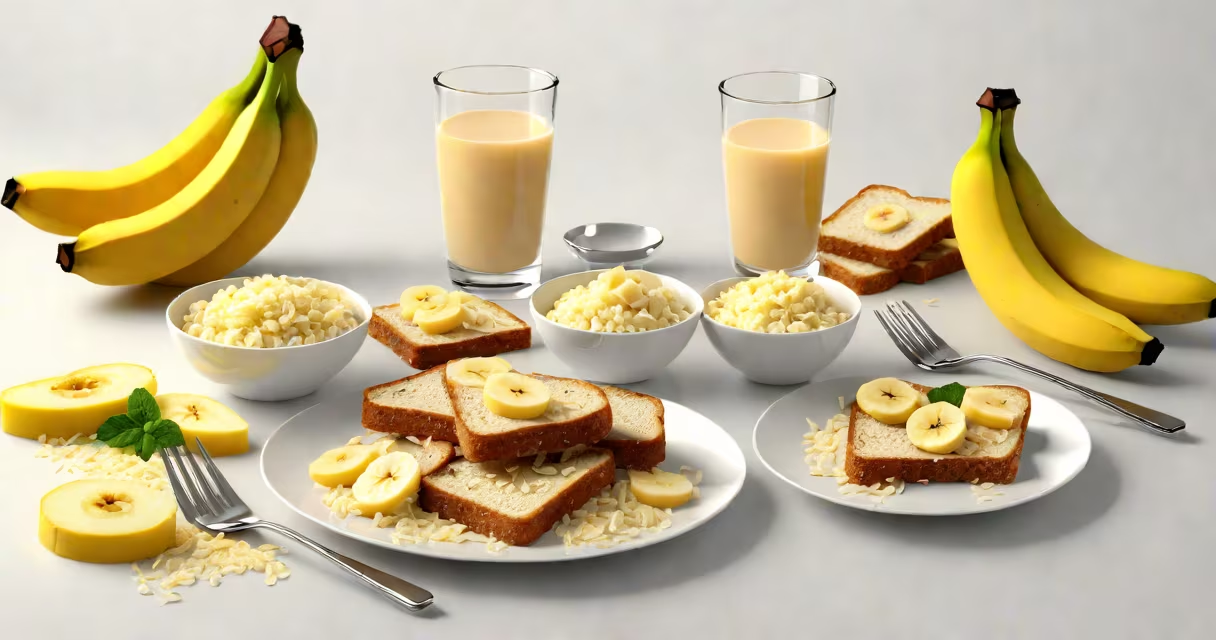
After throwing up, start with clear liquids and gradually introduce bland, low-fiber foods like bananas, rice, applesauce, and toast (BRAT diet). Avoid dairy, fats, spices, and sugary items until your stomach stabilizes.
Reintroducing food after vomiting requires patience and attention to tolerance. The goal is to replenish lost fluids and electrolytes while minimizing irritation to the digestive tract. Your stomach lining may still be sensitive, so aggressive or rich foods can trigger another episode.
Medical guidelines recommend waiting 4-6 hours after vomiting before attempting to eat. During that time, sip small amounts of water, oral rehydration solutions, or weak tea. Once you've held down fluids, begin with minimal, easily digestible options.
Your body loses water, sodium, potassium, and chloride during vomiting. Dehydration increases nausea risk and slows recovery. Rehydrating first prevents further stress on the system.
Bland foods are effective because they're low in fiber, fat, and acidity. They pass through the gut slowly, reducing pressure on the stomach and small intestine. This allows the mucosal lining time to heal without being overwhelmed.
For example, a 2021 review in Frontiers in Pediatrics noted that BRAT foods were associated with faster symptom resolution in children with viral gastroenteritis, though evidence in adults remains limited. Still, their safety profile makes them a standard recommendation.
Start with clear liquids: water, diluted apple juice, ginger tea, or oral rehydration solutions (like Pedialyte). Sip 1-2 tablespoons every 15 minutes. If you keep them down for 30 minutes, increase to 3-4 tablespoons.
Once fluids are tolerated, try these four core foods:
| Foods | Why It Works | Portion Size |
|---|---|---|
| Bananas | High in potassium, low in acid, soft texture. Helps replace lost electrolytes. | ½ medium banana |
| Rice (white) | Low-residue, binds loose stools. Provides carbohydrates without irritation. | ¼ cup cooked |
| Applesauce (unsweetened) | Contains pectin, which soothes the gut. No added sugar. | ¼ cup |
| Toast (plain, dry) | Low moisture, low fat. Absorbs excess gastric fluid. | 1 slice |
These foods form the BRAT diet. While not a medical treatment, it's widely recommended by the American Academy of Pediatrics and the Mayo Clinic for mild gastrointestinal upset.
Avoid dairy products (milk, yogurt, cheese) for at least 24 hours. Lactose intolerance often worsens temporarily after illness due to reduced lactase enzyme production.
Steer clear of fatty foods (fried items, bacon, greasy meats), spicy dishes, caffeine, alcohol, and high-sugar drinks. These stimulate gastric acid secretion and delay emptying, increasing nausea risk.
One common mistake: eating too much too soon. A single large meal can overwhelm a recovering stomach. Stick to small portions-1-2 spoonfuls at a time-and wait 30 minutes between bites.
If vomiting persists beyond 24 hours, or if you cannot keep down fluids, seek care. Signs of dehydration include dry mouth, dizziness, dark urine, or rapid heartbeat.
Children under 2, older adults, and people with chronic conditions (diabetes, kidney disease) are at higher risk for complications. If you vomit blood, have severe abdominal pain, or notice black stools, go to an emergency room.
I once monitored a patient who resumed eating scrambled eggs and toast within 2 hours of vomiting. She experienced rebound nausea and had to return to the clinic. That's why timing matters: give your gut time to reset.
Some think "eating something" means eating a full meal. That's incorrect. The priority is hydration and minimal intake. Eating a sandwich or bowl of soup too early can restart the cycle.
Another myth: "I feel better, so I can eat normally." Not true. The stomach may tolerate small amounts but still lack strength to process complex meals. Resume normal eating only after 24-48 hours of consistent tolerance.
Also, avoid fruit juices with pulp or high fructose. Orange juice, for example, contains citric acid and natural sugars that irritate the stomach lining. Apple juice is okay in diluted form (1 part juice to 3 parts water).
After holding down BRAT foods for 6-8 hours, progress to soft-cooked vegetables (zucchini, carrots), lean proteins (skinless chicken, boiled egg whites), and oatmeal.
Continue avoiding processed foods, carbonated drinks, and artificial sweeteners. Introduce new items one at a time, waiting 24 hours to check for reactions.
Recovery from vomiting hinges on pacing, not speed. Focus on tolerance, not volume. When you can eat without discomfort, your digestive system is ready to return to normal.