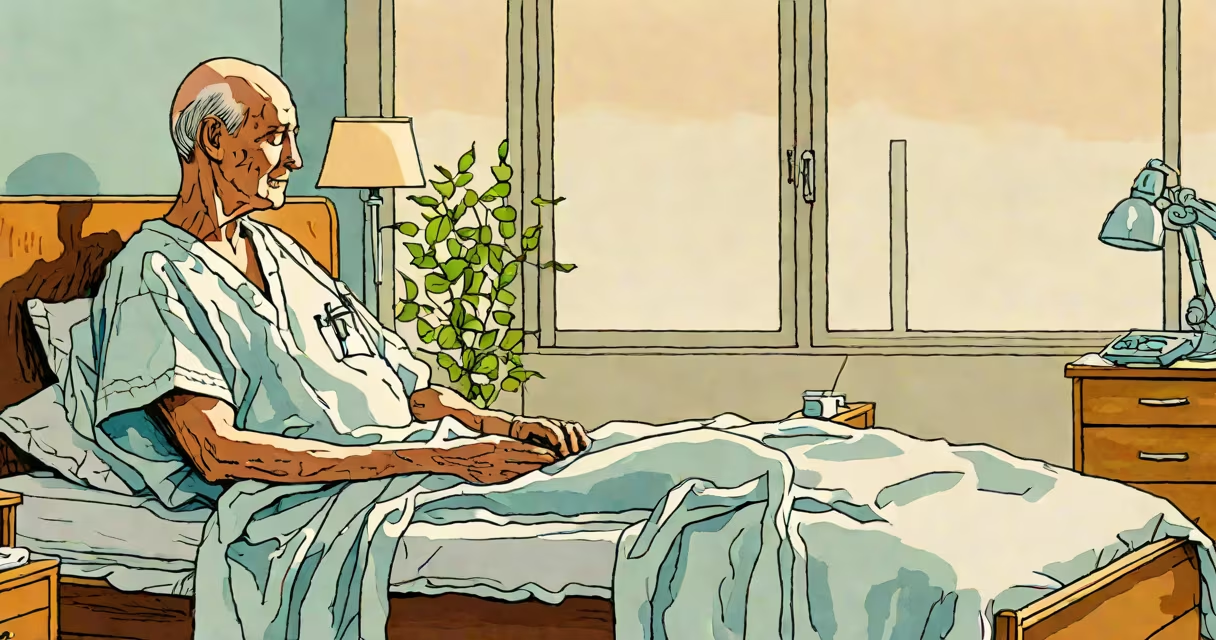
Having cancer feels like a persistent, often unpredictable mix of physical discomfort, overwhelming fatigue, and emotional strain that varies widely between individuals and cancer types. The experience is not uniform-it's shaped by tumor location, treatment side effects, and personal resilience.
Cancer doesn't announce itself with a single sensation. Some people report sharp, localized pain; others describe a dull, constant ache. Fatigue isn't just tiredness-it's a bone-deep weariness that doesn't improve with rest. Emotional states range from anxiety about the future to numbness, grief, or even moments of unexpected clarity. These feelings emerge from both biological changes and psychological adaptation.
According to the American Cancer Society, over 80% of people receiving cancer treatment report significant fatigue, and nearly half experience moderate to severe pain at some point. These numbers reflect not just disease progression but also the toll of chemotherapy, radiation, and surgery. The body's response to cancer is not a single symptom but a cascade of signals-some subtle, some intense-that disrupt normal function.
Pain from cancer arises through several mechanisms. Tumors pressing on nerves, bones, or organs trigger distinct sensations. A lung tumor may cause a deep, aching pain in the chest that worsens with breathing. A brain tumor can produce headaches that feel like pressure behind the eyes, often worse in the morning. Abdominal cancers may lead to bloating, cramping, or sharp pains due to organ distortion or obstruction.
Not all pain is localized. Systemic inflammation from cancer cells releasing cytokines can cause widespread muscle soreness and joint pain. One patient with advanced breast cancer described "a feeling like my bones were being slowly ground down," which doctors later linked to bone metastases. This kind of pain often responds poorly to standard painkillers and requires targeted treatments like bisphosphonates or nerve blocks.
A 2022 study published in JAMA Oncology found that 63% of patients with solid tumors reported pain at diagnosis, with intensity increasing as disease progressed. Pain was most commonly described as "burning," "stabbing," or "aching." The study emphasized that pain control is not optional-it's a core component of care.
The physical experience of cancer depends heavily on where the disease is located. Here's how different cancer sites manifest:
| Cancer Type | Common Physical Sensations | Underlying Cause |
|---|---|---|
| Lung cancer | Deep chest pain, chronic cough, shortness of breath | Tumor pressing on airways or pleura; fluid buildup in lungs |
| Breast cancer | Dull ache in breast or armpit, skin dimpling, nipple discharge | Tumor growth distorting tissue; lymph node involvement |
| Colorectal cancer | Abdominal cramps, bloating, blood in stool | Obstruction or ulceration in bowel wall |
| Brain cancer | Headaches, seizures, vision changes, confusion | Increased intracranial pressure; tumor mass effect |
These sensations aren't always obvious. Early-stage colon cancer may cause no pain at all-only subtle changes like altered bowel habits. That's why screening matters. A person with stage 1 colorectal cancer might feel "off" but not realize it's cancer until a routine colonoscopy detects a polyp.
One key distinction often missed: cancer pain is not always proportional to tumor size. A small tumor near a sensitive nerve can cause severe pain, while a large tumor in a less innervated area may cause minimal discomfort. This variability makes self-assessment unreliable.
Emotionally, living with cancer feels like walking through fog. Anxiety spikes around appointments, scans, and treatment decisions. Many report a sense of unreality-"I'm not really sick, but I am." Others describe emotional numbness, especially during active treatment, as if their mind is trying to protect them from overload.
Depression affects up to 25% of cancer patients, according to the National Cancer Institute. It's not just sadness-it's a loss of interest in daily life, difficulty concentrating, and feelings of guilt or burden. One woman with ovarian cancer said she felt "like a monster" because she couldn't do household tasks anymore, even though her family insisted she wasn't a burden. This disconnect between internal experience and external perception is common.
I've seen this firsthand. During a visit to a hospice clinic, a man with terminal pancreatic cancer sat quietly, hands folded. When asked how he felt, he said, "Tired. Not sad. Just... done." His calm wasn't resignation-it was acceptance. He'd spent months managing pain and making peace with his limits. His experience shows that emotional responses aren't linear-they evolve over time.
Many assume cancer always causes excruciating pain. That's false. Up to 40% of patients with early-stage cancer report no pain at all. Pain typically develops later, often when tumors grow or spread. The absence of pain doesn't mean the disease is mild.
Another misconception: cancer is always visible. But many cancers-especially blood cancers like leukemia-present with fatigue, weight loss, or frequent infections. A 35-year-old woman diagnosed with acute lymphoblastic leukemia had no lumps, no pain, just extreme exhaustion and recurring fevers. Her doctor initially suspected chronic fatigue syndrome. Only a blood test confirmed leukemia.
Some people think cancer always leads to rapid decline. But survival timelines vary widely. A 2021 analysis in The Lancet Oncology showed that 5-year survival rates for early-stage breast and prostate cancer exceed 90%. Patients live years with stable disease, sometimes managing it like a chronic condition.
There's no universal way to feel with cancer. One person may describe nausea as "a wave of heat rising from the stomach," while another calls it "a cold, metallic taste." Descriptions differ based on culture, language, and personal history. What matters is paying attention to your body and speaking openly with your care team.
Knowing what having cancer feels like isn't about fear-it's about awareness. The more accurately people can describe their symptoms, the better clinicians can respond. And the more patients understand their own bodies, the more they can advocate for care that fits their reality.