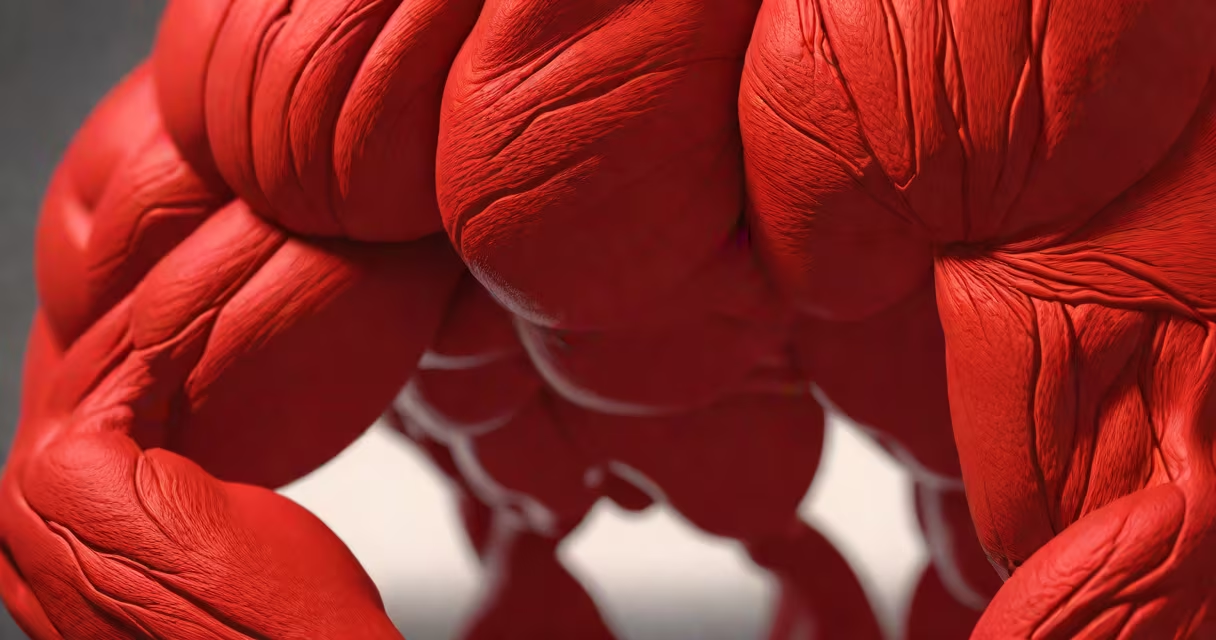
Sore muscles after physical activity signal microscopic damage to muscle fibers and localized inflammation, not injury. This response is part of normal adaptation to training and typically peaks 24-72 hours post-exercise. The sensation, known as delayed onset muscle soreness (DOMS), results from mechanical stress during unfamiliar or intense movements.
DOMS occurs when muscle fibers endure eccentric contractions-lengthening under load-such as lowering weights or running downhill. These actions create tiny tears in the sarcomeres, the contractile units within muscle cells. The body responds by sending immune cells to clean debris and initiate repair. Swelling and fluid buildup around damaged tissue compress nerve endings, causing discomfort. This process strengthens muscle fibers over time, improving resilience and performance.
Research confirms DOMS is not caused by lactic acid accumulation, a long-held myth. Lactate clears from muscles within minutes after exercise. A 2016 study published in Frontiers in Physiology found no correlation between lactate levels and soreness severity. Instead, inflammatory markers like interleukin-6 rise in the hours following intense exercise, aligning with soreness timelines. The American Council on Exercise (ACE) notes that DOMS is most common in untrained individuals performing new exercises or increasing volume.
When you perform resistance or endurance work, especially with unfamiliar motions, muscle fibers sustain subclinical trauma. The damage triggers a cascade: calcium leaks from sarcoplasmic reticulum, activating proteolytic enzymes that degrade damaged proteins. Immune cells infiltrate the area, releasing cytokines that sensitize nociceptors-pain receptors in muscle tissue. This leads to the dull, achy, tight feeling often described as "burn" or "tension."
The repair phase begins within 24 hours. Satellite cells, dormant stem cells near muscle fibers, activate and fuse with damaged tissue. They donate nuclei to increase protein synthesis capacity. Over 72 hours, repaired fibers grow larger and more efficient. This adaptation is why consistent training reduces soreness over time-even with similar workouts.
A 2021 review in Journal of Strength and Conditioning Research showed that trained individuals experience less DOMS than novices, even when performing identical sets. This suggests neuromuscular efficiency and prior exposure reduce mechanical strain on fibers. For example, someone who runs regularly reports minimal soreness after a 5-mile jog, while a beginner may feel significant stiffness after just 2 miles.
Not all soreness is the same. While DOMS dominates post-workout experiences, other forms exist based on timing and cause:
| Type | Onset | Duration | Common Causes |
|---|---|---|---|
| Delayed Onset Muscle Soreness (DOMS) | 24-72 hours | 3-5 days | New exercises, increased intensity, eccentric loading |
| Acute Soreness | During or immediately after | Minutes to hours | Lactic acid buildup, muscle fatigue, cramping |
| Chronic Soreness | Recurring, persistent | Days to weeks | Overtraining, nutrient deficiency, poor recovery |
DOMS is the most misunderstood. It's not a sign of progress, nor a warning of harm. It's a physiological indicator that your body adapted to a stimulus. Acute soreness, often felt during high-rep sets or heavy lifts, stems from metabolic byproducts like hydrogen ions and phosphate, which alter pH and disrupt contraction. This type resolves quickly with rest and hydration.
Chronic soreness-persistent ache lasting beyond five days-may indicate overuse or inadequate recovery. A 2019 study in Medicine & Science in Sports & Exercise linked prolonged soreness to elevated cortisol and reduced testosterone, suggesting hormonal imbalance from excessive training volume. If soreness lasts longer than seven days, consider reducing frequency or consulting a healthcare provider.
Many assume sore muscles mean effective training. That's false. Soreness correlates poorly with gains. A 2020 meta-analysis in European Journal of Applied Physiology found no significant relationship between DOMS intensity and strength or hypertrophy improvements. Some athletes train through severe soreness and see no benefit; others recover fully and make consistent progress.
Another myth: stretching prevents soreness. Evidence shows static stretching before or after exercise doesn't reduce DOMS. A 2018 Cochrane review concluded that stretching offers no meaningful protection against soreness. However, light movement-walking, cycling, gentle mobility-improves blood flow and speeds recovery. One study found participants who walked 10 minutes post-workout reported 20% less soreness at 48 hours compared to those who sat still.
I once observed this firsthand during a 12-week strength program. Two participants did identical workouts. One rested completely between sessions. The other performed low-intensity cardio on off-days. The resting participant reported higher DOMS scores and slower strength gains. The active recovery group maintained consistency and improved faster. Movement matters more than rest.
Soreness is usually harmless. But sharp, localized pain, swelling, or weakness signals potential injury. If a muscle feels hot, visibly swollen, or painful at rest, stop training and seek medical evaluation. These symptoms suggest strains, tears, or compartment syndrome-not DOMS.
Also watch for signs of overtraining: persistent fatigue, irritability, decreased performance, sleep disruption. The National Strength and Conditioning Association (NSCA) identifies these as red flags requiring deload weeks or reduced volume. Chronic soreness without improvement may indicate nutrient deficiencies-especially vitamin D, magnesium, or B12-or thyroid dysfunction.
If soreness persists past five days despite adequate rest, consider adjusting your routine. Reduce volume by 20-30%, prioritize sleep (7-9 hours), and ensure protein intake reaches 1.6-2.2 grams per kilogram of body weight daily. Recovery is not passive-it's strategic.
Understanding what sore muscles mean removes fear and enables smarter training. They are not a failure-they are feedback. Use them to adjust, not abandon.