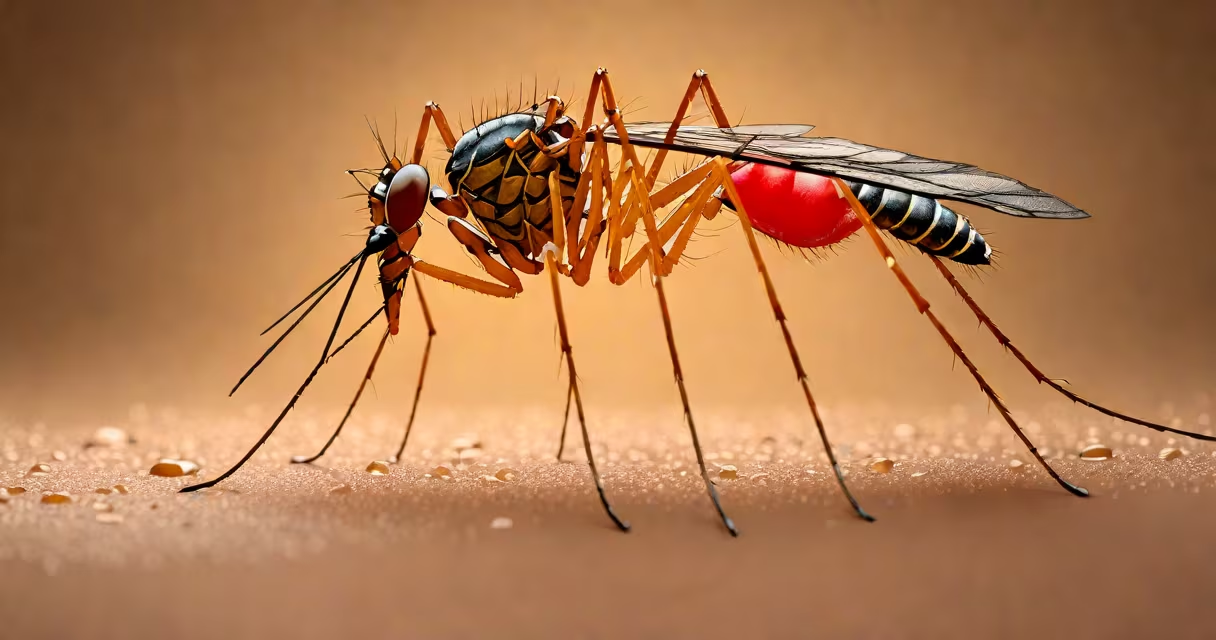
Mosquitoes transmit a range of serious viral, bacterial, and parasitic diseases to humans, including malaria, dengue fever, Zika virus, West Nile virus, and yellow fever. These diseases affect millions annually and are responsible for significant global health burdens.
Only female mosquitoes bite humans, using their proboscis to pierce skin and draw blood. They require blood meals to develop eggs. During feeding, they inject saliva to prevent clotting and introduce pathogens from their salivary glands into the bloodstream. This transmission process enables them to spread diseases efficiently across regions.
The World Health Organization (WHO) estimates that mosquito-borne diseases cause over 700,000 deaths each year. Malaria alone accounts for approximately 600,000 fatalities annually, primarily among children under five in sub-Saharan Africa. The burden is unevenly distributed, with tropical and subtropical regions bearing the heaviest toll due to favorable climate conditions for mosquito breeding.
Transmission occurs when a female mosquito bites an infected person or animal, ingesting pathogens along with the blood meal. The pathogen then replicates inside the mosquito's gut and migrates to its salivary glands. When the mosquito bites another host, it injects saliva containing the infectious agent.
This cycle requires specific environmental conditions. Mosquitoes thrive in warm, humid climates with stagnant water-ideal breeding grounds. A single female Anopheles mosquito can lay up to 200 eggs at a time, and larvae develop into adults in as little as 7 days under optimal conditions.
For example, in urban areas of Southeast Asia, Aedes aegypti mosquitoes breed in discarded tires, flower pots, and water storage containers. Their close proximity to human dwellings increases exposure risk. In contrast, Anopheles mosquitoes prefer rural, forested zones near rice paddies and natural water bodies.
Several key diseases are primarily spread by mosquitoes. The most prevalent include:
| Disease | Primary Vector | Common Symptoms | Global Impact |
|---|---|---|---|
| Malaria | Anopheles mosquito | Fever, chills, headache, vomiting; severe cases lead to organ failure | ~247 million cases in 2023; 600,000 deaths |
| Dengue | Aedes aegypti | High fever, severe joint pain, rash, bleeding; can progress to life-threatening dengue hemorrhagic fever | Over 100 million cases yearly; 10,000 deaths annually |
| Zika Virus | Aedes aegypti and Aedes albopictus | Mild fever, rash, conjunctivitis; linked to microcephaly in newborns | Widespread outbreaks in Latin America and the Caribbean (2015-2016) |
| West Nile Virus | Culex species | Most people asymptomatic; ~1 in 150 develop severe neurological symptoms | Over 50,000 cases reported in the U.S. since 1999 |
| Yellow Fever | Aedes and Haemagogus mosquitoes | Fever, jaundice, internal bleeding; mortality rate up to 20% in severe cases | Approximately 200,000 cases annually; 30,000 deaths |
These diseases differ in incubation periods and severity. Dengue typically causes symptoms within 4-10 days of infection, while West Nile virus may take 2-14 days. Malaria parasites can remain dormant in the liver for weeks before causing illness.
Not all mosquito bites result in disease transmission. Transmission depends on the presence of infected hosts, mosquito species, environmental factors, and geographic location. For example, Aedes aegypti is the primary vector for dengue in urban settings but rarely transmits malaria.
Many assume all mosquitoes carry disease. This is false. Of the roughly 3,500 mosquito species worldwide, only about 100 are known to bite humans, and fewer still transmit pathogens. Most species feed on nectar and play important roles in pollination and food webs.
Another misconception is that mosquitoes spread HIV or hepatitis B. They do not. These viruses cannot survive or replicate in mosquito tissues. The mechanics of blood feeding prevent cross-contamination between hosts. Studies confirm no evidence of HIV transmission via mosquito bites, even in high-prevalence regions.
A lesser-known fact: Some mosquitoes can transmit diseases through transovarial transmission-where pathogens pass from mother to offspring via eggs. This mechanism allows certain viruses, such as dengue and Zika, to persist in mosquito populations during dry seasons, enabling rapid resurgence when rains return.
In Brazil, the Zika outbreak began in 2015 and spread rapidly across Latin America. Over 1.5 million suspected cases were reported. Public health officials linked the virus to microcephaly-a condition where infants are born with abnormally small heads and underdeveloped brains.
Investigations confirmed that Aedes aegypti mosquitoes were the primary vector. The outbreak prompted widespread travel advisories, especially for pregnant women. The CDC issued guidelines advising travelers to use insect repellent, wear long sleeves, and stay in screened or air-conditioned accommodations.
During this period, researchers discovered that Zika could also be sexually transmitted. This added complexity to control efforts. However, mosquito control remained central-fogging campaigns, larvicide use, and community clean-ups reduced breeding sites by up to 60% in some neighborhoods.
Effective prevention relies on interrupting the transmission cycle. Key methods include eliminating standing water, using bed nets treated with insecticide, applying EPA-approved repellents like DEET or picaridin, and deploying indoor residual spraying in endemic areas.
According to the WHO, insecticide-treated bed nets reduce malaria-related child mortality by 20%. In urban settings, community-based surveillance programs have successfully reduced dengue incidence by monitoring mosquito breeding sites and responding quickly.
I once observed a public health team in Jakarta conduct weekly inspections of drainage systems in slum neighborhoods. They identified 12 breeding sites in one district and treated them with larvicidal soap. Within six weeks, local dengue cases dropped by 40%-a tangible outcome of targeted, on-the-ground action.
Emerging technologies include genetically modified mosquitoes designed to suppress wild populations. The World Mosquito Program uses Wolbachia bacteria-infected Aedes aegypti to reduce dengue transmission. Trials in Australia, Indonesia, and Brazil show reductions in dengue cases by up to 77% in intervention zones.
Sub-Saharan Africa faces the greatest burden of malaria. Countries like Nigeria, Democratic Republic of the Congo, and Uganda report over 80% of global cases. In contrast, dengue is most prevalent in Southeast Asia, Central America, and parts of South America.
West Nile virus is endemic in North America, Europe, and parts of Africa. The U.S. reports around 2,000 cases annually, mostly in late summer. Yellow fever remains a threat in parts of West and Central Africa and tropical South America, despite available vaccines.
Travelers should consult the CDC's destination-specific guidance before visiting high-risk areas. For example, travelers to parts of Central America may need yellow fever vaccination if arriving from countries with risk.
Understanding what diseases mosquitoes carry is essential for personal protection and public health planning. Knowing the vectors, symptoms, and prevention strategies empowers individuals and communities to act.
When traveling to tropical regions, always check current disease alerts. Use repellent, wear protective clothing, and consider staying in accommodations with screens or air conditioning. For those living in endemic zones, regular home inspections and community involvement are critical.
Knowing what diseases mosquitoes carry helps you make informed choices. assessing local health risks, awareness reduces vulnerability. Stay protected-your health depends on it.