Diarrhea is loose or watery stool occurring three or more times in 24 hours. To stop it quickly, focus on hydration, electrolyte balance, and temporary dietary changes. Avoid irritants like caffeine, dairy, and high-fat foods. Most cases resolve within 48 hours with rest and fluid replacement.
Acute diarrhea typically results from viral infections like norovirus or rotavirus, bacterial contamination such as Salmonella, or food intolerances. The gut lining becomes inflamed, increasing fluid secretion and reducing absorption. This leads to frequent, watery stools. Symptoms usually last less than seven days unless caused by persistent pathogens or underlying conditions.
For most people, diarrhea resolves without medication. The body's natural response clears the infection. However, interventions can shorten duration and ease discomfort. Key actions include replacing lost fluids, avoiding triggers, and introducing easily digestible foods. These steps support recovery and reduce risk of complications like dehydration.
The small intestine absorbs water and nutrients. When irritated by pathogens, toxins, or stress, it releases excess fluid into the colon. The large intestine normally reabsorbs water, but inflammation impairs this function. Result: rapid transit and poorly formed stool.
Electrolytes like sodium and potassium are lost in stool. Depletion causes muscle cramps, dizziness, and fatigue. Severe cases lead to hypotension and confusion. Children and older adults are at higher risk due to reduced fluid reserves and slower recovery.
A 2021 study published in Frontiers in Microbiology found that probiotics like Lactobacillus rhamnosus GG reduced diarrhea duration by 1.5 days in children with acute gastroenteritis. Probiotics restore gut flora balance and strengthen intestinal barrier function.
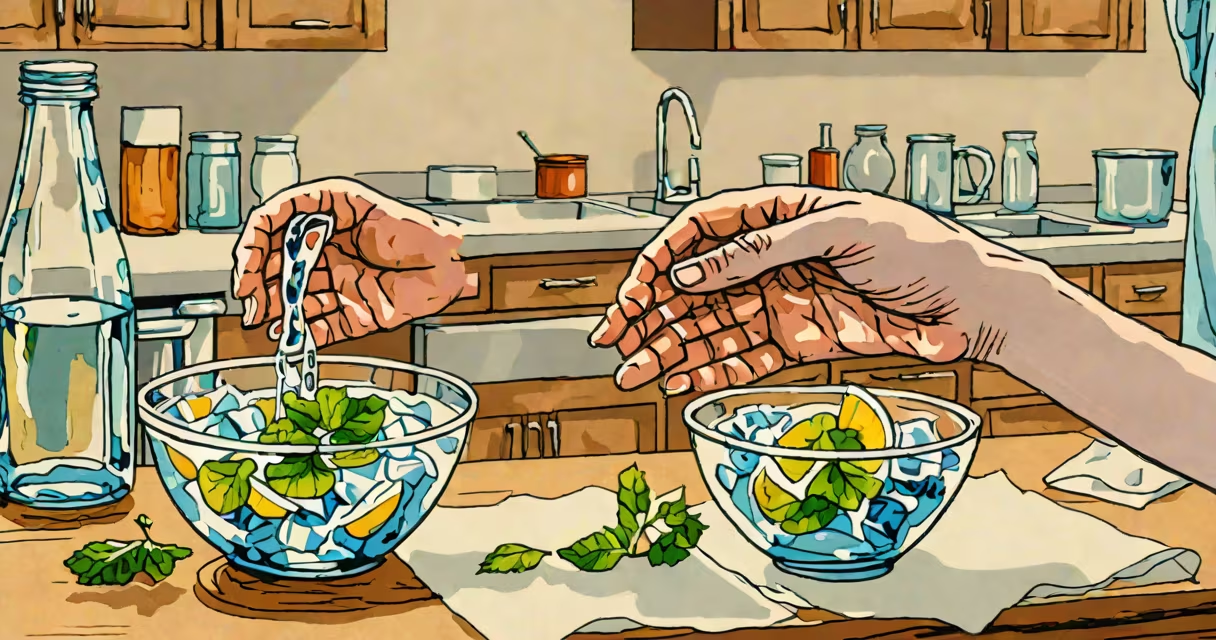
Begin with oral rehydration. Drink clear fluids such as water, diluted fruit juice, or a homemade solution: 1 liter boiled water + 6 teaspoons sugar + 1/2 teaspoon salt. Sip slowly every 15 minutes to avoid vomiting.
Stop consuming dairy, caffeine, alcohol, and fatty foods. These stimulate bowel movements and worsen irritation. Avoid spicy or highly processed meals until symptoms subside.
Introduce bland foods gradually. Start with bananas, rice, applesauce, and toast (BRAT diet). These are low-fiber and bind stool. A 2019 review in Journal of Pediatric Gastroenterology and Nutrition confirmed BRAT foods improved stool consistency in 70% of pediatric patients with mild diarrhea.
Seek care if diarrhea lasts longer than 7 days, contains blood or pus, or is accompanied by fever above 102°F (39°C). These signs suggest bacterial infection, inflammatory bowel disease, or other serious conditions.
Dehydration is a major concern. Signs include dry mouth, sunken eyes, reduced urination, and dizziness upon standing. Adults should drink at least 8 ounces of fluid every hour during illness. Infants and young children may need oral rehydration solutions like Pedialyte.
If you're taking antibiotics and develop diarrhea, contact your doctor. This could indicate Clostridioides difficile (C. diff) infection, which requires specific treatment. Up to 25% of antibiotic-associated diarrhea cases are linked to C. diff, according to the CDC.
Many assume stopping diarrhea means suppressing it with antidiarrheal drugs like loperamide. This is unsafe during infectious diarrhea. Loperamide slows gut motility, trapping pathogens and increasing toxin exposure. The FDA warns against using loperamide in cases of suspected bacterial infection.
Another error is returning to normal eating too soon. High-fiber foods like whole grains or raw vegetables can worsen symptoms. Wait until stools normalize for 24 hours before reintroducing regular meals.
Some believe drinking milk helps settle the stomach. But lactose intolerance often develops temporarily during diarrhea. The enzyme lactase decreases, making dairy hard to digest. Even if you tolerate milk normally, it may trigger bloating and worsening diarrhea during recovery.
Diarrhea falls into four categories based on cause:
| Type | Primary Cause | Duration | Common Triggers |
|---|---|---|---|
| Acute | Viral or bacterial infection | Less than 14 days | Norovirus, Salmonella, contaminated food |
| Chronic | Underlying disease | More than 4 weeks | Irritable bowel syndrome, celiac disease |
| Osmotic | Undigested substances draw water | Variable | Lactose, artificial sweeteners (sorbitol) |
| Secretory | Excess fluid secretion | Variable | Bacterial toxins (e.g., cholera), medications |
Most cases of "what can I do to stop the diarrhea" fall under acute osmotic or secretory types. Identifying the root cause guides effective management. For example, lactose intolerance requires eliminating dairy, while bacterial infection may need antibiotics.
In 2022, a 34-year-old woman developed sudden diarrhea after eating sushi at a restaurant. She experienced six loose bowel movements in 12 hours, mild cramping, and fatigue. She had no fever or blood in stool.
She began by drinking 100 mL of oral rehydration solution every 30 minutes. After two hours, her energy improved. She ate a small portion of plain rice and boiled chicken. She avoided fruit juices and dairy.
By the third day, she had only one formed stool. She resumed normal eating gradually. Her symptoms resolved completely within 48 hours without medication.
This case illustrates that most acute diarrhea resolves with hydration and dietary modification. The key is early intervention and symptom monitoring.
Focus on low-residue, low-fat, and low-fiber foods during recovery. Bananas provide potassium and pectin, which binds stool. White rice is easily digested and reduces bulk. Applesauce offers pectin and gentle carbohydrates.
Toast made from refined flour is safe. Avoid whole grain or seeded breads. Cooked carrots and boiled potatoes are acceptable. They add calories without irritating the gut.
Reintroduce fiber slowly after symptoms end. Whole grains, beans, and cruciferous vegetables can trigger gas and bloating if eaten too soon. Wait 2-3 days after normal stool returns before resuming regular meals.
Non-stop diarrhea with vomiting indicates severe infection or systemic illness. This pattern increases dehydration risk and may require medical evaluation. Persistent symptoms suggest possible parasitic infection (e.g., Giardia), autoimmune disorders, or malabsorption syndromes.
Consult a healthcare provider if diarrhea lasts beyond 7 days, recurs frequently, or occurs with weight loss, night sweats, or abdominal pain. These signs warrant testing for celiac disease, Crohn's disease, or chronic infections.
Understanding what can I do to stop the diarrhea begins with recognizing the difference between self-limiting illness and a condition needing clinical attention. Most episodes resolve with hydration and rest. When symptoms persist, seek diagnosis and targeted treatment.