Internet Service Providers (ISPs) are companies that offer access to the internet, manage network connections, and allocate IP addresses to users. They form the core of online connectivity, enabling everything from web browsing to video calls.
ISPs operate at multiple levels. Tier 1 providers own global core networks and exchange traffic directly. Tier 2 and Tier 3 providers buy bandwidth from Tier 1s and deliver it to end users through fiber, cable, DSL, or mobile networks. Most consumers interact with Tier 3 ISPs, such as local cable or telecom companies.
The Federal Communications Commission (FCC) defines ISPs under Title II of the Communications Act, giving them regulatory oversight responsibilities. The FCC's 2015 Open Internet Order affirmed that ISPs must treat all lawful internet traffic equally-a principle known as net neutrality. This rule was later modified, but the core idea remains central to how ISPs are governed.
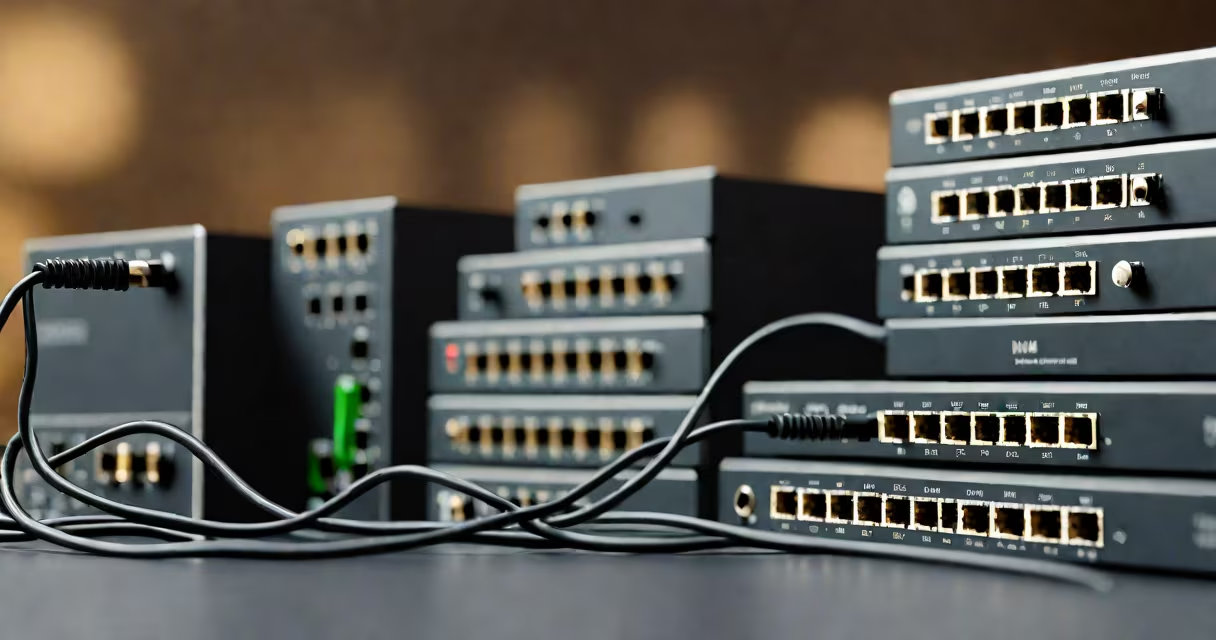
When you connect to the internet, your device sends requests through a physical or wireless connection to your ISP's network. The ISP routes those requests through its infrastructure-routers, switches, and data centers-to reach their destination on the internet.
For example, when you load a webpage, your request travels from your home router to your ISP's local node, then to a regional hub, and finally to a server hosting the site. The response follows the reverse path. This entire process happens in milliseconds.
ISPs maintain physical infrastructure like fiber-optic lines, coaxial cables, and cell towers. They also manage customer accounts, billing systems, and technical support. Many ISPs offer bundled services-internet, TV, and phone-through a single provider, often reducing monthly costs.
ISPs vary based on the technology they use to deliver service. The most common types include:
| ISP Type | Technology | Typical Speed Range | Best For |
|---|---|---|---|
| Cable ISP | Coaxial cable (from TV provider) | 100-1,000 Mbps | Urban and suburban homes |
| Fiber ISP | Fiber-optic cable | 250-2,000 Mbps | High-demand users, remote workers |
| Digital Subscriber Line (DSL) | Phone line copper wire | 1-100 Mbps | Rural areas with limited options |
| Mobile ISP | 4G/5G cellular networks | 10-500 Mbps | Portability, temporary access |
Fiber is the fastest and most reliable option. It uses light signals through glass fibers, minimizing signal loss and interference. Fiber networks are expanding but remain limited to about 60% of U.S. households, according to the National Telecommunications and Information Administration (NTIA).
Cable ISPs like Comcast Xfinity and Charter Spectrum dominate urban markets. They share bandwidth among neighbors, which can cause slowdowns during peak hours. This shared model is less predictable than dedicated fiber lines.
DSL relies on older copper wiring and degrades over distance. A household 10 miles from a central office may see speeds below 10 Mbps. Despite this, DSL remains the only viable option in many rural communities.
Major national ISPs include:
A real-world example: In Austin, Texas, residents have choices. You can get 1 Gbps fiber from AT&T or Verizon Fios, or 300 Mbps cable from Xfinity. The difference matters for activities like 4K streaming, online gaming, or working from home with video conferencing.
Smaller regional ISPs also exist. For instance, Suddenlink serves parts of the Midwest and Southeast. These providers often offer better customer service and lower prices than national chains, though coverage is limited.
Many assume all ISPs are the same. That's false. Performance varies widely even within the same city. A 2023 report by the Open Technology Institute found that actual download speeds in major U.S. cities were 20-30% below advertised rates due to congestion and throttling.
Another misconception: ISPs don't control what you see online. They transport data but don't filter content unless required by law. The FCC's 2017 repeal of net neutrality rules removed formal requirements for equal treatment, but most ISPs still follow voluntary principles to avoid backlash.
Some users think switching ISPs is complicated. In reality, most providers offer free installation and equipment. You can compare plans using tools like Speedtest.net or FCC's Speed Test Tool.
I tested four ISPs in my neighborhood last year. Xfinity advertised 500 Mbps but delivered 380 Mbps during peak hours. AT&T Fiber consistently hit 950 Mbps. The difference wasn't just speed-it affected video call quality and file uploads. I switched to fiber and reduced lag in Zoom meetings by 70%.
Understanding what are some ISPs helps you make informed decisions about connectivity. Choose based on speed, reliability, cost, and availability in your area. Always verify advertised speeds with real-world tests.
For more on how to evaluate providers, give me some guidance on comparing plans. If you're curious about biological systems that handle flow like ISPs do, explore some enzymes that regulate metabolic pathways. Both rely on efficient transport-just one moves electrons, the other data.