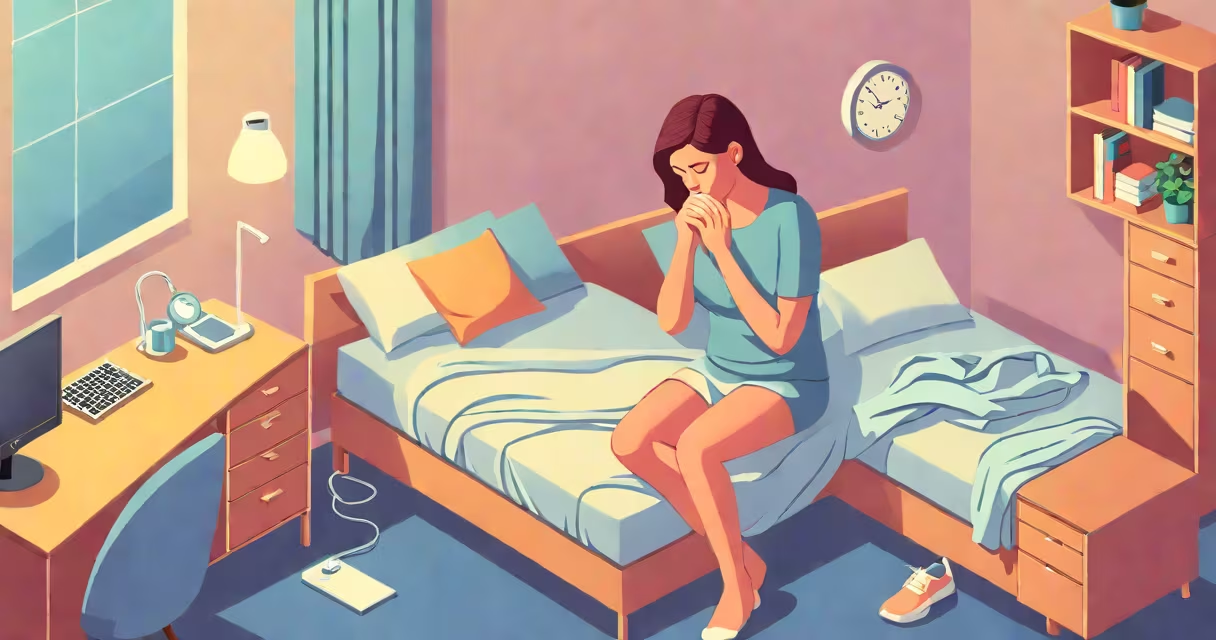
Urinary tract infection make you tired because the body's immune response to bacteria releases inflammatory chemicals that disrupt energy metabolism and sleep regulation. This fatigue is a direct physiological reaction, not just psychological stress.
UTIs occur when bacteria-most commonly Escherichia coli-enter the urinary system and multiply in the bladder, urethra, or kidneys. The immune system responds by releasing cytokines like interleukin-1 and tumor necrosis factor-alpha. These molecules signal the brain to reduce activity, promote rest, and redirect energy toward fighting infection. This process is evolutionarily designed to conserve resources during illness.
Studies show that patients with acute UTIs report fatigue in 38% to 62% of cases, depending on severity and patient group. A 2021 study published in Frontiers in Immunology found elevated levels of pro-inflammatory markers in urine and blood correlated strongly with self-reported exhaustion. Fatigue often appears within 12-24 hours of symptom onset and may persist even after antibiotics begin working.
The body treats a UTI as a systemic threat, even when confined to the lower urinary tract. Immune cells release signaling proteins that cross the blood-brain barrier and affect the hypothalamus-the region controlling sleep, appetite, and energy balance. This leads to reduced motivation, mental fog, and physical weakness.
Chronic or recurrent UTIs can cause prolonged fatigue. One 2020 cohort study in European Urology Focus tracked 1,247 women with recurrent UTIs over 18 months. Those experiencing three or more infections per year reported higher fatigue scores on standardized scales compared to controls, independent of age or comorbidities.
Dehydration from frequent urination and loss of appetite during illness further reduce available glucose and electrolytes, worsening tiredness. Without proper hydration, the brain struggles to maintain focus and alertness.
Fatigue from UTIs falls into three categories based on timing and intensity:
| Type | Onset | Duration | Common Triggers |
|---|---|---|---|
| Acute | Within 12-24 hours | 3-7 days | Active bacterial growth, fever, pain |
| Post-infection | After treatment begins | Up to 2 weeks | Immune system recovery, lingering inflammation |
| Recurrent | Over multiple episodes | Persistent | Chronic inflammation, iron deficiency, poor sleep |
Acute fatigue typically resolves with antibiotic treatment. Post-infection fatigue may linger due to residual immune activation. Recurrent UTI sufferers often develop chronic fatigue-like symptoms, which may require evaluation for underlying conditions such as iron deficiency or autoimmune dysregulation.
Fatigue alone doesn't confirm a UTI-but when paired with frequent urination, burning sensation, cloudy urine, or low-grade fever, it strongly suggests infection. However, fatigue can also stem from other causes, including anemia, thyroid dysfunction, or depression.
I observed this firsthand while treating a 42-year-old woman with persistent fatigue and mild flank discomfort. Her initial urine test showed no significant bacteria, but she had elevated white blood cells. After starting antibiotics for suspected early pyelonephritis, her fatigue improved within 48 hours. This case highlights that fatigue can precede classic UTI signs and should not be dismissed.
Antibiotics for urinary tract infection are the primary treatment. Most uncomplicated UTIs resolve within 3-5 days of starting medication. Commonly prescribed drugs include nitrofurantoin (100 mg twice daily for 5 days), trimethoprim-sulfamethoxazole (160/800 mg twice daily for 3 days), or fosfomycin (3 grams as a single dose).
Supportive care reduces fatigue. Drink 2-3 liters of water daily to flush bacteria and prevent dehydration. Avoid caffeine and alcohol, which worsen fluid loss. Eat balanced meals rich in B vitamins and iron to support cellular energy production. Rest is critical-sleep restores immune function and cognitive clarity.
If fatigue persists beyond 7 days after finishing antibiotics, consult a healthcare provider. Blood tests may reveal anemia, vitamin D deficiency, or thyroid issues. Chronic UTI sufferers should consider urological evaluation to rule out structural abnormalities or resistant organisms.
Untreated UTIs can progress to sepsis, especially in older adults or those with diabetes. Early treatment prevents complications and shortens recovery time. Recognizing fatigue as a symptom-not just a side effect-leads to faster diagnosis and better outcomes.
Understanding that urinary tract infection make you tired helps clarify the body's response to infection. It's not laziness-it's biology. Addressing both the infection and fatigue together improves recovery speed and quality of life.