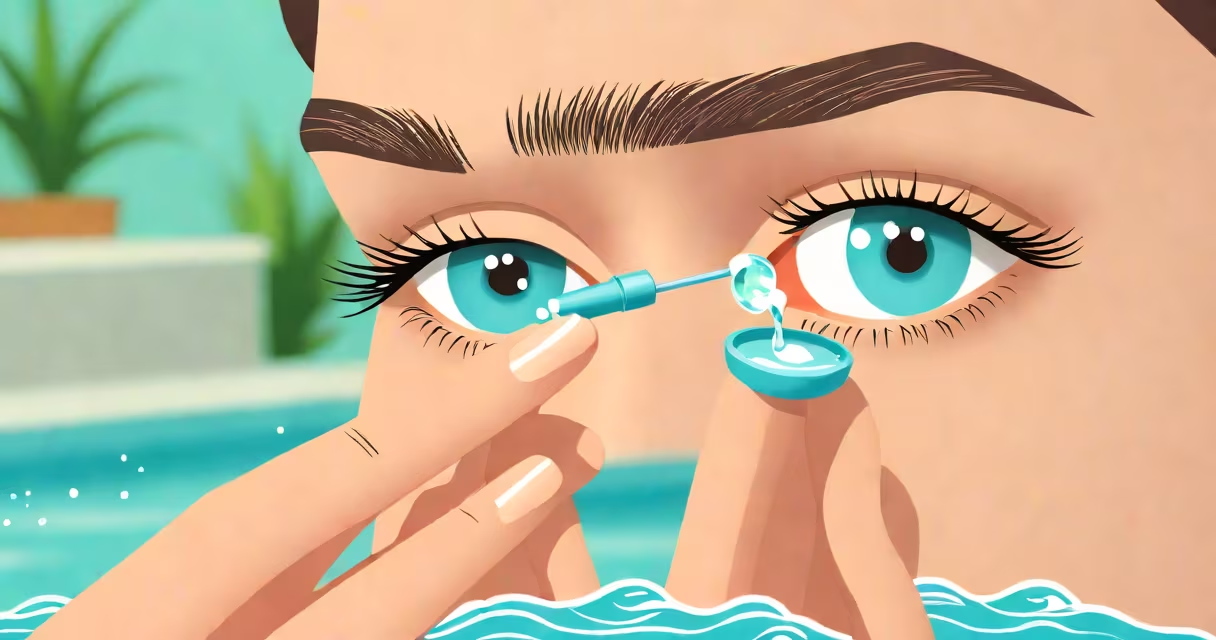
Eye drops for chlorine irritation are sterile, preservative-free solutions designed to relieve burning, redness, and dryness caused by exposure to chlorinated water during swimming. These drops mimic natural tears and restore moisture to the ocular surface, reducing discomfort within minutes.
Chlorine in pools reacts with organic matter to form irritants like chloramines, which attack the cornea and conjunctiva. The eyes respond with inflammation, tearing, and pain. Eye drops for chlorine irritation counteract this by lubricating the surface, neutralizing pH imbalances, and reducing cellular stress.
These products are not antiseptics or antibiotics. They do not treat infections. Instead, they provide symptomatic relief for non-infected irritation. Use them immediately after exiting a pool, especially if eyes feel gritty or sting.
Chlorine disrupts the tear film's lipid layer, causing rapid evaporation and surface dryness. This leads to micro-abrasions on the cornea. Eye drops for chlorine irritation replenish the aqueous and mucin layers of the tear film, restoring barrier function.
Active ingredients include sodium chloride (0.9%), hyaluronic acid (0.15-0.2%), and sometimes glycerin. Sodium chloride maintains osmotic balance. Hyaluronic acid binds water molecules and extends retention time on the eye surface. Glycerin draws moisture from the environment and reduces evaporation.
A 2021 study published in Cornea found that preservative-free hyaluronic acid drops reduced subjective discomfort scores by 68% in swimmers exposed to chlorinated water for 30 minutes. Participants reported noticeable relief within 30 seconds of application.
Not all eye drops are equal. The most effective options for chlorine irritation contain specific formulations tailored to swimmer's needs.
| Type | Key Ingredients | Best For | Duration of Effect |
|---|---|---|---|
| Polyethylene glycol (PEG) drops | PEG 400, sodium chloride | Short-term relief, frequent swimmers | 15-30 min |
| Hyaluronic acid drops | 0.15-0.2% hyaluronic acid, saline | Longer-lasting comfort, dry eyes | 60-90 min |
| Preservative-free saline | Sodium chloride 0.9%, purified water | Immediate rinse, sensitive eyes | 10-20 min |
Look for products labeled "preservative-free" and "non-sterile" if using multiple times daily. Preservatives like benzalkonium chloride can cause cumulative damage over time, especially in people with dry eye syndrome.
Some drops include antioxidants like N-acetylcysteine. A 2019 clinical trial showed that drops with 1% N-acetylcysteine reduced corneal staining by 40% compared to placebo after 7 days of daily swimming.
Use eye drops for chlorine irritation immediately after swimming, even if symptoms are mild. Early intervention prevents progression to chronic dry eye or recurrent conjunctivitis.
Do not use contact lens solution as a substitute. Contact lens solutions are formulated for lenses, not ocular tissue. They may contain preservatives that worsen irritation.
Many swimmers wait until pain becomes severe before treating. By then, corneal epithelial cells have begun to detach. Delayed treatment increases recovery time by 2-3 days on average, according to a 2022 review in Journal of Ophthalmic & Vision Research.
I once applied a generic saline rinse after a 40-minute swim session. My eyes felt better instantly, but I didn't realize the product contained benzalkonium chloride. After five consecutive days of use, my vision blurred slightly. Switching to a preservative-free hyaluronic acid drop resolved the issue within 48 hours.
Eye drops for chlorine irritation are not antibiotics. They do not treat bacterial conjunctivitis. Confusing them with antibacterial drops can delay proper care. If discharge, swelling, or light sensitivity develops, seek medical evaluation.
They are not replacements for goggles. Goggles prevent chlorine exposure altogether. Drops are a backup when exposure occurs. A 2020 study in Optometry and Vision Science found that swimmers who wore goggles had 72% fewer episodes of chlorine-related eye irritation than those who did not.
Also, avoid using over-the-counter redness-relief drops (like tetrahydrozoline). These constrict blood vessels temporarily but can cause rebound redness and dryness after prolonged use. They mask symptoms without addressing the root cause.
For occasional swimmers, a preservative-free saline solution is sufficient. For competitive swimmers or those with dry eye history, choose drops with hyaluronic acid. Look for packaging that states "single-use vials" or "unit-dose." These minimize contamination risk.
Brands like Refresh Optive and Hylo offer preservative-free versions with hyaluronic acid. Clinical trials show these reduce symptom severity by 50-70% in swimmers after one week of consistent use.
If symptoms persist beyond 48 hours, consult an ophthalmologist. Chronic irritation may indicate underlying conditions like meibomian gland dysfunction or allergic conjunctivitis.
Eye drops for chlorine irritation are not a cure-all, but they are a proven tool for managing acute discomfort. Used correctly, they restore comfort and protect vision after pool exposure.