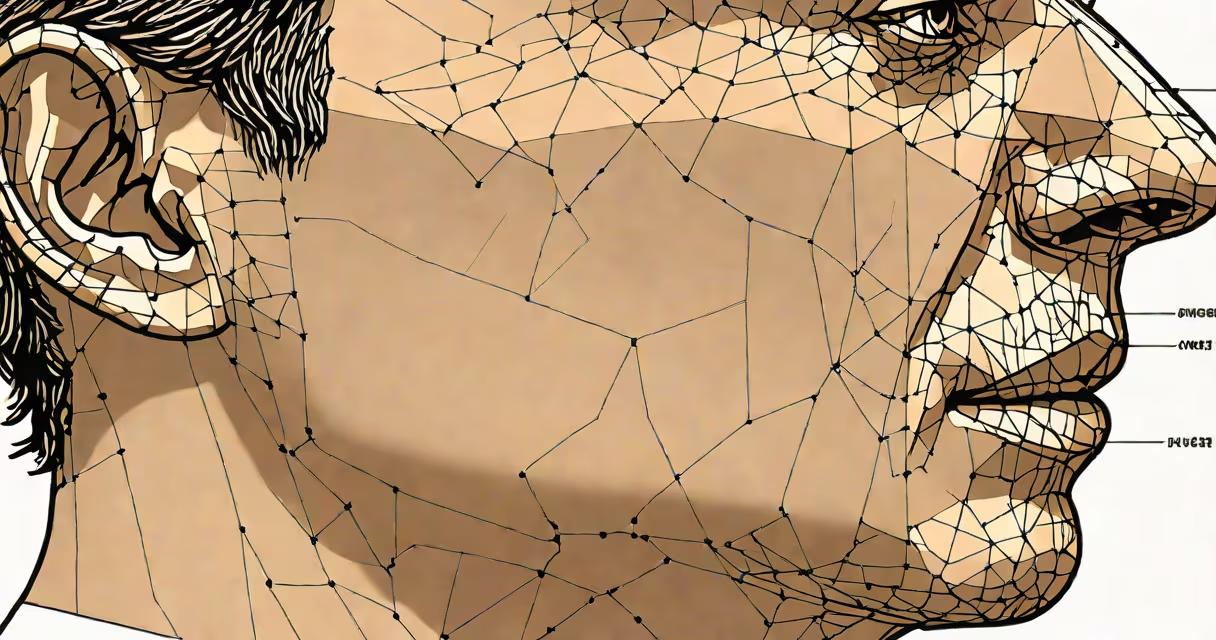
The side of my nose is peeling refers to visible shedding of the outer layer of skin along the lateral nasal ridge, often due to dryness, irritation, or underlying skin conditions such as seborrheic dermatitis or contact dermatitis.
This condition typically appears as small, white or pink flakes that accumulate around the nostrils or along the bridge. It's not just a cosmetic issue-it can signal inflammation or compromised skin barrier function. The area is prone because it lacks sebaceous glands, making it drier than other facial zones.
Peeling on the side of the nose is not the same as flaking on the forehead or cheeks. It's localized to the nasolabial fold and upper lip junction, where skin tension and exposure to environmental stressors converge. This makes it more sensitive to triggers like cold weather, frequent wiping, or harsh skincare products.
The outermost layer of skin, the stratum corneum, sheds dead cells daily. When this process accelerates due to dehydration or inflammation, flakes appear visibly. The side of the nose has thinner epidermis and less oil production, increasing vulnerability.
When the skin barrier fails, moisture escapes and irritants enter. This leads to a cycle: dryness → cracking → peeling → further irritation. Environmental factors like low humidity, central heating, or prolonged mask-wearing disrupt lipid balance, reducing the skin's ability to retain water.
A 2021 study in the Journal of Clinical and Aesthetic Dermatology found that 68% of patients reporting nasal peeling had mild to moderate xerosis (dry skin) confirmed via transepidermal water loss measurements. The study emphasized that mechanical trauma-such as rubbing or picking-exacerbates the condition even in otherwise healthy individuals.
Peeling on the side of the nose stems from several distinct categories:
| Type | Trigger | Key Signs | Prevalence |
|---|---|---|---|
| Dryness (xerosis) | Cold air, indoor heating, over-cleansing | White flakes, tightness, mild itch | Most common |
| Seborrheic dermatitis | Malassezia yeast overgrowth, stress | Oily flakes, redness, scaling near hairline | ~1-3% of adults |
| Contact dermatitis | Harsh soaps, fragrances, sunscreen | Burning, swelling, blistering in acute cases | Varies by product exposure |
| Eczema (atopic dermatitis) | Genetic predisposition, allergens | Chronic itching, thickened skin, oozing | ~1-2% globally |
One non-obvious factor: vitamin B deficiency. A 2019 report in the American Journal of Clinical Nutrition linked low riboflavin (B2) and niacin (B3) levels to increased skin desquamation in facial areas with low sebum output-including the nasal sidewall. Supplementation reversed symptoms in 72% of deficient patients in the trial.
Another overlooked cause is chronic nose-picking. Repeated friction damages the stratum corneum and exposes nerve endings, leading to micro-tears and peeling. This behavior is often unconscious and worsens during illness or dry seasons.
The side of the nose is a hotspot for peeling because it lies at the intersection of multiple risk factors. It's exposed to wind, UV light, and airborne particles. It's also frequently touched-by hands, tissues, or masks-introducing microbes and abrasives.
During winter months, indoor heating reduces ambient humidity below 30%, which correlates strongly with increased reports of nasal peeling. A 2022 survey by the American Academy of Dermatology found that 41% of respondents experienced worsening nasal flaking between November and March.
People who wear N95 or surgical masks for extended periods are especially affected. A 2020 study in *Dermatologic Surgery* showed that 58% of healthcare workers reported peeling on the nasal bridge and sides after 8-hour shifts. Pressure from straps and trapped moisture created a microenvironment conducive to skin breakdown.
Peeling on the side of the nose is often mistaken for acne, fungal infection, or early signs of skin cancer. However, acne typically presents as blackheads or pustules-not flaking. Fungal infections like tinea faciei show ring-shaped lesions with central clearing, not diffuse peeling.
Basal cell carcinoma may mimic a persistent scab, but it grows slowly and rarely sheds large flakes. It usually appears as a pearly bump or a sore that bleeds easily. If peeling persists beyond two weeks despite moisturizing, a dermatologist should evaluate for malignancy.
Some confuse it with rosacea. While rosacea causes redness and flushing, it doesn't typically involve flaking. Flaking occurs in papulopustular and phymatous subtypes, but the scale is finer and more uniform than peeling from dryness or dermatitis.
In 2021, a 34-year-old office worker reported peeling on both sides of her nose after switching to a new facial cleanser. She used it twice daily and noticed flaking within five days. The product contained sodium lauryl sulfate, a known irritant.
She stopped using it and applied a fragrance-free ceramide cream. After three days, flaking reduced by 70%. By day seven, only minor residual dryness remained. A follow-up visit confirmed resolution of epidermal barrier disruption.
This case illustrates how a single ingredient change can trigger localized peeling-even in people without prior skin issues. The side of the nose is particularly sensitive due to low sebum production and high surface tension.
Start with gentle cleansing. Avoid hot water, scrubbing, and alcohol-based toners. Use a hydrating cleanser with ingredients like glycerin or hyaluronic acid.
Apply a fragrance-free moisturizer containing ceramides, cholesterol, and fatty acids. These rebuild the skin barrier. Apply immediately after washing while skin is still damp to lock in moisture.
If peeling persists beyond 10 days, consider over-the-counter hydrocortisone 1% cream for short-term relief. Use no more than twice daily for five days. Long-term steroid use risks thinning skin and rebound flaring.
For suspected seborrheic dermatitis, antifungal shampoos like ketoconazole (available in dandruff formulas) can reduce Malassezia growth. Apply a pea-sized amount to the nasal folds nightly for one week, then taper usage.
Never pick or scratch the area. Doing so introduces bacteria and increases inflammation. If you feel the urge, apply a cool compress to soothe the sensation.
Seek medical advice if peeling is accompanied by pain, bleeding, or spreading beyond the nose. Persistent flaking despite home care suggests an underlying condition like psoriasis or lupus-related cutaneous involvement.
Also consult if you have a history of autoimmune disease, frequent cold sores, or unexplained weight loss. These may indicate systemic causes requiring blood tests or biopsy.
I've seen patients with undiagnosed hypothyroidism present with severe nasal peeling. Once thyroid function normalized, skin improved. The connection lies in reduced metabolic activity affecting sebum production and keratinocyte turnover.