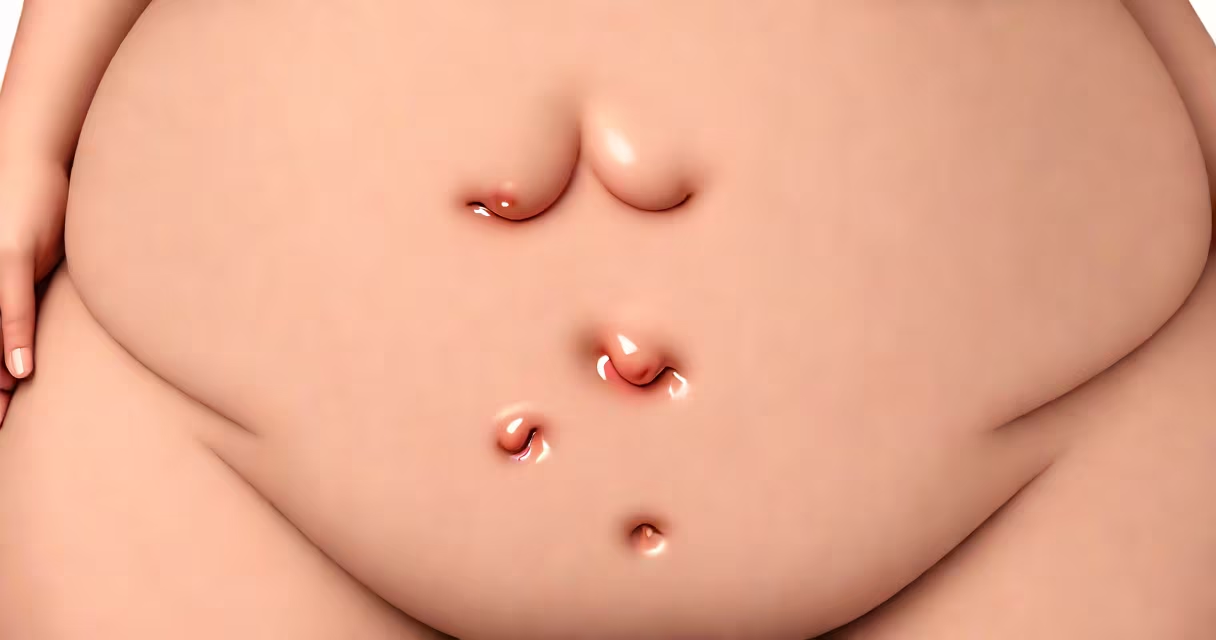
A swollen belly button in adults is a physical sign of underlying inflammation, infection, or structural issue affecting the navel region. It may appear as puffiness, redness, tenderness, or fluid discharge, and often signals a medical concern requiring evaluation.
Swelling around the belly button typically results from irritation, bacterial invasion, or tissue displacement. The area is prone to moisture retention and debris accumulation due to its recessed structure, making it vulnerable to infections like folliculitis or omphalitis. More serious causes include umbilical hernias, where abdominal contents push through weakened abdominal wall tissue near the navel, or skin conditions such as eczema or psoriasis affecting the area.
While minor irritation may resolve with cleaning, persistent or worsening swelling demands attention. Ignoring symptoms risks complications like abscess formation or systemic infection. Early recognition improves outcomes and prevents unnecessary discomfort.
The belly button, or umbilicus, forms during fetal development when the umbilical cord detaches. The resulting scar tissue becomes a shallow depression. In adults, this structure traps sweat, dead skin cells, and bacteria, especially if hygiene is inconsistent or clothing rubs the area.
Bacteria such as Staphylococcus aureus and Streptococcus species commonly cause localized infections. When the skin barrier breaks-due to scratching, piercing, or trauma-these microbes invade deeper layers, triggering inflammation. Redness, warmth, pain, and pus are hallmarks of acute infection.
Non-infectious causes include mechanical stress from weight gain or pregnancy, which stretches the abdominal wall and weakens the fascia around the navel. This allows intra-abdominal contents to protrude, forming an umbilical hernia. These swellings are usually soft, reducible (can be pushed back in), and worsen with straining or standing.
Swelling in the adult belly button falls into distinct categories based on origin:
| Type | Key Features | Common Triggers |
|---|---|---|
| Infection (Omphalitis) | Pus, redness, pain, fever | Cleaning with dirty hands, piercings, moisture buildup |
| Umbilical Hernia | Soft bulge, often reduces when lying down | Pregnancy, obesity, chronic coughing |
| Skin Condition | Dryness, flaking, itching | Eczema, psoriasis, contact dermatitis |
| Foreign Body Reaction | Chronic swelling, possible granulation tissue | Debris trapped under skin folds, jewelry fragments |
One overlooked cause is a retained piece of surgical mesh or suture material from prior abdominal surgery. These foreign bodies can trigger long-term inflammation, mimicking infection. A 2021 study in the Journal of Clinical Medicine found that 12% of patients presenting with chronic navel swelling had undiagnosed retained surgical materials.
Another non-obvious factor is fungal infection. Candida albicans thrives in moist, warm environments. An adult with diabetes or who uses antibiotics frequently may develop a yeast infection in the belly button, leading to persistent swelling and a white, cottage-cheese-like discharge.
Many assume a swollen belly button is harmless, especially if it's mild. But red flags include increasing size, spreading redness, fever, or inability to reduce a bulge. These suggest progression beyond superficial irritation.
For example, a 45-year-old woman reported a small navel swelling that grew over two weeks. She initially cleaned it daily but noticed pus and sharp pain. Upon examination, she had a 2 cm infected umbilical cyst requiring incision and drainage. Delayed treatment risked sepsis.
Umbilical hernias are often misdiagnosed as fat deposits. A 2020 review in Annals of Surgery noted that 38% of adults with umbilical hernias initially believed their navel was "just getting bigger." These hernias can strangulate-cut off blood supply-to internal organs, causing severe pain and emergency surgery.
Even benign skin conditions can mimic infection. Psoriasis in the navel presents as thick, scaly patches with itching. Misdiagnosis leads to inappropriate antibiotic use and delayed proper treatment.
Medical evaluation begins with visual inspection and palpation. Doctors assess for fluctuance (fluid-filled swelling), skin changes, and whether the swelling reduces with pressure. Imaging like ultrasound may confirm hernia presence or detect fluid collections.
Treatment depends on the root cause. Bacterial infections require oral antibiotics like cephalexin or clindamycin. Topical antiseptics such as chlorhexidine washes help prevent recurrence. Fungal infections respond to antifungals like clotrimazole cream applied twice daily for two weeks.
For umbilical hernias, watchful waiting applies if small and asymptomatic. Larger or symptomatic hernias need surgical repair. A 2022 study in World Journal of Surgery showed that primary repair with mesh placement reduced recurrence rates to below 5% compared to suture-only techniques.
Chronic cases involving skin disorders may need referral to a dermatologist. Biopsy may be needed if lesions don't heal or show atypical features. Persistent swelling after treatment warrants imaging to rule out rare causes like neoplasms-though these are exceedingly rare in the navel.
Keep the belly button clean and dry. After showering, gently dry the area with a towel or use a cotton swab. Avoid inserting objects like Q-tips deeply, which can damage skin or push debris inward.
Wear breathable fabrics. Tight belts or waistbands trap moisture and increase friction. If you have a piercing, follow sterile cleaning protocols using saline solution or diluted antibacterial soap. Remove jewelry during bathing and avoid sleeping with it in.
I once treated a patient who developed a severe infection after using a homemade "natural" oil blend on his pierced navel. The oil created a breeding ground for bacteria. He required IV antibiotics and hospitalization. This case underscores that home remedies aren't always safe-especially in closed, moist spaces.
Swollen belly button adult is not a trivial symptom. It reflects a breakdown in skin integrity, tissue structure, or immune response. Recognizing early signs-redness, discharge, bulging-leads to faster diagnosis and better outcomes. Do not ignore changes in your navel. Seek care when swelling doesn't improve within a week.