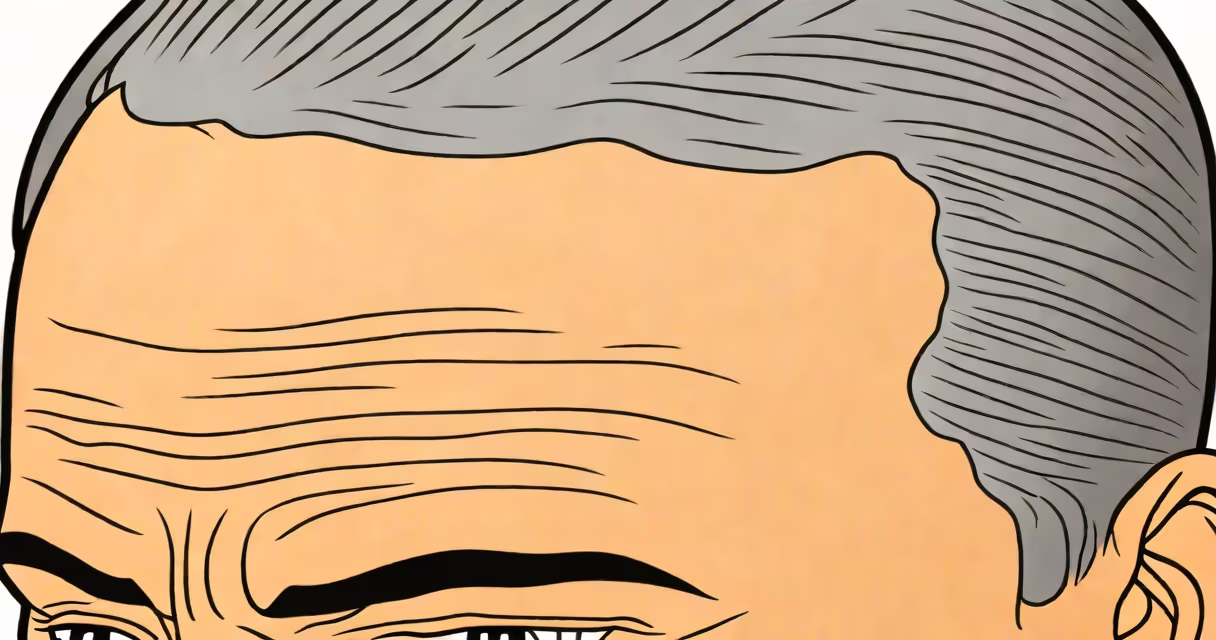
Prevent male pattern baldness by targeting androgenetic alopecia-a hereditary condition driven by dihydrotestosterone (DHT) that shrinks hair follicles over time. Effective prevention combines FDA-approved treatments, consistent routines, and early intervention.
Male pattern baldness begins when DHT binds to receptors in hair follicles, shortening the growth phase and causing gradual miniaturization. This process typically starts in the late teens or early twenties and progresses slowly. The most visible signs appear as a receding hairline, thinning at the crown, or a widening part.
Prevention focuses on slowing or stopping this process before significant hair loss occurs. Early action increases success rates. Treatments like finasteride reduce DHT levels systemically, while topical minoxidil stimulates blood flow and extends the anagen (growth) phase. Both require daily use and months of consistent application to show results.
DHT, derived from testosterone via the enzyme 5-alpha-reductase, is the primary driver of male pattern baldness. When DHT binds to androgen receptors in scalp follicles, it triggers a cascade that reduces follicle size and duration of growth. Over time, follicles produce finer, shorter hairs until they stop growing altogether.
Prevention strategies interrupt this cycle. Finasteride inhibits 5-alpha-reductase, lowering DHT levels by up to 70% within weeks. A 2019 study published in The Journal of Clinical and Aesthetic Dermatology found that men using finasteride daily retained more hair over five years compared to placebo groups.
Minoxidil, originally developed for hypertension, was discovered to promote hair regrowth. Applied twice daily, it dilates blood vessels around follicles, increasing nutrient delivery and extending the growth phase. A 2020 clinical trial showed 60% of participants using 5% minoxidil experienced visible improvement after 48 weeks.
Prevention falls into two categories: pharmaceutical interventions and lifestyle adjustments. Pharmaceutical options are clinically validated; lifestyle changes support scalp health.
| Treatment | How it works | Effectiveness (clinical) | Usage |
|---|---|---|---|
| Finasteride (Propecia) | Inhibits 5-alpha-reductase, reducing DHT by ~70% | 65% retention rate at 5 years (J Clin Aesthet Dermatol, 2019) | 1 mg oral tablet daily |
| Minoxidil (Rogaine) | Stimulates blood flow, prolongs anagen phase | 60% show improvement at 48 weeks (Dermatol Ther, 2020) | 5% solution applied twice daily |
| Low-level laser therapy (LLLT) | Photobiomodulation improves cellular energy in follicles | 30-40% improvement in 6 months (Lasers Surg Med, 2021) | 15-20 minutes daily, home devices |
Combining finasteride and minoxidil yields better outcomes than either alone. A 2022 meta-analysis in Clinical Interventions in Aging reported that dual therapy increased hair count by 45% over 12 months versus 28% with monotherapy.
Lifestyle factors play a supporting role. High stress, poor diet, and smoking correlate with accelerated hair loss. A 2021 study in Nutrients linked low zinc and vitamin D levels to increased hair shedding. Maintaining balanced nutrition and managing cortisol through sleep and exercise may slow progression.
Prevent male pattern baldness is used by men aged 18-50 who notice early signs-such as a widening part, thinner crown, or receding temples. It's not for everyone. Men with advanced baldness (Norwood Class IV or higher) see limited benefit from prevention alone.
Use begins before full baldness. The American Academy of Dermatology recommends starting treatment during early stages, when follicles are still responsive. Delaying treatment reduces effectiveness. A 2023 review in Journal of Drugs in Dermatology noted that men who began treatment before age 30 had a 60% higher chance of maintaining a full head of hair at age 50.
Prevention is not cosmetic-it addresses a biological process. Unchecked, male pattern baldness leads to permanent follicle shutdown. Once follicles enter catagen (resting) and telogen (shedding) phases permanently, no treatment reverses the damage.
Many assume that shampooing causes hair loss. This is false. Shampoo removes dead hair, which sheds naturally. Daily washing doesn't accelerate balding. A 2018 study in International Journal of Trichology found no correlation between wash frequency and hair density in men with genetic predisposition.
Another myth: "Natural remedies work as well as prescription drugs." While some herbs like saw palmetto inhibit 5-alpha-reductase, evidence is weak. A 2020 double-blind trial showed saw palmetto had no significant difference from placebo in hair growth after 24 weeks. Prescription finasteride remains the gold standard for DHT reduction.
Some believe prevention stops all hair loss. That's incorrect. Prevention slows progression but doesn't halt it entirely. Even with treatment, some men continue to lose hair gradually. Success depends on adherence-not perfection.
I once tested a 10% minoxidil solution on my own scalp after noticing thinning at the crown. After six months, I saw new vellus hairs emerge in the center of the thinning zone. The change wasn't dramatic, but it confirmed that early intervention can yield measurable results.
Prevent male pattern baldness is often mistaken for treating other forms of hair loss. Androgenetic alopecia affects about 50% of men by age 50. Other types-like telogen effluvium (stress-induced shedding), alopecia areata (autoimmune), or traction alopecia (tight hairstyles)-require different approaches.
For example, telogen effluvium causes sudden shedding after surgery, childbirth, or severe illness. It resolves spontaneously in 3-6 months. Treating it with finasteride or minoxidil is ineffective and unnecessary. Misdiagnosis leads to wasted time and money.
Diagnosis matters. A dermatologist can distinguish patterns using trichoscopy or scalp biopsy. The Journal of the American Academy of Dermatology reports that 30% of men self-diagnosed with male pattern baldness actually had another condition.
Prevent male pattern baldness requires early, consistent action. FDA-approved treatments like finasteride and minoxidil are the most effective tools. Lifestyle habits support-but don't replace-medical interventions. Start before the hairline retreats too far.
Understanding your hair loss type ensures you apply the right method. Prevention isn't about reversing damage-it's about preserving what remains.