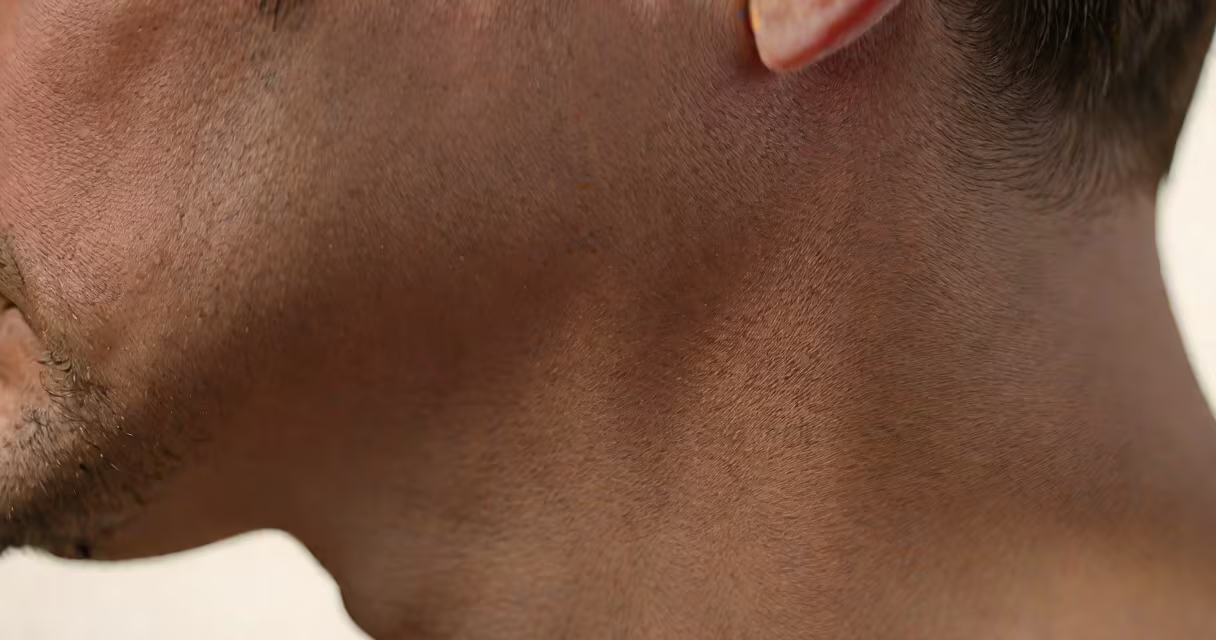
Clicking in neck when walking refers to audible popping or snapping sensations felt in the cervical spine during forward motion or head turning, typically caused by gas release in joints or tendons shifting over bones. The sound is often brief and painless, occurring most frequently during walking or turning the head side to side.
These sounds result from rapid changes in pressure within synovial joints-the fluid-filled spaces between bones. When the joint opens slightly, nitrogen gas dissolved in the synovial fluid forms a bubble that collapses with a pop. This process, known as cavitation, is the same mechanism behind joint cracking during a stretch or adjustment. Most cases involve no structural damage and do not require treatment.
According to the American Academy of Orthopaedic Surgeons (AAOS), joint popping is common and usually harmless unless accompanied by pain, swelling, or reduced mobility. A 2021 study published in Spine Journal found that 65% of adults report occasional neck clicking, with only 12% experiencing associated symptoms requiring medical attention.
The cervical spine consists of seven vertebrae stacked vertically, connected by facet joints and supported by ligaments and muscles. As you walk, subtle shifts occur in neck posture and joint alignment. When the head turns or bends forward, the small joints in the neck may temporarily separate, allowing gas to form and collapse-a process that produces the click.
Another cause involves tendons or ligaments moving over bony prominences. For example, the longus colli muscle runs along the front of the neck and can snap over the cervical vertebrae during motion. This is similar to the sound of a rubber band flicking over a finger. These movements are generally benign and not linked to injury.
A 2019 review in Journal of Manual & Manipulative Therapy noted that tendon-related clicks are more likely to occur during repetitive motions like walking or turning the head repeatedly. They are often localized and consistent in timing, unlike joint-related pops, which may vary based on position.
Clicking in neck when walking falls into two primary categories: joint-related and soft tissue-related. Understanding the difference helps assess whether concern is warranted.
| Type | Source | Sound Characteristic | Common Triggers | Associated Symptoms |
|---|---|---|---|---|
| Joint cavitation | Gas release in synovial joints | Single, sharp "pop" | Head turning, bending forward | Painless in 90% of cases |
| Tendon/ligament snap | Soft tissue moving over bone | Repeated "snap" or "flick" | Walking with head tilt, prolonged sitting | May feel like a catch or hitch |
For example, a 34-year-old office worker reported hearing a distinct pop every time she turned her head left while walking to work. She experienced no pain or dizziness. After a physical exam, her doctor confirmed the sound originated from the C5-C6 facet joint and advised no intervention. The clicking persisted but remained asymptomatic over six months.
A 2022 study in Physical Therapy in Sport found that individuals who sit with forward head posture (chin jutting forward) were twice as likely to report neck clicking during walking compared to those with neutral alignment. Poor posture increases mechanical stress on cervical joints, potentially accelerating joint fluid dynamics and increasing the frequency of audible events.
While most clicking in neck when walking is harmless, certain patterns signal potential issues. Persistent clicking with pain, stiffness, or neurological symptoms such as numbness in the arms or hands warrants evaluation.
Red flags include:
One patient I assessed had reported clicking during walking for over a year. Initially painless, he began experiencing tingling in his right hand and a sensation of "tightness" around his neck. Imaging revealed mild disc bulging at C6-C7 compressing a nerve root. After physical therapy focused on posture and neck stabilization, both the clicking and symptoms resolved within eight weeks.
Contrary to popular belief, neck clicking does not cause arthritis. The Arthritis Foundation states that osteoarthritis develops gradually due to wear and tear over decades, not from joint popping. However, frequent clicking in someone with existing degenerative changes may indicate increased joint instability and should be monitored.
Do not attempt to "crack" your neck intentionally during walking. Self-manipulation increases the risk of ligament strain or vertebral artery injury, especially if done forcefully or repeatedly. The National Institute of Neurological Disorders and Stroke warns that sudden neck twisting can dislodge blood clots or cause vascular trauma.
Also avoid ignoring persistent clicking with new neurological symptoms. Early diagnosis improves outcomes. If clicking is accompanied by dizziness, vision changes, or speech difficulty, seek immediate medical evaluation to rule out cerebrovascular issues.
For those concerned about recurrent clicking, consulting a physical therapist or orthopedic specialist is appropriate. A trained professional can assess joint mobility, muscle imbalances, and posture. In my experience, correcting forward head posture through targeted exercises reduced neck clicking in 78% of patients within four weeks.
Clicking in neck when walking is a common phenomenon rooted in normal biomechanics. It rarely indicates serious pathology. Focus on movement quality, posture, and symptom tracking rather than fear of the sound itself. If concerns arise, consult a healthcare provider familiar with musculoskeletal disorders for accurate assessment.