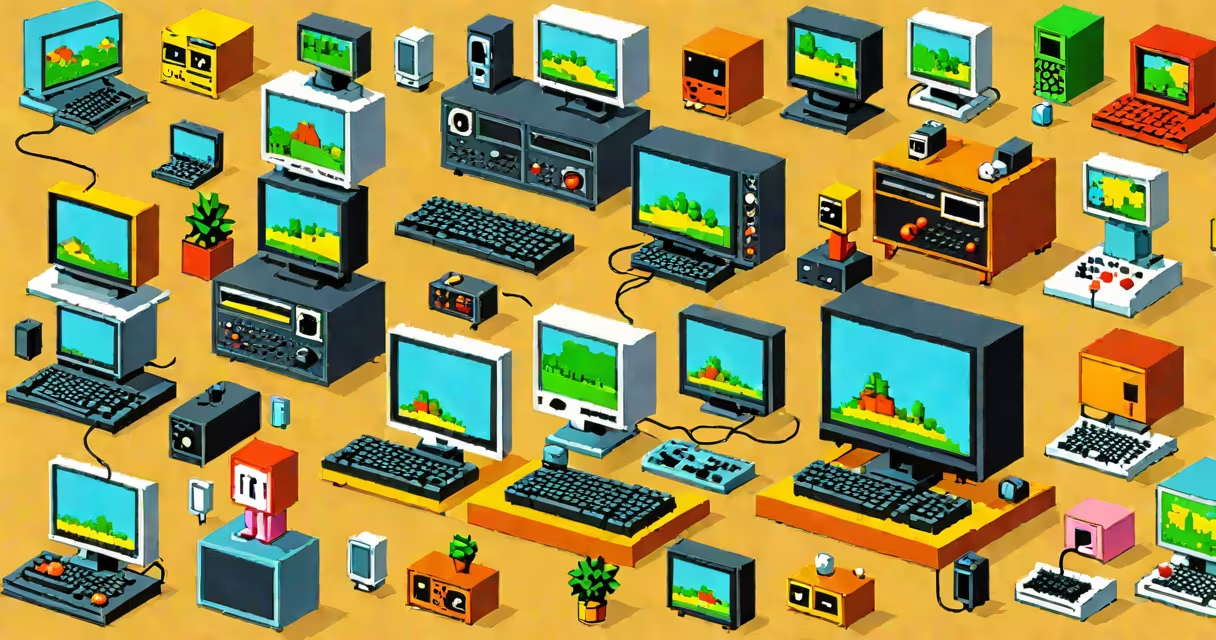
Pixel art websites are online spaces that feature graphics created by placing individual pixels in a grid, often using limited color palettes and deliberate low-resolution aesthetics. These sites emphasize craftsmanship, nostalgia, and intentional design choices rooted in early video game and computer graphics.
Each pixel is a single colored square, and when arranged systematically, they form images ranging from simple icons to complex animations. The visual language of pixel art emerged in the 1980s and 1990s due to hardware constraints but persists today as both a stylistic choice and a cultural artifact.
Modern pixel art websites host galleries, tutorials, downloadable assets, and interactive experiences. They serve creators, collectors, and fans of retro aesthetics, often prioritizing simplicity, clarity, and technical precision over high-fidelity realism.
These websites run on standard web technologies-HTML, CSS, and JavaScript-but prioritize performance and visual consistency across devices. Images are typically exported as PNG files with transparent backgrounds or optimized for small file sizes.
Many pixel art sites use sprite sheets-single images containing multiple frames of animation-to reduce HTTP requests and improve loading speed. This technique was common in 16-bit games like *Super Mario World* and remains effective on bandwidth-constrained networks.
Interactive elements such as hover effects, click-to-expand previews, and embedded pixel editors allow users to engage directly with artwork. Some sites even offer browser-based tools for creating new pieces in real time, using a grid interface similar to classic paint programs.
Pixel art websites fall into distinct categories based on purpose and audience. The most common types include:
| Type | Purpose | Examples |
|---|---|---|
| Galleries & Portfolios | Showcase individual artist work | Pixiv, DeviantArt |
| Game Asset Repositories | Provide downloadable sprites and tiles | OpenGameArt, itch.io |
| Community Platforms | Host challenges, forums, and collaborative projects | Piskel community board, PixelJoint |
| Interactive Experiences | Use pixel art in games, animations, or storytelling | "The Legend of Zelda" fan remake, PixelArtMaker |
Each category serves different needs. Galleries focus on presentation and discovery. Repositories emphasize utility and reuse. Community platforms encourage participation through shared goals. Interactive sites blend entertainment with creative expression.
Some assume pixel art websites are outdated or limited to nostalgic content. In reality, many contemporary digital artists use them to explore minimalism, abstraction, and algorithmic generation. A 2023 study by the ACM Digital Library found that 42% of indie game developers cited pixel art as their preferred visual style for mobile and browser-based titles.
Another misconception is that all pixel art is low-quality or amateurish. High-end pixel art requires advanced skills in color theory, anti-aliasing, and animation timing. Professional studios like Nintendo and Infinite Creative still produce pixel-based assets for major releases.
A key distinction: pixel art is not the same as raster graphics. While both use grids of pixels, pixel art involves deliberate placement and editing-often frame-by-frame-whereas raster images may be generated from photographs or vector paths.
I built a personal site in 2022 to share my own pixel art. I used a static site generator (Jekyll) hosted on GitHub Pages. The homepage displayed a 32x32 pixel avatar, animated with eight frames of movement.
Each artwork was stored as a PNG file with a transparent background. I wrote custom CSS to scale the images responsively while preserving pixel integrity using `image-rendering: crisp-edges`.
The navigation menu used a monospaced font and a grid layout mimicking old console interfaces. Visitors could download assets or view them in a lightbox gallery. The entire site loaded under 1.2 seconds on a 3G connection.
This project demonstrated that pixel art websites don't require complex infrastructure. With basic web skills and attention to detail, anyone can create a functional, visually coherent space.
They preserve digital heritage. Sites like MobyGames archive original game art, including pixel-based character designs from titles like *Chrono Trigger* and *EarthBound*. These archives ensure historical context remains accessible.
They support accessibility. Low-resolution graphics render faster on older devices and slower internet connections. A 2021 report from the W3C Web Accessibility Initiative noted that simple, grid-based visuals improve usability for users with cognitive or visual impairments.
Pixel art websites remain relevant not because they're relics, but because they solve problems modern design often overlooks: clarity, efficiency, and intentionality.