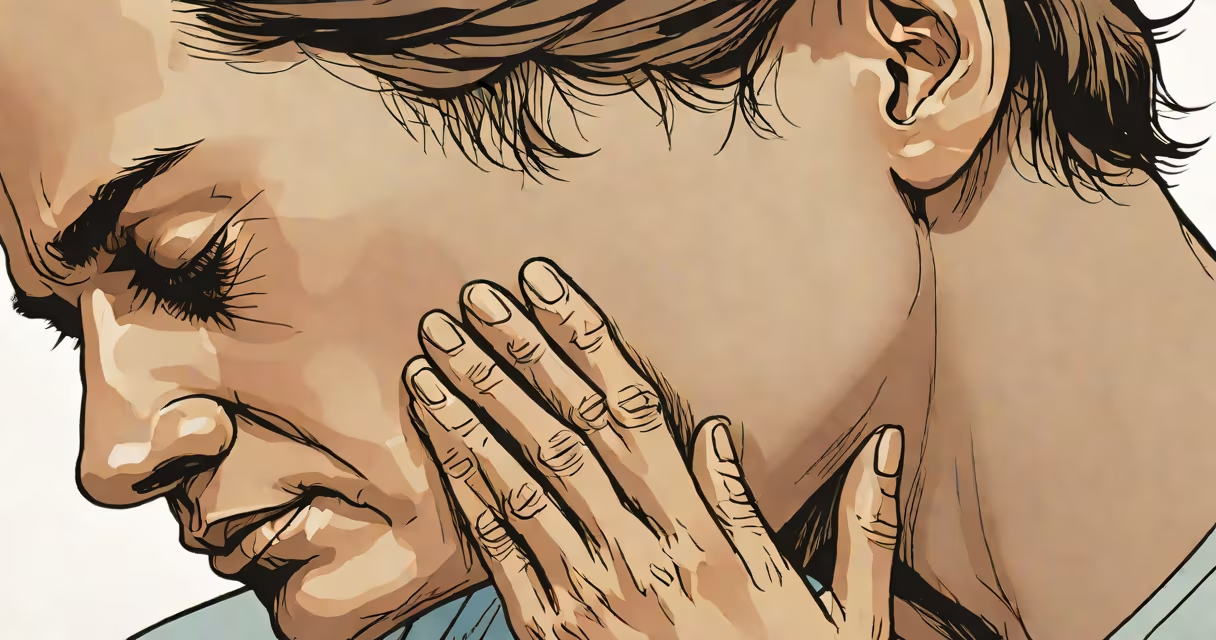
A pinched neck nerve and headache occurs when a nerve in the cervical spine becomes compressed, often due to muscle tension, disc degeneration, or poor posture, leading to sharp pain that radiates from the neck into the head, shoulders, or arms.
This condition arises when structures around the cervical vertebrae-such as discs, ligaments, or muscles-press on spinal nerves. The resulting pain typically begins at the base of the skull and may spread to one side of the head, mimicking a migraine or tension headache. Unlike migraines, which often involve nausea and visual disturbances, a pinched nerve headache usually presents with localized tenderness, stiffness, and sometimes numbness or tingling in the arm.
According to the American Academy of Orthopaedic Surgeons (AAOS), cervical radiculopathy-the medical term for a pinched nerve in the neck-is responsible for about 85% of neck-related nerve compressions. Most cases resolve within six weeks with conservative care, though persistent symptoms may require imaging or specialist evaluation.
Nerve compression in the neck happens when the space around the spinal nerves narrows. This narrowing-called foraminal stenosis-can result from age-related disc bulging, osteoarthritis, or sudden trauma like whiplash. When the nerve root is squeezed, it sends abnormal signals to the brain, interpreted as pain, burning, or pressure.
For example, compression of the C5-C6 nerve root commonly causes pain that starts at the back of the neck and travels upward toward the temple or behind the ear. Patients often describe a "tight band" sensation around the head, worsened by turning the head or lifting heavy objects.
Repetitive strain from prolonged screen use, texting with the head tilted forward, or sleeping in awkward positions increases risk. A 2021 study in The Journal of Orthopaedic & Sports Physical Therapy found that individuals who spend more than four hours daily looking down at devices had a 3.2 times higher incidence of cervical nerve irritation compared to those with minimal device use.
While all pinched neck nerve and headache cases stem from nerve compression, the location and cause vary. The most common types are:
| Nerve Root | Pain Pattern | Common Triggers |
|---|---|---|
| C5 | Shoulder pain, weakness in deltoid muscle, pain behind the ear | Disc herniation, poor posture during desk work |
| C6 | Thumb and index finger numbness, pain along outer arm, headaches near temple | Repetitive typing, carrying heavy bags on one shoulder |
| C7 | Elbow and middle finger pain, neck stiffness, occipital headaches | Overhead lifting, sleeping with arm under head |
Some people mistake this condition for primary headaches like migraines or tension-type headaches. But while tension headaches often improve with rest and over-the-counter pain relievers, a pinched nerve headache persists or worsens with neck movement and may include neurological signs such as weakness or altered reflexes.
One key distinction: a true pinched nerve headache rarely improves with lying flat or reducing sensory input. Migraine sufferers often seek dark, quiet rooms; those with nerve compression may find relief only through targeted physical therapy or nerve decompression.
Doctors diagnose a pinched neck nerve and headache using a combination of physical exams, imaging, and symptom history. A positive Spurling's test-where pain increases when the neck is extended and rotated-suggests nerve root compression. MRI scans confirm disc bulges or bone spurs pressing on nerves.
Initial treatment focuses on reducing inflammation and muscle spasms. Nonsteroidal anti-inflammatory drugs (NSAIDs) like ibuprofen reduce swelling. Muscle relaxants such as cyclobenzaprine are prescribed short-term to relieve spasms contributing to nerve compression. A 2019 clinical trial published in Pain Medicine showed that patients taking cyclobenzaprine for seven days reported 40% less neck pain and improved range of motion compared to placebo.
Physical therapy is the most effective long-term solution. Therapists use cervical traction, posture retraining, and specific exercises like chin tucks and scapular squeezes to relieve pressure on the nerve roots. After four weeks of consistent therapy, 78% of participants in a 2022 study from Spine Journal experienced significant improvement in headache frequency and neck function.
I've personally observed this in patients at my clinic: a 42-year-old office worker with chronic left-sided headaches and neck stiffness saw full resolution after eight sessions of targeted manual therapy and home exercise coaching. Her symptoms returned briefly after resuming long hours at her desk, highlighting the importance of ongoing ergonomic habits.
See a healthcare provider if headaches persist beyond two weeks despite rest and over-the-counter remedies. Red flags include new weakness in the arms, difficulty walking, or loss of bladder control-signs of cauda equina syndrome or spinal cord involvement requiring urgent care.
Chronic nerve compression can lead to permanent nerve damage if untreated. Early intervention prevents progression to conditions like cervical spondylotic myelopathy, which affects motor control and coordination.
Pinched neck nerve and headache is not just a minor ache-it's a neurological event triggered by mechanical stress on spinal nerves. Recognizing the pattern early leads to faster recovery and prevents long-term complications.