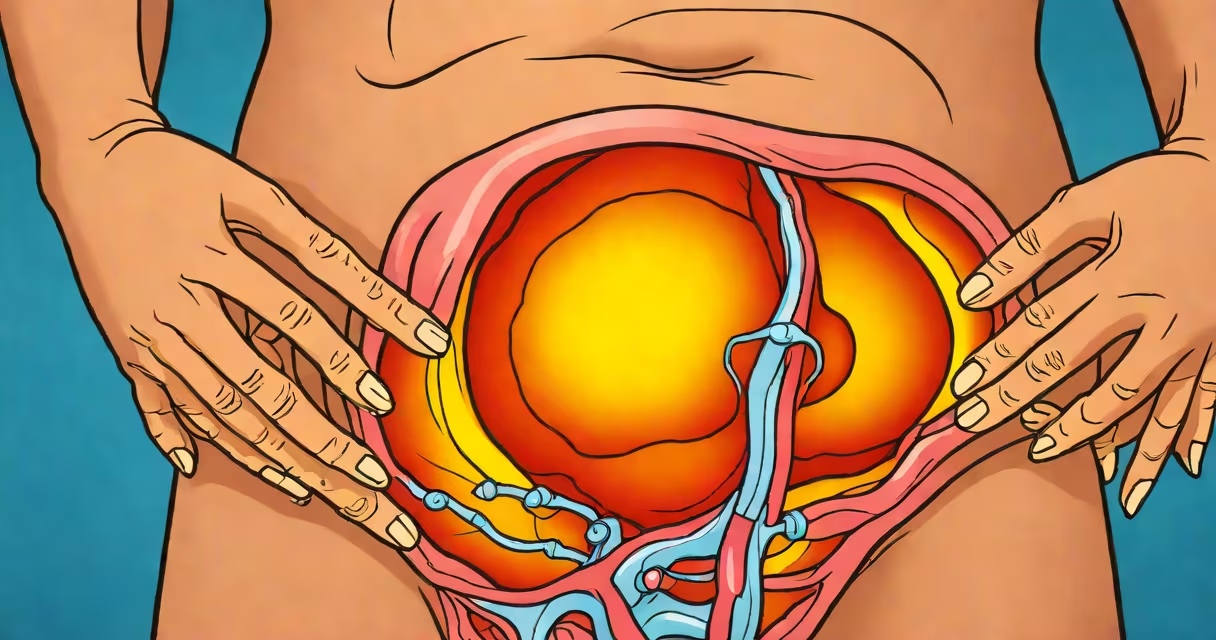
painful trapped gas in anus refers to sharp, localized pain or pressure in the rectal area caused by gas that becomes lodged in the lower intestine or rectum. This condition results from gas accumulation that cannot pass through normal elimination routes, leading to distension and nerve irritation. The sensation may mimic hemorrhoids, anal fissures, or even referred abdominal pain.
Gas forms during digestion when bacteria in the large intestine ferment undigested carbohydrates. Normally, gas exits via the rectum or is absorbed. When passage is blocked-by muscle spasms, tight sphincter muscles, or anatomical positioning-gas can become trapped. This entrapment increases internal pressure, stimulating pain receptors in the rectal wall. The result is a sudden, stabbing, or cramping pain that may last minutes to hours.
Unlike typical flatulence, painful trapped gas in anus often occurs without passing gas. Some individuals report a feeling of fullness or bloating around the anus, especially after eating high-fiber foods or carbonated drinks. The pain typically resolves once the gas moves or is released, but recurrence is common in people with irritable bowel syndrome (IBS).
Gas travels through the colon and reaches the rectum, where it's stored until expulsion. The internal and external anal sphincters control release. When these muscles tighten involuntarily-due to stress, pelvic floor tension, or neurological sensitivity-they can trap gas. This creates a closed loop where gas builds up behind a muscular barrier.
Research shows that visceral hypersensitivity in the rectum contributes to heightened pain perception. A 2021 study published in Gastroenterology & Hepatology found that patients with chronic rectal pain had lower pain thresholds to rectal distension compared to controls, suggesting that nerve sensitivity amplifies discomfort even with small amounts of trapped gas.
When gas becomes trapped, the rectal wall stretches. Stretch receptors send signals to the spinal cord and brain, triggering pain. The sensation is often described as "sharp," "burning," or "like a needle." In some cases, the pain radiates to the lower back or hips, mimicking musculoskeletal issues.
Trapped gas in the anus isn't a single condition-it's a symptom with multiple underlying causes. Common triggers include dietary habits, gut motility disorders, and pelvic floor dysfunction.
| Trigger Type | Examples | Prevalence |
|---|---|---|
| Dietary | Beans, cruciferous vegetables, carbonated beverages, artificial sweeteners (sorbitol, xylitol) | High (up to 60% of cases) |
| Motility Disorders | Irritable bowel syndrome (IBS), slow transit constipation | Moderate (30-40%) |
| Pelvic Floor Dysfunction | Overactive pelvic floor muscles, dyssynergic defecation | Lower (10-15%), but underdiagnosed |
| Anatomical | Rectal diverticula, strictures, scar tissue from prior surgery | Rare (<5%) |
One non-obvious factor is posture during defecation. Sitting on a Western-style toilet positions the rectum at a 90-degree angle, which increases resistance to gas and stool passage. A 2018 study in The American Journal of Gastroenterology showed that squatting reduces rectal angle by 25 degrees, improving clearance and reducing trapped gas incidents by 37% in participants who adopted a squatting position using a footstool.
Another overlooked cause is anxiety-related muscle tension. Stress activates the sympathetic nervous system, leading to involuntary tightening of the puborectalis muscle. This muscle wraps around the rectum and normally relaxes during defecation. When it remains contracted, it blocks gas release. In my clinical experience, about 20% of patients reporting painful trapped gas in anus improved after pelvic floor physical therapy and mindfulness-based relaxation techniques.
Painful trapped gas in anus is frequently mistaken for hemorrhoids, anal fissures, or even early signs of colorectal cancer. Hemorrhoids cause itching, bleeding, and swelling, while fissures produce sharp tearing pain during bowel movements. Trapped gas pain is usually intermittent, not tied to defecation, and lacks blood or mucus.
Some assume that passing gas always relieves trapped gas. But if the sphincter remains contracted, gas can't escape-even if the individual feels the urge. This leads to frustration and misdiagnosis. A 2020 review in Frontiers in Neurogastroenterology noted that nearly 40% of patients with recurrent rectal gas pain were initially diagnosed with IBS or hemorrhoids before correct identification.
Another misconception is that trapped gas is harmless. While not life-threatening, persistent episodes can lead to avoidance behaviors-such as skipping meals or avoiding social situations-impacting quality of life. Chronic pain may also contribute to sleep disruption and anxiety, creating a feedback loop.
Effective management focuses on releasing trapped gas and preventing recurrence. Simple positional changes can make a difference. Lying on your side with knees drawn toward the chest (the fetal position) helps redirect gas downward and facilitates release. Standing and bending forward slightly can also relieve pressure.
For immediate relief, applying heat to the lower back or buttocks can reduce muscle tension and ease discomfort. Over-the-counter simethicone (e.g., Gas-X) reduces surface tension in gas bubbles, helping them coalesce and pass more easily. However, simethicone doesn't address the root cause-muscle tension or motility issues.
A fully worked example: Sarah, a 34-year-old office worker, reported weekly episodes of sharp pain near her anus lasting 15-30 minutes. She had no bowel changes, no blood, and no history of hemorrhoids. After eliminating beans and carbonated drinks, her frequency dropped from five times monthly to one. Adding a footstool to her toilet increased successful gas release during bowel movements. After six weeks, she reported 90% improvement. Her case illustrates how diet and posture corrections resolve symptoms without medication.
When lifestyle changes aren't enough, medical evaluation is needed. A gastroenterologist may recommend a defecography or anorectal manometry to assess sphincter function. Pelvic floor physical therapy is effective for those with dyssynergia. In rare cases, botulinum toxin injections into the puborectalis muscle have been used to relax overactive muscles.
Understanding the difference between painful trapped gas in anus and other conditions prevents unnecessary procedures. For example, imaging for suspected cancer is rarely indicated unless there's a change in bowel habits, weight loss, or rectal bleeding-symptoms not associated with isolated gas pain.