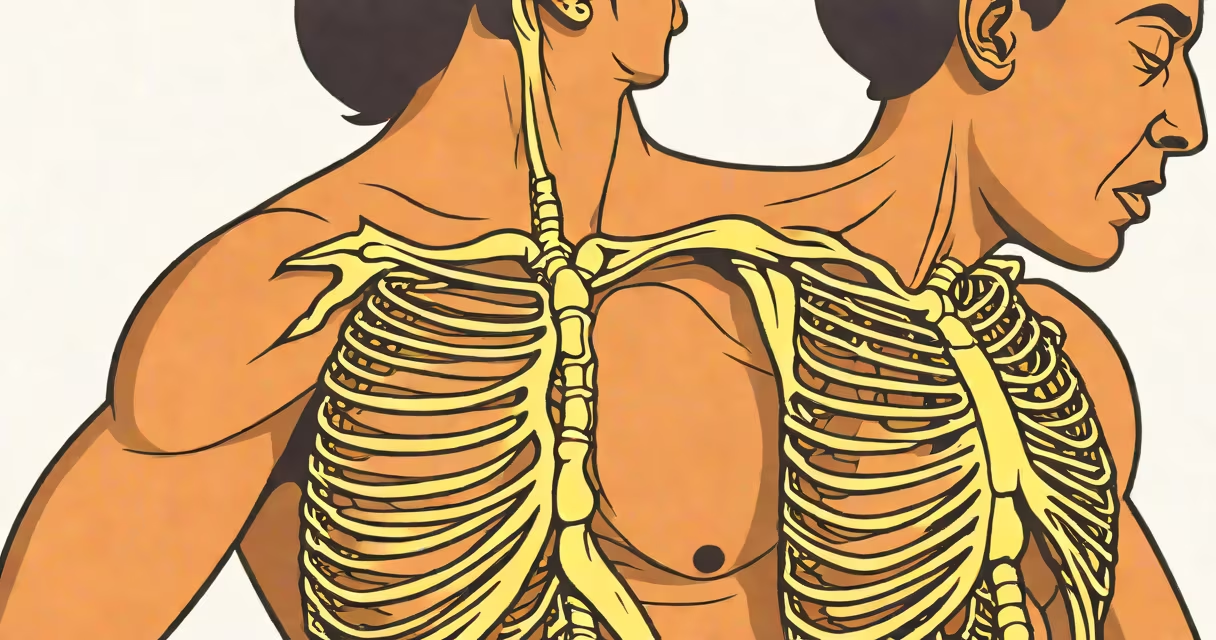
Pain upper right chest when breathing is a symptom describing discomfort localized to the right side of the chest that worsens during inhalation or exhalation. It often results from inflammation of the lung lining (pleurisy), muscle strain, rib injury, or referred pain from internal organs like the gallbladder or liver.
This sensation typically sharpens with deep breaths, coughing, or twisting motions. Unlike cardiac pain, which often radiates to the left arm or jaw, right-sided breathing pain rarely signals heart disease unless accompanied by other symptoms like sweating or dizziness. The most common causes involve the respiratory system, musculoskeletal structures, or gastrointestinal tract.
For example, a 34-year-old woman reported sharp pain when inhaling deeply while lying on her right side. She had no history of heart issues, but the pain intensified with movement. After a physical exam and imaging, she was diagnosed with costochondritis-a condition involving inflammation of the cartilage connecting ribs to the sternum. Treatment included NSAIDs and rest. Her symptoms resolved within 10 days.
The upper right chest contains multiple structures that can generate pain during breathing. The pleura-the thin membrane covering the lungs-can become inflamed due to viral infections, pneumonia, or pulmonary embolism. Inflammation causes friction between the layers, resulting in sharp, stabbing pain with each breath.
Musculoskeletal causes include strained intercostal muscles (between the ribs) or costochondral joint irritation. These often follow sudden movements, heavy lifting, or repetitive twisting. A single episode of coughing can strain these tissues, leading to localized tenderness and pain that worsens with posture changes.
Gastrointestinal sources such as acid reflux or gallbladder dysfunction can refer pain to the right upper chest. The vagus nerve transmits signals from the stomach and gallbladder to the diaphragm and nearby chest wall. This explains why some people feel burning or pressure in the upper right chest after eating fatty meals.
Not all pain upper right chest when breathing stems from the same cause. The following table outlines key categories, their typical triggers, and distinguishing features.
| Type | Common Causes | Key Features | When to Seek Care |
|---|---|---|---|
| Musculoskeletal | Strained intercostal muscles, costochondritis | Pain worsens with movement or pressing on the area; localized to one spot | After trauma or persistent pain beyond 2 weeks |
| Respiratory | Pleurisy, pneumonia, pulmonary embolism | Sharp, stabbing pain; may improve when holding breath; fever or cough common | Sudden onset with shortness of breath or rapid breathing |
| Gastrointestinal | GERD, gallstones, hiatal hernia | Burning or pressure-like pain; often after eating; may radiate to back | Recurring episodes, especially after fatty foods |
A non-obvious distinction: pleuritic pain usually improves when the patient holds their breath or lies on the affected side. Muscular pain tends to persist regardless of position. This difference can help clinicians differentiate between causes during evaluation.
Pain upper right chest when breathing frequently arises in individuals with recent respiratory infections. According to the American Lung Association, viral upper respiratory infections precede pleurisy in about 60% of cases. The inflammation spreads to the pleural surfaces, causing pain with each breath cycle.
Another frequent origin is gallbladder disease. The National Institute of Diabetes and Digestive and Kidney Diseases reports that 80% of gallstone patients experience pain in the right upper abdomen, but nearly half also report referred pain to the right shoulder or upper chest. This occurs because shared nerve pathways transmit signals from the gallbladder to the diaphragm and thoracic region.
I once observed a 52-year-old man who visited urgent care complaining of right chest pain that worsened when breathing deeply. He denied trauma but admitted to eating a large greasy meal earlier that day. His pain began 90 minutes after eating and lasted over two hours. Ultrasound revealed gallstones with thickened walls. After cholecystectomy, his symptoms disappeared completely.
Many assume that any chest pain during breathing indicates a serious condition like a heart attack or pulmonary embolism. While these are possible, they're rare in otherwise healthy individuals without risk factors. The U.S. Centers for Disease Control and Prevention notes that only 1 in 100 chest pain cases in adults under 50 involves acute coronary syndrome.
Another misconception is that right-sided chest pain always points to lung or gallbladder issues. However, spinal misalignment or nerve entrapment (such as from a herniated disc in the thoracic spine) can mimic breathing-related chest pain. These cases often show pain that radiates along a dermatomal pattern-like a band around the torso-rather than being localized to one point.
Pain upper right chest when breathing is not synonymous with anxiety. While panic attacks can cause chest tightness, the pain is typically diffuse, not tied to respiration, and often includes palpitations, dizziness, or hyperventilation. Anxiety-related chest pain does not worsen with specific breathing patterns or movement.
Seek immediate medical attention if pain upper right chest when breathing is sudden, severe, or accompanied by:
For less urgent cases, consult a primary care provider if pain persists beyond 7 days, recurs regularly, or interferes with daily activities. A physical exam, imaging (like X-ray or ultrasound), or blood tests may be needed to rule out underlying conditions.
Recognizing the pattern of pain upper right chest when breathing-especially whether it's linked to breathing, movement, or meals-guides accurate assessment. Early identification reduces unnecessary testing and speeds recovery.