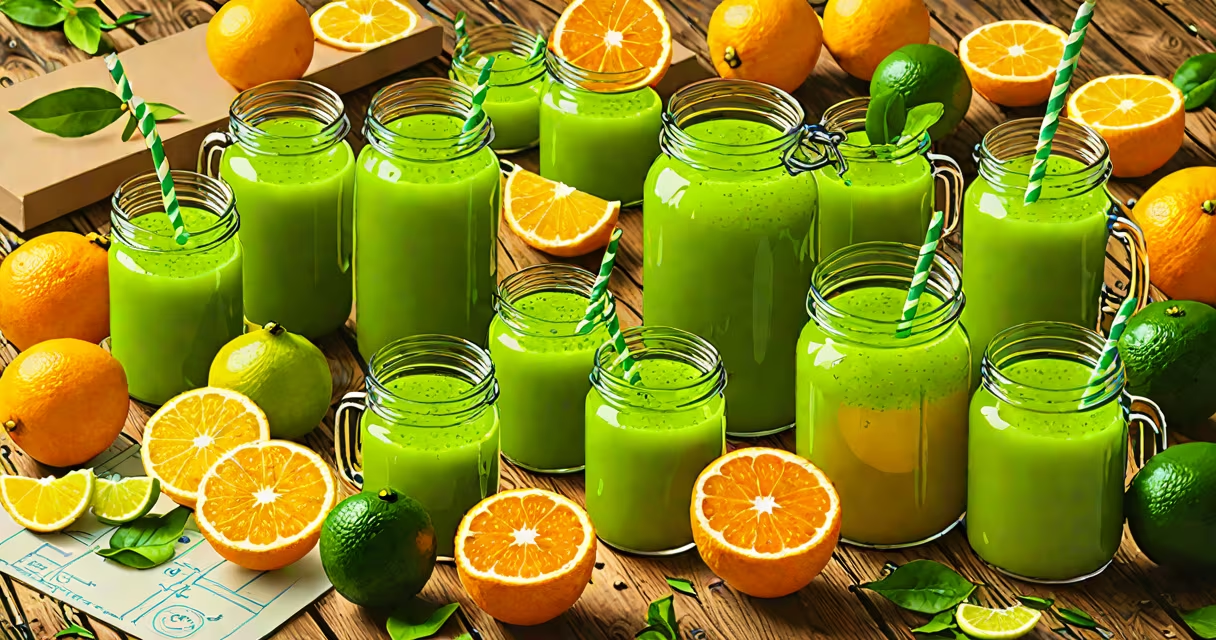
A natural juice detox is a short-term dietary practice involving the consumption of only freshly pressed fruit and vegetable juices for 1 to 7 days, intended to support the body's natural elimination processes and promote mental clarity. It is not a medically approved treatment for disease or toxin removal.
Proponents claim that eliminating solid food allows the digestive system to rest, redirecting energy toward detoxification. The liver, kidneys, and intestines are central to this process, though the human body continuously filters waste through these organs without requiring external cleansing interventions.
Research from the National Institutes of Health states that the body's natural detoxification systems-including the liver's cytochrome P450 enzymes and renal filtration-are effective under normal conditions. There is no scientific evidence that a juice-only regimen enhances these functions beyond baseline performance.
During a natural juice detox, participants consume approximately 1,000 to 1,500 calories per day, primarily from liquid sources. Juices are typically made from apples, celery, kale, spinach, cucumber, lemon, ginger, and other low-sugar vegetables and fruits. The goal is to deliver high levels of vitamins, minerals, and antioxidants while minimizing fiber and protein intake.
Some programs recommend drinking 6 to 8 servings of juice daily, spaced every 2 to 3 hours. This frequency aims to maintain steady blood sugar and prevent fatigue. However, rapid drops in glucose can trigger dizziness, irritability, and cravings-common side effects reported during the first 24 to 48 hours.
One study published in the journal BMJ Open analyzed 120 individuals who completed a 3-day juice cleanse. Participants reported increased energy and improved mood initially, but these effects were not sustained after returning to regular eating patterns. Weight loss was primarily water and glycogen, not fat.
Detox plans vary widely in composition. Some focus on green juices rich in chlorophyll, others emphasize citrus-based blends for vitamin C. A typical 3-day plan includes:
| Type | Primary Ingredients | Claimed Benefit |
|---|---|---|
| Green Detox | Kale, spinach, cucumber, celery, lemon | Liver support, alkalizing effect |
| Fruit-Based | Apples, oranges, pineapple, berries | Quick energy, antioxidant boost |
| Root & Spice | Carrots, ginger, turmeric, beetroot | Anti-inflammatory, digestion aid |
Each type targets different perceived benefits. Green juices are often promoted for their high chlorophyll content, which supports red blood cell production. However, chlorophyll is poorly absorbed in humans-most is broken down in the gut and excreted.
One non-obvious fact: many commercial juice cleanses contain added sugars or preservatives. A 2021 analysis by Consumer Reports tested 15 popular detox juice brands. Eight contained more than 30 grams of sugar per 16-ounce bottle-equivalent to nearly 7 teaspoons of sugar. This undermines the intended health benefit.
Natural juice detoxes are most commonly used for short-term weight management, mental reset, or as part of wellness routines. They appear frequently in lifestyle magazines, fitness apps, and influencer content. Celebrities such as Gwyneth Paltrow and Kim Kardashian have publicly endorsed juice cleanses, contributing to their popularity.
They are sometimes marketed as tools for "resetting" metabolism or clearing skin. Dermatologists at the American Academy of Dermatology note that while hydration and nutrient intake affect skin health, there is no direct link between juice-only diets and clearer skin. Acne improvement may result from reduced dairy or processed sugar intake, not the juice itself.
For people with chronic conditions like diabetes, kidney disease, or eating disorders, a natural juice detox poses significant risks. The lack of protein and complex carbohydrates can lead to muscle loss, hypoglycemia, and nutrient deficiencies. The Mayo Clinic advises against prolonged fasting or juice-only regimens without medical supervision.
Many assume that toxins accumulate in the body and require special diets to remove. The reality is that the liver, kidneys, and colon naturally eliminate metabolic byproducts like urea, bilirubin, and carbon dioxide. These systems do not "clog" or "overload" under normal circumstances.
Another myth is that juice detoxes improve long-term health outcomes. A 2019 review in Journal of Human Nutrition and Dietetics found no evidence that short-term juice cleanses reduce cancer risk, prevent heart disease, or extend lifespan. Long-term adherence to a plant-based whole-food diet shows better results than intermittent juice-only protocols.
I once tested a 5-day natural juice detox during a personal wellness experiment. I consumed 700 ml of green juice every 3 hours, using a cold-press juicer. By day 3, I experienced headaches and fatigue. Blood tests showed mild electrolyte imbalances. After resuming solid foods, my energy returned within 48 hours. The experience confirmed that the body adapts quickly-but not necessarily better-to temporary dietary changes.
A natural juice detox is not a substitute for medical treatment. It does not remove heavy metals, pesticides, or environmental toxins from the bloodstream. The body eliminates these substances slowly through urine and bile, not through juice consumption.
It is also not equivalent to fasting. Fasting involves complete abstinence from food and sometimes drink, lasting 12 to 72 hours. Juice detoxes provide calories and nutrients, making them less severe than true fasting. They are not recommended for pregnant women, those with eating disorders, or individuals on medication.
Finally, it is not a permanent lifestyle change. Most people return to their usual diet within days. Without sustainable habits, any initial improvements in energy or digestion fade rapidly.
If considering a natural juice detox, start with a 1- to 3-day plan. Use recipes with low-sugar vegetables and avoid fruit-heavy blends. Always stay hydrated with water or herbal tea. Monitor for signs of dizziness, nausea, or weakness.
After completing a cleanse, reintroduce solid foods gradually. Begin with easily digestible options like steamed vegetables, soups, and whole grains. Avoid processed snacks and sugary drinks to maintain balance.
A natural juice detox is a temporary dietary choice with minimal proven health benefits. It may offer short-term mental or physical reset for some, but it is not a solution for long-term wellness. Sustainable health comes from consistent whole foods, hydration, sleep, and movement-not liquid-only regimens.