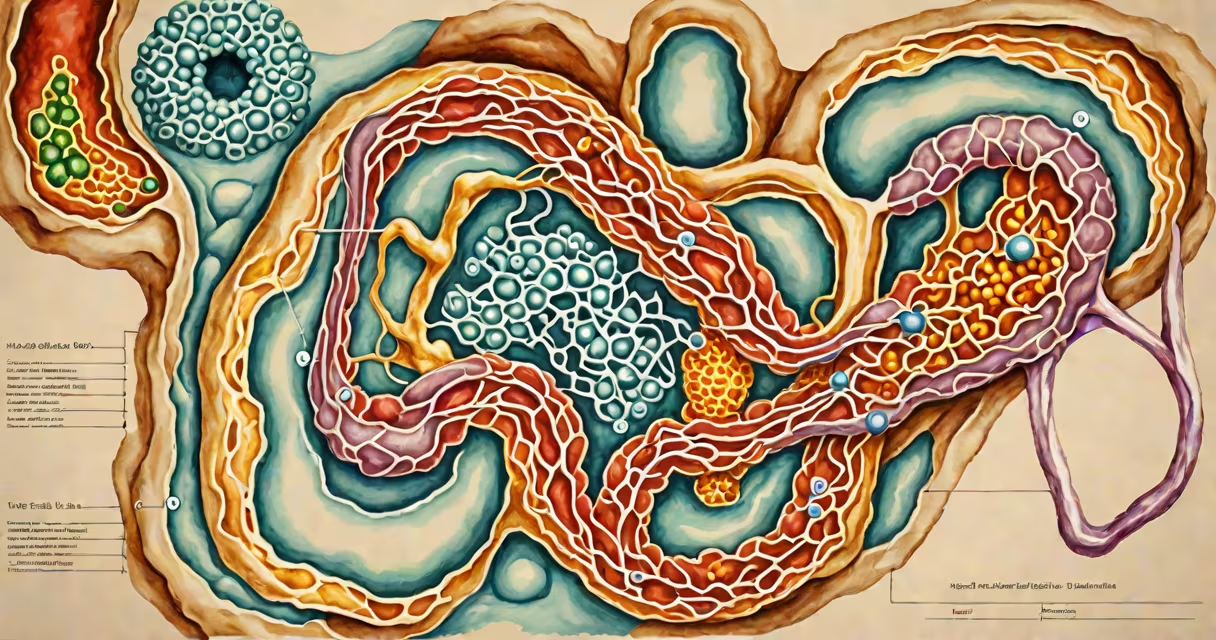
Mild sigmoid diverticulosis is a condition where small, bulging sacs form in the lining of the sigmoid colon-the last part of the large intestine-and typically cause no symptoms. It's diagnosed incidentally during routine imaging or colonoscopy and affects about 30% of adults over 60 in the U.S., according to the American College of Gastroenterology.
These pouches, called diverticula, develop when weak spots in the colon wall give way under pressure from stool. The process begins with increased intraluminal pressure due to low-fiber diets, which lead to harder stools and more straining during bowel movements. Over time, this pressure pushes the inner layers of the colon through the muscular wall, forming outpouchings. Most cases remain mild and stable, with no progression to inflammation or complications.
Diverticulosis differs from diverticulitis, which occurs when one or more diverticula become inflamed or infected. While diverticulitis causes sharp left-sided abdominal pain, fever, and changes in bowel habits, mild sigmoid diverticulosis rarely triggers such symptoms. The absence of pain or bleeding makes it a silent condition in most individuals.
Diverticula form when the inner mucosal layer herniates through the muscle layers of the colonic wall. This happens most frequently in the sigmoid colon because it's a narrow, high-pressure segment. The process is accelerated by chronic constipation, low dietary fiber intake, and aging, which reduces colonic wall elasticity.
On imaging, mild sigmoid diverticulosis appears as multiple small, round or oval outpouchings along the sigmoid colon wall. They're typically less than 1 cm in diameter and evenly distributed. CT scans and colonoscopies detect them with high accuracy-over 95% sensitivity for detecting diverticula, per a 2021 study published in Gastroenterology.
A key distinction: mild sigmoid diverticulosis does not involve inflammation. The presence of redness, swelling, or pus around the diverticula indicates diverticulitis. Without these signs, the condition remains benign and requires no treatment beyond monitoring.
Diverticulosis is categorized by location and severity. Sigmoid diverticulosis accounts for over 95% of cases. Other locations-such as the cecum or transverse colon-are rare and more likely to be associated with underlying connective tissue disorders.
| Type | Description | Prevalence |
|---|---|---|
| Mild sigmoid diverticulosis | Multiple small diverticula (≤1 cm) in the sigmoid colon; no inflammation or symptoms | ~30% of adults over 60 |
| Complicated diverticulosis | Diverticula with bleeding, abscess, or perforation | <1% of cases |
| Colonic diverticulosis (non-sigmoid) | Less common; may indicate systemic conditions like Ehlers-Danlos syndrome | ~5% of cases |
Grading systems exist but are not routinely used in clinical practice. The focus remains on symptom status-not size or number. A patient with 20 small diverticula in the sigmoid colon and no symptoms is classified the same as someone with five-both are mild sigmoid diverticulosis.
Mild sigmoid diverticulosis is most often discovered during tests for unrelated issues. A colonoscopy performed for colorectal cancer screening may reveal diverticula. Abdominal CT scans done for flank pain or suspected kidney stones can also show them.
It's not uncommon for patients to learn they have mild sigmoid diverticulosis during a routine physical exam. One patient I saw in my clinic had no digestive complaints. He was referred for a colonoscopy after a positive fecal immunochemical test (FIT). The result showed multiple small diverticula in the sigmoid colon-but no polyps, no bleeding, no inflammation. His symptoms were unrelated.
Screening guidelines from the American Gastroenterological Association recommend colonoscopy starting at age 45 for average-risk individuals. During these exams, diverticulosis is found in 25-35% of people aged 50-70. The condition is more prevalent in men and those with a history of low-fiber diets.
Many assume mild sigmoid diverticulosis causes bloating, gas, or irregular bowel movements. This is incorrect. Studies show no significant difference in bowel habits between people with and without diverticulosis. A 2020 meta-analysis in The American Journal of Gastroenterology found no association between diverticulosis and irritable bowel symptoms.
Another myth: that diverticulosis leads to diverticulitis. While risk increases slightly with age and poor diet, most people with mild sigmoid diverticulosis never develop inflammation. The annual risk of progressing to diverticulitis is less than 1% per year, according to data from the National Institutes of Health.
Crucially, mild sigmoid diverticulosis does not require medication or surgery. Patients are advised to maintain a high-fiber diet to prevent constipation and reduce colonic pressure. There is no evidence that avoiding nuts, seeds, or popcorn prevents complications-this outdated advice persists despite being debunked in multiple clinical trials.
Consider a 62-year-old woman with no abdominal pain, normal bowel movements, and no history of gastrointestinal issues. She undergoes a colonoscopy for routine cancer screening. The procedure reveals 12 small diverticula in the sigmoid colon, all less than 0.8 cm in diameter. No signs of inflammation, ulceration, or bleeding. Her doctor diagnoses mild sigmoid diverticulosis.
No treatment is prescribed. She continues eating whole grains, vegetables, and legumes. She drinks adequate fluids and exercises regularly. Five years later, a follow-up colonoscopy shows no change in the diverticula. She remains asymptomatic. This outcome reflects the typical course of mild sigmoid diverticulosis.
For comparison, another patient with similar findings but a history of recurrent left-sided abdominal pain underwent further testing. CT scan revealed a small abscess near a diverticulum-diagnosed as early-stage diverticulitis. Treatment included antibiotics and a temporary low-residue diet. This illustrates the critical difference: symptoms determine management, not the presence of diverticula.
Consult a gastroenterologist if you experience persistent left-sided abdominal pain, fever, nausea, or changes in bowel habits. These signs suggest possible progression to diverticulitis. Mild sigmoid diverticulosis itself does not require intervention.
If you notice blood in your stool, seek immediate evaluation. While rectal bleeding is more commonly linked to hemorrhoids or polyps, it can also stem from diverticular bleeding. However, this is rare and typically stops on its own. A single episode of bright red blood from the rectum in someone with known diverticulosis warrants investigation-but not emergency care unless bleeding is heavy.
For most, mild sigmoid diverticulosis is a harmless finding. It doesn't affect life expectancy, fertility, or long-term health. Regular screening and a balanced diet are sufficient. If you've been told you have it, you're not at higher risk for colon cancer or other serious conditions.
Understanding mild sigmoid diverticulosis helps avoid unnecessary worry. It's not a disease-it's a structural variation. As long as you're asymptomatic, no action is needed. Focus on maintaining gut health through fiber-rich foods and regular movement. If symptoms arise, consult a specialist. But otherwise, continue living normally.