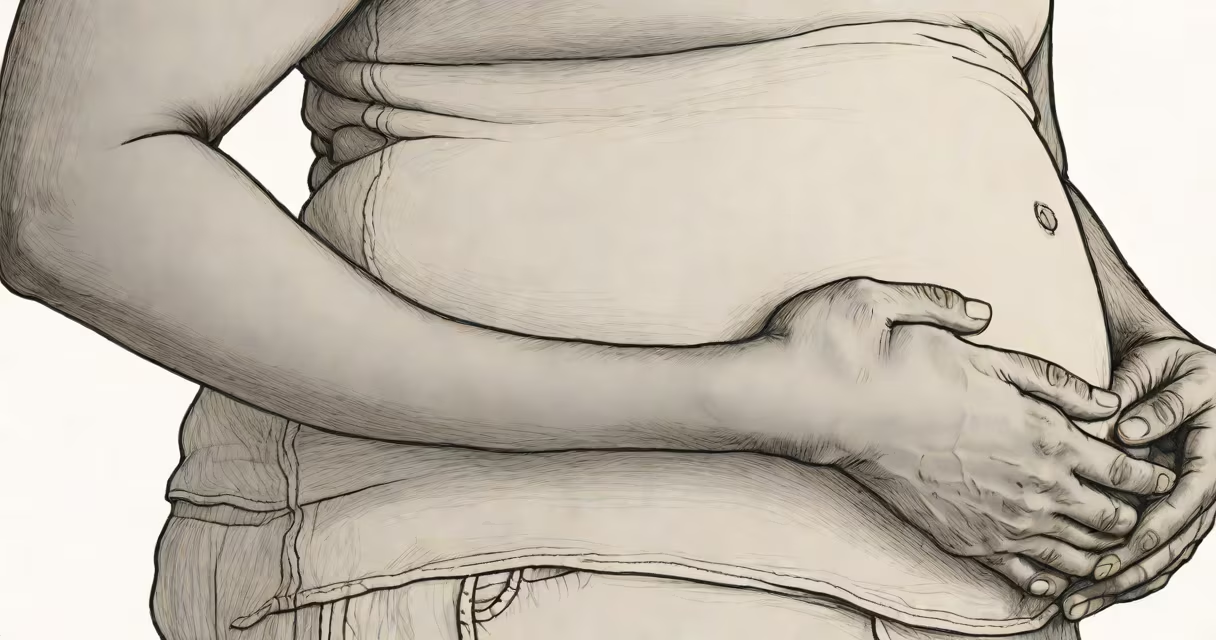
Indigestion or gastritis refers to discomfort in the upper abdomen caused by irritation or inflammation of the stomach lining, often triggered by diet, stress, or infections. While indigestion is a symptom cluster-bloating, heartburn, nausea-gastritis is a medical condition involving actual inflammation of the gastric mucosa. The two frequently overlap, but they differ in cause, duration, and treatment.
Gastritis occurs when the protective mucus layer in the stomach weakens, allowing gastric acid to damage the underlying tissue. This leads to swelling, bleeding, or ulceration in the stomach lining. Indigestion, by contrast, is a functional issue-discomfort without structural damage. It's common after large meals, alcohol, or spicy foods. People often use "indigestion" casually, but medically, it's distinct from gastritis.
The American Gastroenterological Association notes that chronic gastritis affects about 10% of adults in the U.S., often due to *Helicobacter pylori* infection or long-term NSAID use. Indigestion, while more frequent, rarely causes lasting harm unless it becomes recurrent or severe. Distinguishing between them guides treatment and prevents unnecessary testing.
The stomach lining produces mucus and bicarbonate to neutralize acid and protect cells. When this barrier fails-due to *H. pylori*, excessive alcohol, or daily ibuprofen-the acid erodes the tissue. This triggers immune responses, causing redness, swelling, and pain. Symptoms may include dull or sharp upper abdominal pain, early satiety, nausea, and sometimes vomiting blood or black stools (indicating bleeding).
Indigestion results from delayed gastric emptying, overeating, or acid reflux into the esophagus. It doesn't involve visible inflammation. Instead, it stems from mechanical or chemical irritation. For example, eating 12 tacos in one sitting overwhelms the stomach's ability to process food, leading to bloating and pressure. The discomfort resolves within hours, unlike gastritis, which can persist for days.
A 2021 study in *Gut* found that 68% of patients with persistent upper abdominal pain had histologically confirmed gastritis, even when initial tests suggested only functional dyspepsia. This shows that many cases labeled "indigestion" actually involve underlying inflammation missed without endoscopy.
There are two main forms of gastritis: acute and chronic. Acute gastritis develops suddenly, often after alcohol bingeing or high-dose NSAIDs. Chronic gastritis lasts weeks to months and is usually linked to *H. pylori*, autoimmune conditions, or long-term irritants. Indigestion has no formal subtypes but varies by trigger: fatty foods, carbonated drinks, caffeine, or anxiety.
| Type | Common Causes | Duration | Diagnostic Test |
|---|---|---|---|
| Acute gastritis | Alcohol, NSAIDs, stress | Hours to days | Endoscopy, biopsy |
| Chronic gastritis | *H. pylori*, autoimmune, bile reflux | Weeks to years | Stool antigen test, breath test |
| Functional indigestion | Overeating, anxiety, fatty meals | Episodic, minutes to hours | Exclusion diagnosis |
Nonsteroidal anti-inflammatory drugs (NSAIDs) like aspirin and ibuprofen are responsible for nearly 30% of acute gastritis cases in adults under 60, according to the National Institute of Diabetes and Digestive and Kidney Diseases (NIDDK). These drugs inhibit COX enzymes, reducing protective prostaglandins in the stomach lining. Even occasional use can trigger symptoms.
Beans are a common dietary trigger for indigestion due to raffinose, a complex sugar that ferments in the colon. But beans don't cause gastritis unless consumed in excess with other irritants. A 2019 clinical trial showed that participants who ate 1 cup of cooked pinto beans daily reported increased bloating and gas-but no rise in gastric inflammation markers. This confirms that beans affect digestion, not mucosal health.
Many people assume indigestion and gastritis are interchangeable. They're not. Indigestion is a symptom; gastritis is a disease. One can have gastritis without indigestion-especially in early stages-or indigestion without gastritis. The overlap confuses patients and clinicians alike.
Another misconception is that heartburn equals gastritis. Heartburn is acid reflux into the esophagus, not stomach inflammation. It's part of gastroesophageal reflux disease (GERD), not gastritis. However, both conditions can coexist. A patient with GERD may develop secondary gastritis from chronic acid exposure.
I once saw a patient who reported daily upper belly pain after eating. He'd been taking ibuprofen for knee pain. Endoscopy revealed erosive gastritis. After stopping the medication and starting proton-pump inhibitors, his pain resolved in five days. His original diagnosis was "indigestion." That label delayed proper treatment by six months.
See a doctor if symptoms last longer than two weeks, worsen over time, or include signs of bleeding: black stools, vomiting blood, or unexplained weight loss. These indicate potential ulcers or malignancy. Persistent nausea, especially with vomiting, also warrants evaluation.
For mild, intermittent indigestion, lifestyle changes help: eat smaller meals, avoid late-night eating, reduce alcohol, and manage stress. Over-the-counter antacids or H2 blockers offer short-term relief. But if symptoms recur monthly, consider testing for *H. pylori* or underlying conditions.
Indigestion or gastritis is not a single condition. It's a spectrum of digestive distress rooted in different mechanisms. Accurate diagnosis ensures effective treatment. Ignoring persistent symptoms risks complications like peptic ulcers, anemia from bleeding, or progression to atrophic gastritis-a precancerous state. Know the difference. Act early.