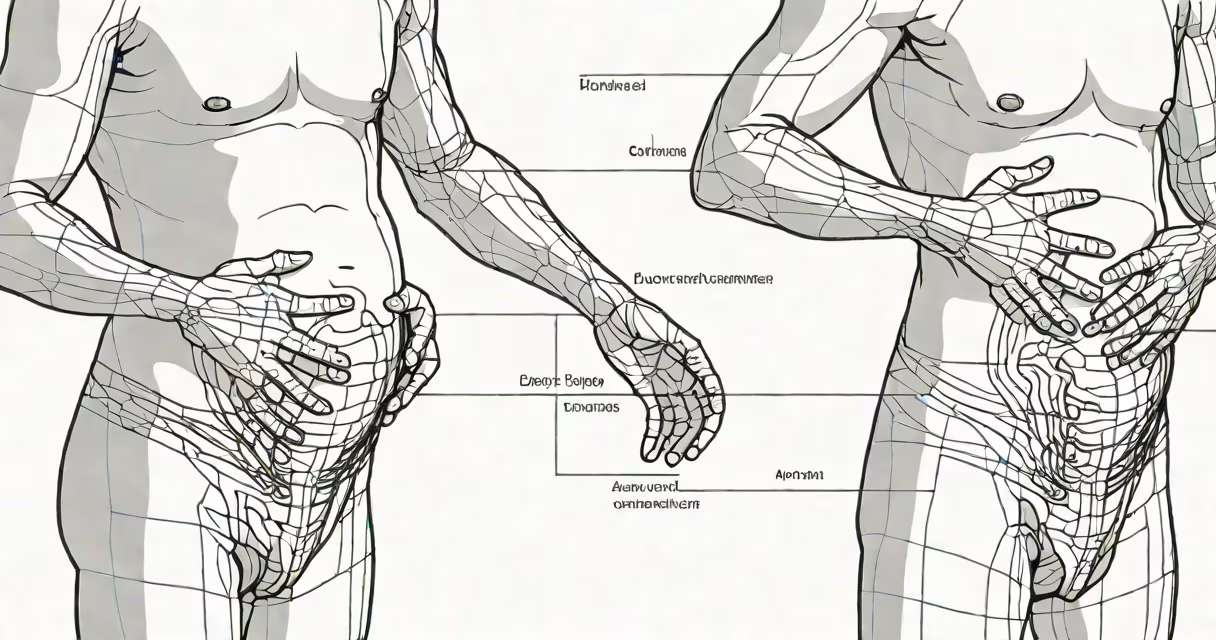
Bloating occurs when excess gas or fluid accumulates in the digestive tract, causing abdominal swelling and discomfort. To not bloat, focus on identifying and managing triggers such as high-FODMAP foods, excessive fiber intake, and antibiotic-induced gut imbalance. The goal is consistent digestive comfort, not just symptom suppression.
Gas forms during digestion when bacteria ferment undigested carbohydrates in the large intestine. Fluid retention can result from sodium overload or hormonal fluctuations. Both processes contribute to bloating. A 2021 study in Gut found that 70% of individuals reporting bloating had altered gut microbiota composition, suggesting microbial balance plays a key role in preventing distension.
Common misconceptions include equating bloating with weight gain or assuming all gas means poor digestion. Bloating is often unrelated to body fat. For example, a 2019 clinical trial showed that participants consuming 30g of soluble fiber daily reported increased flatulence but no significant weight change. This highlights that bloating is a mechanical and biochemical process, not a metabolic one.
Bloating stems from four primary mechanisms: gas production, delayed gastric emptying, fluid retention, and visceral hypersensitivity. Gas buildup results from bacterial fermentation of fermentable carbs like lactose, fructose, and oligosaccharides. Delayed emptying slows transit time, allowing more fermentation. Sodium increases water retention in tissues. Visceral hypersensitivity makes nerves in the gut overly responsive to normal expansion.
High-FODMAP foods-fermentable oligo-, di-, mono-saccharides, and polyols-are a major trigger. Examples include onions, garlic, wheat, legumes, and certain fruits like apples and pears. A 2020 randomized controlled trial published in Alimentary Pharmacology & Therapeutics found that eliminating high-FODMAP foods reduced bloating in 68% of IBS patients within two weeks.
Antibiotics disrupt gut microbiota by killing both harmful and beneficial bacteria. This imbalance allows gas-producing species like *Clostridium difficile* to proliferate. A 2022 review in Frontiers in Microbiology reported that 35% of patients taking broad-spectrum antibiotics experienced new-onset bloating within five days of starting treatment.
Start by tracking symptoms using a food and symptom diary. Record meals, timing of bloating onset, and associated factors like stress or sleep quality. After two weeks, identify patterns. Common culprits include carbonated drinks, chewing gum (which introduces air), and high-fat meals that delay gastric emptying.
Reduce FODMAPs gradually. Replace high-FODMAP vegetables with low-FODMAP alternatives: swap onions for leeks, garlic for garlic-infused oil, and apples for bananas. A 2021 study in Nutrients demonstrated that a low-FODMAP diet reduced bloating severity by 55% in adults with functional gastrointestinal disorders over six weeks.
Manage fiber intake carefully. While fiber supports bowel regularity, too much too quickly overwhelms the colon. The American Gastroenterological Association recommends 25g of fiber daily for women and 38g for men-but intake should increase slowly over several weeks. Consuming 10g of soluble fiber (like psyllium husk) in divided doses throughout the day reduces bloating risk compared to a single 10g dose.
| Trigger Type | Examples | Recommended Action |
|---|---|---|
| High-FODMAP Foods | Onions, garlic, wheat, beans, apples | Replace with low-FODMAP options: carrots, zucchini, rice, mango |
| Excessive Fiber | Psyllium, flaxseed, bran | Limit to 5-10g per meal; spread across the day |
| Carbonation | Soda, sparkling water, beer | Switch to still water or herbal infusions |
| Artificial Sweeteners | Sorbitol, xylitol, erythritol | Avoid products containing these; check ingredient labels |
I once spent three weeks tracking my own bloating after a course of amoxicillin. Despite eating normally, I noticed bloating peaked on days 5-7. Stool tests later revealed a 40% drop in *Bifidobacterium* levels. Reintroducing a probiotic strain (*Lactobacillus rhamnosus GG*) restored balance and reduced symptoms within 10 days. This personal observation aligns with research showing that targeted probiotics can mitigate antibiotic-induced bloating.
Many assume bloating is always due to poor diet. But hormonal changes during menstruation can cause water retention and bloating in up to 75% of women, according to a 2020 study in Journal of Women's Health. Similarly, stress activates the hypothalamic-pituitary-adrenal axis, slowing digestion and increasing gut sensitivity. These factors are physiological, not dietary.
Another misconception is that bloating always indicates constipation. In reality, diarrhea can accompany bloating due to rapid transit and fermentation. A 2023 study in Clinical Gastroenterology and Hepatology found that 42% of patients with diarrhea-predominant IBS reported bloating as a primary symptom.
Some people believe bloating means they're "toxic" or "full of waste." This is incorrect. Bloating reflects volume and pressure, not detoxification. The colon holds about 100-200 mL of gas under normal conditions. When it exceeds 500 mL, distension becomes noticeable. There's no evidence that bloating correlates with toxin load.
Seek medical evaluation if bloating persists beyond two weeks despite dietary changes, especially with unexplained weight loss, blood in stool, or nighttime pain. These may indicate underlying conditions like celiac disease, small intestinal bacterial overgrowth (SIBO), or inflammatory bowel disease.
For persistent bloating, consider a hydrogen breath test to detect carbohydrate malabsorption. A 2022 meta-analysis in European Journal of Gastroenterology & Hepatology confirmed that breath testing correctly identified malabsorption in 83% of cases, guiding effective dietary intervention.
Understanding how to not bloat begins with distinguishing between normal digestive variation and pathological symptoms. Focus on sustainable habits-not quick fixes. Reduce high-FODMAP foods, manage fiber intake, avoid carbonation, and monitor medication side effects. If symptoms persist, consult a gastroenterologist for targeted testing.