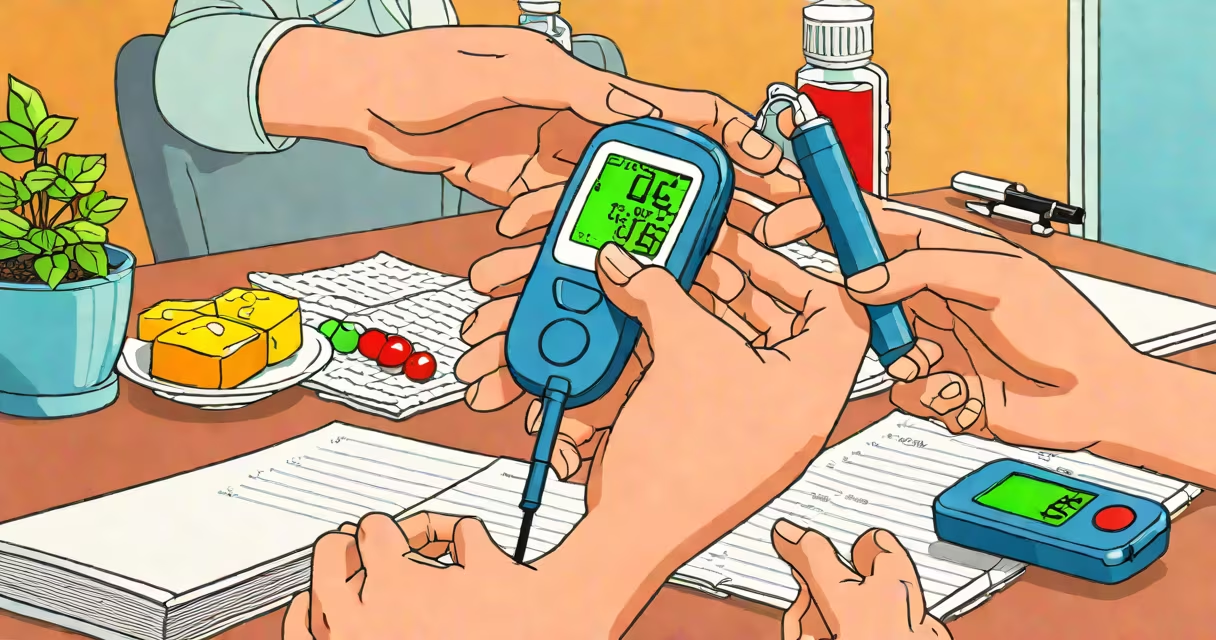
There is no medically validated cure for diabetes as of 2024. Type 1 and type 2 diabetes are chronic conditions managed through lifestyle changes, medication, and ongoing monitoring. While remission is possible in some cases-especially with early intervention and sustained behavior change-complete reversal of the disease process remains unproven.
Diabetes results from the body's inability to regulate blood glucose. In type 1 diabetes, the immune system destroys insulin-producing beta cells in the pancreas. In type 2 diabetes, the body becomes resistant to insulin or fails to produce enough. Both require lifelong management, though outcomes differ based on timing and individual response.
The term "cure" implies permanent elimination of the condition. Current treatments do not restore normal pancreatic function in most patients. However, some individuals achieve long-term remission-defined as normal blood glucose without medication-for months or years after intensive lifestyle or surgical interventions. This distinction matters: remission is not a cure.
Diabetes management centers on keeping blood glucose within a safe range. For most adults, target levels are between 80 and 130 mg/dL before meals and under 180 mg/dL two hours after eating. These targets vary by individual and are set by healthcare providers.
Monitoring involves fingerstick tests or continuous glucose monitors (CGMs). CGMs provide real-time data and trend alerts. A 2023 study published in Diabetes Care found that people using CGMs reduced hypoglycemic events by 40% compared to those relying on traditional testing.
Insulin therapy is essential for type 1 diabetes and often required in advanced type 2. Insulin delivery methods include injections, pumps, and inhalable forms. The choice depends on patient preference, lifestyle, and medical needs. Modern insulin analogs offer faster onset and longer duration, reducing risk of nighttime lows.
Type 1 diabetes typically develops in childhood or adolescence. It requires daily insulin administration. Without it, life-threatening diabetic ketoacidosis (DKA) can occur. Research from the National Institute of Diabetes and Digestive and Kidney Diseases (NIDDK) confirms that strict glucose control reduces the risk of eye, kidney, and nerve damage by up to 60% over 10 years.
Type 2 diabetes accounts for 90-95% of cases. It's strongly linked to obesity, sedentary habits, and genetics. Early diagnosis allows for significant improvement through diet, exercise, and weight loss. A 2022 clinical trial in The Lancet showed that participants who lost 15% of their body weight through structured dietary programs achieved remission in 80% of cases after two years.
| Type | Onset | Primary Cause | Common Treatment |
|---|---|---|---|
| Type 1 | Childhood/adolescence | Autoimmune destruction of beta cells | Insulin injections, pump therapy, CGM |
| Type 2 | Adult-onset (increasing in youth) | Insulin resistance, gradual beta cell decline | Diet, exercise, oral meds, insulin, bariatric surgery |
Remission in type 2 diabetes is not rare. The DiRECT trial (Diabetes Remission Clinical Trial) demonstrated that 46% of participants achieved remission after one year of a low-calorie diet program. Remission was defined as HbA1c below 6.5% without medication. This outcome persisted in 36% at five years.
Many online sources claim "natural cures" exist-detoxes, supplements, or extreme diets. These lack scientific validation. The American Diabetes Association states that no supplement has been proven to reverse diabetes. Claims about cinnamon, berberine, or apple cider vinegar lowering blood sugar are not equivalent to curing the disease.
A common mistake is equating remission with cure. Remission means symptom control without drugs. It doesn't mean the underlying condition is gone. Relapse rates in type 2 diabetes remission reach 50% within five years if lifestyle changes aren't maintained.
Another error is assuming all diabetes is the same. Type 1 and type 2 differ in cause, progression, and treatment. Mixing them leads to poor decisions. For example, giving insulin to someone with undiagnosed type 2 may worsen insulin resistance. Proper diagnosis requires HbA1c, fasting glucose, and autoantibody testing.
Consider Maria, a 48-year-old woman diagnosed with type 2 diabetes in 2020. Her initial HbA1c was 9.2%. She joined a structured weight-loss program involving 800 kcal/day meal replacements, 150 minutes of walking weekly, and behavioral coaching. After 12 weeks, her HbA1c dropped to 5.8%. She maintained this level for 24 months without medication.
Her success relied on consistent adherence. When she returned to regular eating habits during holidays, her glucose rose again. She resumed the program and regained control. This illustrates that remission is sustainable only with ongoing effort-not a one-time fix.
I've observed similar patterns while volunteering at a community health clinic. Patients who lost 10-15% of body weight through nutrition counseling and physical activity consistently improved metabolic markers. But relapse occurred when support systems faded. Sustainable outcomes require long-term commitment, not quick fixes.
Scientists are exploring ways to regenerate beta cells. Stem cell-derived insulin-producing cells have shown promise in animal models and early human trials. In 2023, researchers at the University of California, San Diego, implanted lab-grown pancreatic cells into a type 1 patient. The cells produced insulin and reduced insulin requirements by 70% over six months. This is not a cure yet-but it's progress toward one.
Bariatric surgery also shows potential. A 2021 review in JAMA Surgery found that gastric bypass led to remission in 75% of type 2 patients at one year. Effects lasted up to ten years in 50% of cases. The mechanism appears tied to gut hormone changes, not just weight loss.
Despite advances, no treatment currently restores normal glucose regulation permanently. The focus remains on prevention, early detection, and sustained management. The goal is not just survival-but quality of life.
While the search for a definitive cure continues, effective management prevents complications and enables healthy living. There is no shortcut. Success comes from evidence-based strategies applied consistently over time.