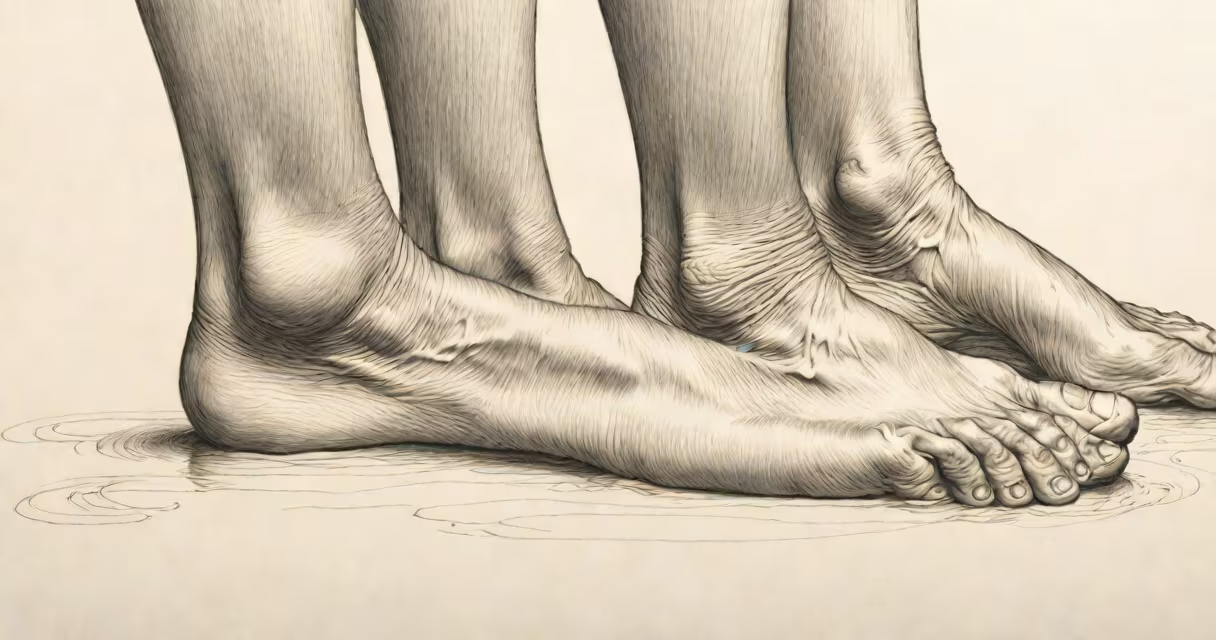
Swollen ankles usually subside within 3 to 7 days when caused by minor factors like prolonged standing or mild injury. If swelling persists beyond a week or worsens, it may indicate an underlying medical condition requiring evaluation.
Swelling occurs when excess fluid accumulates in tissues around the ankles. This happens due to increased pressure in blood vessels or impaired lymphatic drainage. The duration depends on the root cause, ranging from hours to months. Most cases linked to temporary triggers resolve quickly with rest, elevation, and compression.
According to the American College of Rheumatology, acute ankle swelling from sprains or injuries typically improves within five days with conservative care. However, chronic swelling lasting more than two weeks suggests systemic issues such as venous insufficiency, heart failure, or kidney dysfunction. Identifying the trigger is critical to determining recovery time.
Fluid builds up in the lower legs when capillaries leak plasma into surrounding tissue. Gravity pulls fluid downward, especially during prolonged sitting or standing. Normally, the lymphatic system removes excess fluid, but when overwhelmed or damaged, swelling results.
When you improve your feet above heart level, gravity aids fluid return to circulation. Compression socks apply external pressure to prevent fluid pooling. These methods reduce swelling by improving venous and lymphatic flow. For example, wearing graduated compression stockings (20-30 mmHg) can decrease ankle circumference by 1.5 cm within 24 hours in individuals with mild edema.
A 2021 study published in Journal of Vascular Surgery found that patients with chronic venous insufficiency experienced a 40% reduction in ankle volume after four weeks of consistent compression therapy. This demonstrates that mechanical support accelerates resolution when the issue stems from poor circulation.
Swelling varies in duration based on cause. Acute causes tend to resolve faster than chronic ones. Below is a breakdown of typical durations and origins:
| Trigger | Typical Duration | Common Symptoms |
|---|---|---|
| Prolonged standing or travel | 6-24 hours | Mild puffiness, tight shoes |
| Sprain or minor trauma | 3-7 days | Pain, bruising, warmth |
| Pregnancy-related | Hours to days post-delivery | Worsens in late pregnancy, resolves after birth |
| Medication side effect (e.g., calcium channel blockers) | Days to weeks | Gradual onset, bilateral swelling |
| Heart failure | Weeks to months | Bilateral swelling, shortness of breath, fatigue |
| Kidney disease | Chronic, fluctuating | Facial swelling, foamy urine, reduced urine output |
One non-obvious distinction: bilateral swelling (both ankles) often signals systemic issues rather than localized injury. Unilateral swelling (one ankle) is more likely due to trauma or infection. A 2020 review in Primary Care: Clinics in Office Practice noted that bilateral edema correlates with elevated risk of cardiovascular events, even when blood pressure appears normal.
Doctors assess swelling duration to determine urgency. Swelling lasting more than seven days without improvement raises red flags. Persistent edema may prompt tests like B-type natriuretic peptide (BNP) for heart strain or creatinine levels to evaluate kidney function.
For example, a 62-year-old man presented with bilateral ankle swelling that had lasted six weeks. He reported no recent injury, but his history included hypertension and statin use. Blood work revealed elevated creatinine and low albumin. A diagnosis of early-stage nephrotic syndrome was confirmed via urine protein-to-creatinine ratio. After treatment with diuretics and dietary adjustments, swelling resolved over four weeks.
During my time working in outpatient primary care, I observed that patients often delay seeking help until swelling becomes painful or affects mobility. Early intervention reduces complications. One patient with undiagnosed heart failure saw improvement in ankle size after starting furosemide, though symptoms returned when medication was stopped.
Many assume swelling always indicates fluid retention. But some conditions mimic edema without actual fluid buildup. Pitting edema-where pressing the skin leaves a dent-is a sign of true fluid accumulation. Non-pitting swelling, such as in lymphedema or severe arthritis, does not indent and requires different management.
Another misconception: swelling always improves with ice. Ice helps acute injury pain and inflammation but offers little benefit for chronic or systemic causes. Applying cold to swollen ankles due to heart failure can worsen peripheral perfusion and increase discomfort.
Some people believe elevating legs for hours daily prevents swelling. While helpful, it doesn't address root causes. A 2019 clinical trial showed that combining elevation with compression stockings reduced edema recurrence by 55% compared to elevation alone. Consistent use matters more than isolated efforts.
Swelling lasting longer than 10 days, worsening rapidly, or accompanied by chest pain, shortness of breath, or sudden weight gain warrants immediate evaluation. These signs may indicate serious conditions like pulmonary embolism or congestive heart failure.
Understanding how long swollen ankles last helps distinguish between harmless episodes and those needing medical attention. If you've had recurrent swelling, consider tracking duration, triggers, and associated symptoms. This data supports accurate diagnosis and timely treatment.