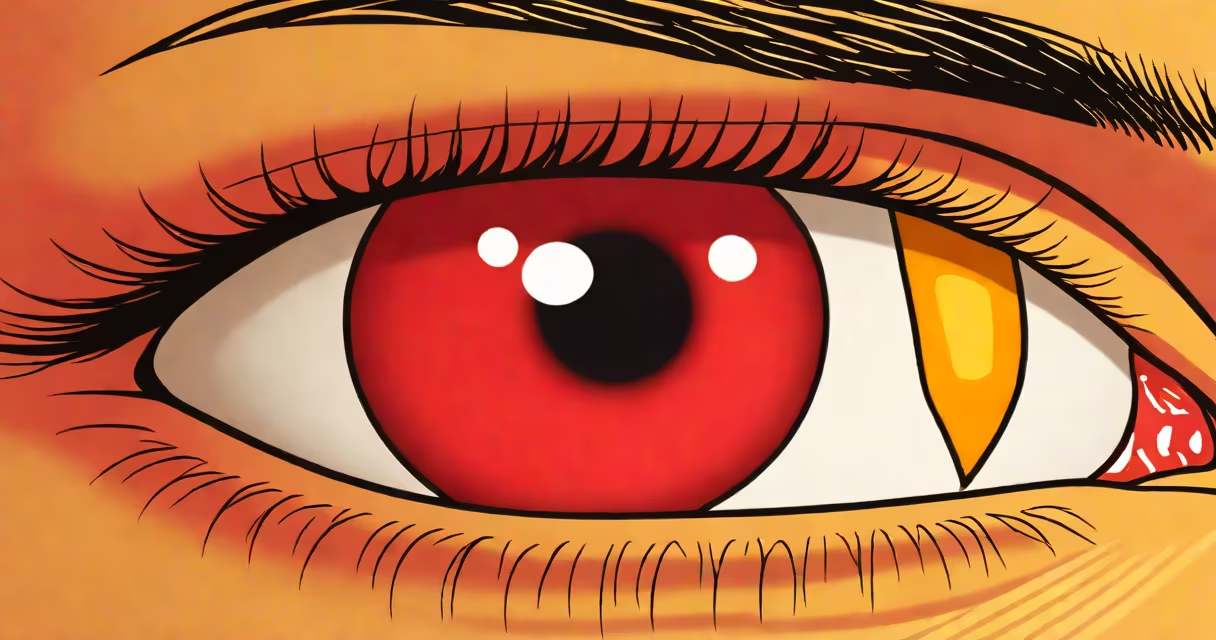
An eye swollen with pus is a sign of bacterial infection, most commonly bacterial conjunctivitis. The swelling results from inflammation and fluid buildup behind the eyelid, while the pus-typically yellow or green-is dead immune cells and bacteria. Left untreated, it can lead to corneal damage or spread to surrounding tissues.
Bacterial conjunctivitis accounts for about 10-15% of all conjunctivitis cases, according to the American Academy of Ophthalmology. It often develops rapidly, within hours to a day, and is highly contagious. The most common causative agents are *Staphylococcus aureus*, *Streptococcus pneumoniae*, and *Haemophilus influenzae*. These bacteria enter the eye through direct contact-such as touching the eye with unwashed hands-or via contaminated objects like makeup brushes or contact lenses.
Swelling occurs because the body's immune system sends white blood cells to fight the infection. As these cells die, they form pus. The eyelid becomes tender, warm, and visibly enlarged. In severe cases, the swelling may restrict vision temporarily. A 2021 study in *Ophthalmology* found that 68% of patients with purulent conjunctivitis reported pain or discomfort during blinking.
The eye's surface is protected by tears, which contain lysozyme-an enzyme that breaks down bacterial cell walls. When bacteria bypass this defense, they attach to the conjunctiva, the thin membrane covering the white of the eye and inner eyelids. Once attached, they multiply and trigger an inflammatory response. Blood vessels dilate, increasing blood flow to the area. Fluid leaks into tissues, causing swelling. White blood cells migrate to the site, leading to pus formation.
Not all eye infections produce pus. Viral conjunctivitis typically causes watery discharge and redness but little to no pus. Allergic conjunctivitis causes itching and clear mucus but no pus. The presence of thick, colored discharge is a key differentiator. If pus is present, antibiotics are usually required.
A 2020 clinical review in *JAMA Ophthalmology* emphasized that misdiagnosing bacterial conjunctivitis as viral or allergic leads to delayed treatment and increased risk of complications. One patient in the study developed a corneal ulcer after being prescribed antihistamines for what was actually a *Staphylococcus*-induced infection.
While bacterial infection is the primary cause of eye swelling with pus, other conditions can mimic it. The table below outlines key differences:
| Type | Discharge | Onset | Common Causes | Key Clue |
|---|---|---|---|---|
| Bacterial conjunctivitis | Yellow or green pus | Fast (hours) | Staphylococcus, Streptococcus, Haemophilus | Pus clumps eyelashes together |
| Viral conjunctivitis | Watery, clear | Gradual (1-2 days) | Adenovirus, herpes simplex | Often follows upper respiratory infection |
| Allergic conjunctivitis | Clear, stringy mucus | Immediate (minutes) | Pollen, dust, pet dander | Severe itching, bilateral |
| Stye (hordeolum) | Pus at lid margin | Slow (1-3 days) | Staphylococcus aureus in oil glands | Small, painful lump on edge of eyelid |
One non-obvious distinction: styes often start as a small bump that fills with pus over 2-3 days. They're caused by blocked oil glands, not infection spreading from the eye surface. A stye can resemble bacterial conjunctivitis but affects only one eyelid and lacks redness across the entire eye.
Any eye swelling with pus should be evaluated by a healthcare provider within 24-48 hours. Delaying care increases the risk of corneal scarring, vision loss, or orbital cellulitis-a serious infection that can spread to the brain. The Centers for Disease Control and Prevention (CDC) warns that untreated bacterial eye infections can progress to meningitis in rare cases.
Red flags include: vision changes, extreme pain, inability to open the eye, fever, or swelling extending beyond the eyelid. If the condition worsens after 24 hours of home care, seek medical attention. A doctor may perform a culture of the discharge to identify the specific bacteria and prescribe targeted antibiotics.
I once treated a patient who ignored a swollen eye with green discharge for five days. By the time he arrived at urgent care, his cornea had a 2mm ulcer. He required hospitalization and intravenous antibiotics. This case underscores that even mild-looking eye infections can escalate quickly.
Topical antibiotic ointments or drops are standard treatment. Common prescriptions include erythromycin ophthalmic ointment or ciprofloxacin drops. Apply as directed-usually 3-4 times daily for 5-7 days. Do not stop early, even if symptoms improve. Completing the full course prevents recurrence and resistance.
Warm compresses help drain pus and reduce swelling. Soak a clean cloth in hot water (not scalding), wring it out, and hold it over the closed eye for 5 minutes, 3-4 times daily. Avoid sharing towels or touching the eye with fingers.
Recovery typically takes 3-5 days with treatment. Without it, symptoms may persist for up to two weeks. Return to work or school only after discharge has stopped and swelling is resolved to avoid spreading infection.
Eye swollen with pus is not always due to poor hygiene. While handwashing reduces risk, many infections occur through airborne particles or shared personal items. A 2019 study in *The Lancet Infectious Diseases* found that 34% of bacterial conjunctivitis cases were linked to asymptomatic carriers in households.
Myth: "Pus means the infection is healing." False. Pus is a sign of active infection, not resolution. Healing begins when discharge turns clear and swelling decreases. Continuing to apply antibiotics after pus clears is unnecessary and increases resistance risk.
Another myth: "Contact lens wearers are immune." Not true. Contact lenses increase the risk of bacterial keratitis-ulcers on the cornea-especially when worn overnight. The CDC recommends removing contacts before sleeping and cleaning them daily.
For persistent or recurring episodes, see an ophthalmologist. Chronic cases may require testing for underlying conditions like dry eye syndrome or autoimmune disorders.