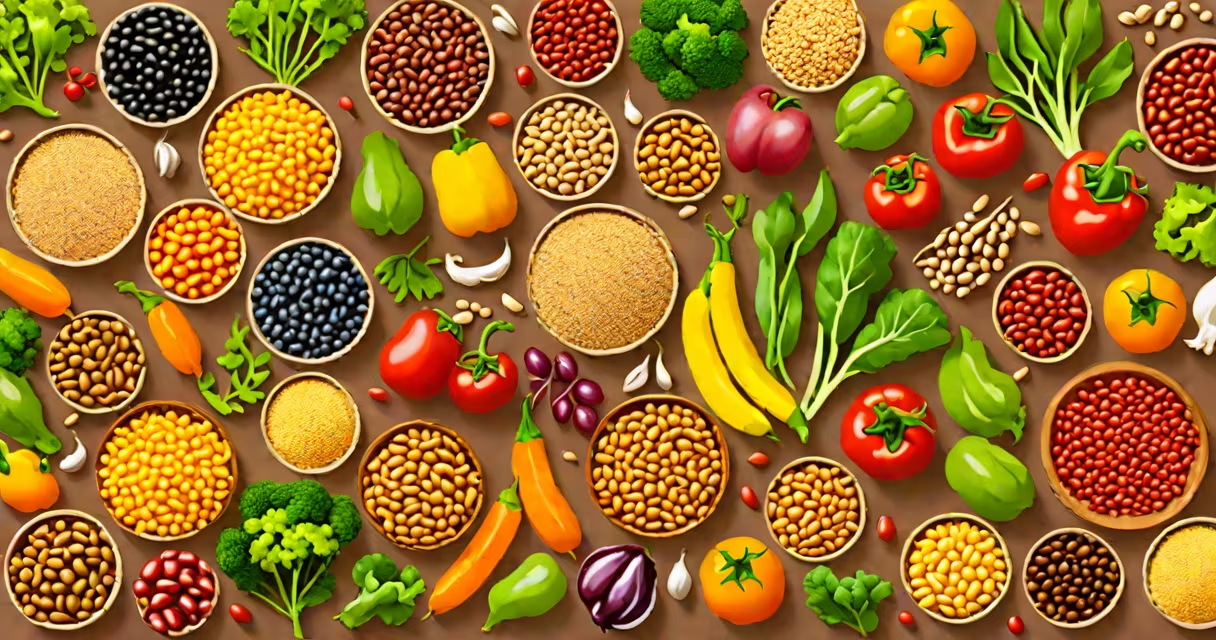
Fiber helps digestion by increasing stool bulk, promoting regular bowel movements, and supporting a healthy gut microbiome. It's a key component of plant-based foods and essential for preventing constipation and reducing colon cancer risk.
Dietary fiber consists of indigestible carbohydrates that pass through the small intestine unchanged and ferment in the large intestine. There are two primary types: soluble and insoluble. Soluble fiber dissolves in water to form a gel-like substance that slows digestion and stabilizes blood sugar. Insoluble fiber adds bulk to stool and speeds transit time through the colon.
The American Society for Gastrointestinal Endoscopy recommends 25 grams of fiber daily for women and 38 grams for men. Most Americans consume only 15 grams per day, falling short of recommended intake. Low fiber intake correlates with higher rates of diverticulosis, hemorrhoids, and irritable bowel syndrome.
Soluble fiber binds water in the colon, softening stool and making it easier to pass. This reduces straining during bowel movements and lowers the risk of developing hemorrhoids. Foods rich in soluble fiber include oats, barley, apples, and legumes.
Insoluble fiber acts like a broom, sweeping waste through the digestive tract. It increases stool frequency and reduces transit time. Whole wheat, bran, nuts, and many vegetables contain high levels of insoluble fiber.
A 2021 study published in Gut found that individuals consuming 30 grams of fiber daily had lower levels of inflammatory markers linked to colorectal cancer. The study tracked over 100,000 participants and concluded that fiber intake was inversely related to cancer incidence.
Not all fiber behaves the same way. The following table outlines key differences between major fiber types and their effects on digestion.
| Fiber Type | Primary Source Foods | Effect on Digestion | Health Benefit |
|---|---|---|---|
| Psyllium husk (soluble) | Plantago ovata seeds | Forms gel, slows gastric emptying | Reduces diarrhea and improves constipation |
| Cellulose (insoluble) | Vegetable skins, whole grains | Increases stool weight and frequency | Prevents constipation and supports colonic motility |
| Pectin (soluble) | Apples, citrus fruits | Delays nutrient absorption | Helps regulate blood glucose and cholesterol |
| Lignin (insoluble) | Flaxseeds, whole wheat bran | Stimulates intestinal contractions | May reduce risk of colorectal adenomas |
One common misconception is that all fiber causes bloating. While sudden increases in intake can lead to gas and discomfort, gradual introduction allows the gut microbiome to adapt. A 2019 trial in European Journal of Clinical Nutrition showed that participants who increased fiber slowly over four weeks reported fewer gastrointestinal symptoms than those who jumped to 40 grams per day immediately.
Many people assume fiber supplements replace whole food sources. This is incorrect. Whole foods provide fiber alongside vitamins, minerals, and phytonutrients that work synergistically. For example, eating an apple delivers both soluble and insoluble fiber, along with quercetin and vitamin C.
Another mistake is equating fiber with laxatives. Fiber is not a stimulant. It doesn't force bowel movements. Instead, it creates conditions where natural peristalsis functions more efficiently. Unlike senna or bisacodyl, fiber does not cause dependency or electrolyte imbalance.
I once observed a patient with chronic constipation improve after switching from processed cereals to steel-cut oats and chia seeds. Over six weeks, bowel movement frequency rose from once every three days to once daily. Stool consistency improved from hard lumps (Bristol Stool Scale Type 1) to soft, formed stools (Type 4).
Start with 10-15 grams of fiber per day and increase by 5 grams weekly until reaching the recommended amount. Drinking 8-10 cups of water daily helps prevent bloating and ensures fiber moves smoothly through the digestive tract.
Include different fiber-rich foods throughout the day. A sample day might include:
For context, a single serving of black beans contains 15 grams of fiber. That's more than half the daily goal for women. Pairing beans with rice enhances protein quality while maintaining high fiber content.
When choosing supplements, look for products containing both soluble and insoluble fiber. Psyllium husk is well-studied and effective for managing constipation and diarrhea. A daily dose of 5-10 grams mixed in water or juice has been shown to improve stool frequency and consistency in clinical trials.
Some people confuse fiber with probiotics. While both support gut health, they operate differently. Probiotics introduce live bacteria, whereas fiber serves as prebiotic fuel for existing gut microbes. A high-fiber diet promotes the growth of beneficial species like Bifidobacterium and Lactobacillus.
Fiber is not a quick fix. Its benefits accumulate over weeks. Consistent intake leads to stronger colonic muscles, reduced inflammation, and better nutrient extraction. The long-term impact includes lower risks of diverticular disease, metabolic syndrome, and certain cancers.
Yes, fiber helps digestion. It regulates bowel habits, nourishes gut microbes, and protects the intestinal lining. Prioritize whole plant foods and hydrate consistently to maximize benefits. The evidence from multiple clinical studies confirms that adequate fiber intake is foundational to digestive wellness.