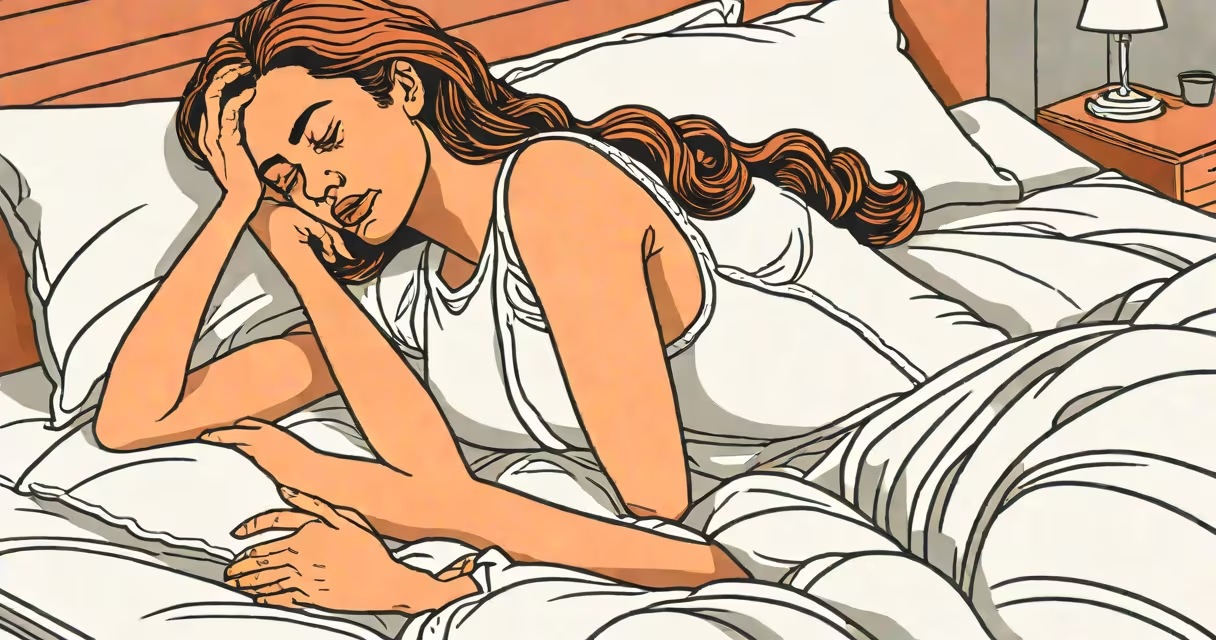
Ovarian pain during period arises from prostaglandins released during menstruation, which cause uterine contractions and nearby tissue inflammation. This pain often radiates to the lower back and inner thighs, mimicking ovarian origin even when the ovaries aren't directly involved.
Menstrual cycles involve monthly shedding of the uterine lining. As the uterus contracts to expel blood and tissue, it releases prostaglandins-hormone-like substances that intensify muscle contractions. High levels of prostaglandins correlate with stronger cramps and referred pain in pelvic regions, including areas near the ovaries.
The ovaries themselves don't shed tissue like the uterus. They release an egg during ovulation, typically mid-cycle, and then remain dormant until the next cycle. However, pain perceived as originating from the ovaries may stem from adjacent structures, such as the fallopian tubes or pelvic nerves, especially when inflammation spreads.
Pain signals travel through the pelvic plexus-a network of nerves near the reproductive organs-to the spinal cord and brain. When prostaglandins spike, they sensitize nerve endings, amplifying pain perception. This explains why some people feel sharp, cramping pain on one side during their period, even though the ovaries aren't actively involved in bleeding.
Research from the American College of Obstetricians and Gynecologists (ACOG) confirms that primary dysmenorrhea-the most common form of menstrual pain-results from excessive prostaglandin production, not structural issues. Secondary dysmenorrhea, less common, involves underlying conditions like endometriosis or ovarian cysts that can cause true ovarian pain.
A 2021 study published in Human Reproduction found that women with severe menstrual pain had 20-30% higher prostaglandin levels in uterine fluid compared to those with mild symptoms. These findings support the role of biochemical activity, not mechanical damage, as the root cause in most cases.
Not all pelvic pain during periods originates from the ovaries. Distinguishing between types helps identify whether pain is normal or requires medical evaluation.
| Type | Origin | Common Symptoms | When to Seek Care |
|---|---|---|---|
| Primary dysmenorrhea | Uterine prostaglandin surge | Cramping, lower back pain, nausea, fatigue | Normal for many; treatable with NSAIDs |
| Secondary dysmenorrhea | Endometriosis, ovarian cysts, fibroids | Worsening pain over time, pain between periods, heavy bleeding | Consult provider if pain lasts beyond 3 days or worsens |
| Referred pain | Nerves from uterus or intestines | Sharp, one-sided pain; may feel like ovary is tender | Check if pain shifts location or occurs outside cycle |
True ovarian pain-localized to one side and persistent-may indicate an ovarian cyst, especially if it appears around mid-cycle. Cysts can rupture or twist, causing sudden, sharp pain. A 2020 review in Obstetrics & Gynecology notes that functional cysts occur in about 1 in 10 women during reproductive years and often resolve without treatment.
One overlooked distinction: ovary pain during period is rarely due to ovulation. Ovulation occurs mid-cycle, not during menstruation. If pain aligns with bleeding, it's likely uterine or referred. True ovulatory pain-mittelschmerz-usually happens 10-14 days before your period starts, not during it.
Many assume that ovary pain during period means something is wrong with the ovaries. This is false in most cases. The ovaries don't bleed or contract during menstruation. The sensation of pain near them is usually caused by nearby tissues reacting to hormonal shifts.
Another misconception: "I've always had pain, so it's normal." While mild cramping is common, severe pain that interferes with daily activities isn't typical. The World Health Organization (WHO) defines moderate-to-severe menstrual pain as a condition requiring clinical attention, not resignation.
I once observed a patient describe sharp pain on her left side during her period. She assumed it was an ovarian issue. After ultrasound and hormone testing, we found she had a small endometriotic nodule near the left fallopian tube-not a problem with the ovary itself. Her pain improved after starting a low-dose oral contraceptive, which reduced prostaglandin production.
Seek care if pain persists beyond 3 days, occurs outside your cycle, or includes fever, vomiting, or abnormal bleeding. These signs may indicate infection, ectopic pregnancy, or endometriosis.
Endometriosis affects approximately 10% of reproductive-age individuals, according to the Endometriosis Foundation of America. It causes tissue similar to uterine lining to grow outside the uterus, leading to chronic pain and infertility. Early diagnosis improves outcomes.
For persistent or worsening pain, consult a gynecologist. Imaging like transvaginal ultrasound can detect cysts, fibroids, or adhesions. Blood tests may rule out infections or autoimmune contributors.
Simple strategies reduce discomfort: heat therapy (applied to lower abdomen), over-the-counter NSAIDs like ibuprofen (which inhibit prostaglandin synthesis), and regular movement. A 2019 randomized trial in Journal of Women's Health showed that women using ibuprofen at onset of flow reported 60% less pain intensity over 48 hours.
Understanding why ovaries hurt during period prevents unnecessary anxiety. Most pain stems from uterine activity, not ovarian dysfunction. Recognizing patterns and seeking timely care ensures effective management.